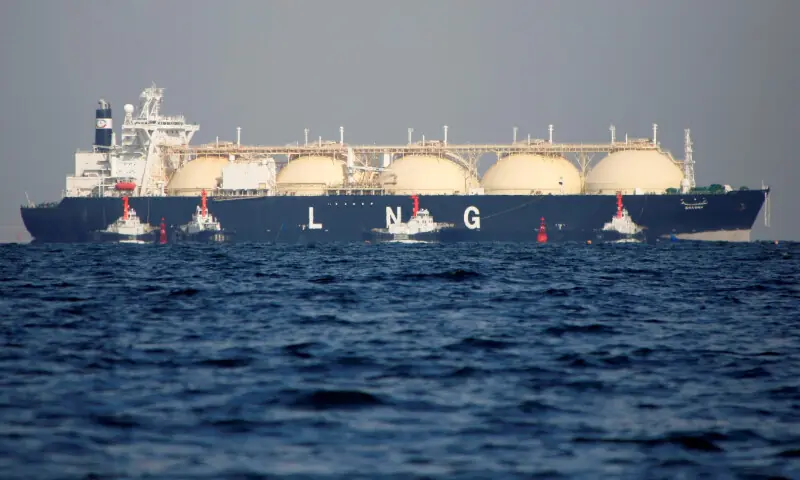
London, United Kingdom – Escalating tensions in the Middle East are raising serious concerns about global energy supplies, with Qatar’s Energy Minister, Saad al-Kaabi, warning that a wider conflict could halt oil exports from the Gulf region within weeks. The potential disruption, as outlined in an interview with the Financial Times on Friday, could send oil prices soaring to $150 a barrel and trigger significant economic repercussions worldwide. This comes as Qatar itself has already halted production of liquefied natural gas (LNG) due to ongoing attacks in the region.
Al-Kaabi’s stark assessment underscores the vulnerability of global energy markets to geopolitical instability. The Strait of Hormuz, a critical chokepoint for oil tankers, is at the heart of these concerns. Any disruption to shipping through this vital waterway could have a cascading effect on energy prices and global trade. The situation is particularly acute given the ongoing conflict and retaliatory strikes between Iran and other nations in the region, stemming from recent attacks. The potential for a broader regional war is now a central concern for energy markets and international policymakers.
Qatar Halts LNG Production Amidst Regional Conflict
Qatar’s decision to suspend LNG production on Monday, as reported by Dawn, is a direct consequence of the escalating conflict. Qatar Energy cited attacks on its operating facilities as the reason for the shutdown. This represents a significant development, as Qatar is a major player in the global LNG market, accounting for approximately 20% of global supply. The country’s LNG exports are crucial for meeting energy demand in both Asia and Europe, and the disruption will undoubtedly exacerbate existing supply concerns. The impact on European energy security, already strained by the war in Ukraine, is particularly noteworthy.
Force Majeure Looms for Gulf Exporters
Al-Kaabi anticipates that other Gulf energy producers will soon follow suit, invoking *force majeure* – a clause in contracts that excuses a party from fulfilling its obligations due to unforeseen circumstances. “Everybody who has not called for force majeure we expect will do so in the next few days if this continues. All exporters in the Gulf region will have to call a force majeure,” he told the Financial Times. This widespread invocation of *force majeure* would effectively shut down a substantial portion of global oil and gas exports, creating a severe supply shock. The potential for widespread economic disruption is substantial, impacting industries reliant on affordable energy, from manufacturing to transportation.
Economic Fallout: Global GDP at Risk
The economic consequences of a prolonged conflict and subsequent energy supply disruption are far-reaching. Al-Kaabi warned that continued hostilities for “a few weeks” would negatively impact global GDP growth. “If this war continues for a few weeks, GDP growth around the world will be impacted,” he stated. He further elaborated that higher energy prices would lead to shortages of various products and disrupt supply chains, causing a ripple effect across numerous industries. The potential for a global recession is a growing concern among economists, and analysts. The impact would likely be felt disproportionately by developing nations, which are more vulnerable to fluctuations in energy prices.
Oil Price Surge and Gas Market Volatility
The potential for a significant increase in oil prices is a central element of the current crisis. Al-Kaabi forecasts that crude oil prices could reach $150 a barrel within two to three weeks if the Strait of Hormuz becomes impassable. Reuters reports this prediction highlights the strategic importance of the Strait of Hormuz, through which a significant portion of the world’s oil supply transits. He anticipates a rise in gas prices to $40 per million British thermal units. These price increases would translate into higher costs for consumers and businesses alike, fueling inflation and potentially dampening economic activity. The volatility in energy markets is already evident, with prices fluctuating in response to geopolitical developments.
North Field Expansion Project Delayed
The conflict is also impacting long-term energy projects. QatarEnergy’s North Field expansion project, a massive undertaking aimed at increasing LNG production capacity, is facing delays. Al-Kaabi acknowledged that the war would inevitably postpone the project’s timeline. “It will delay all our expansion plans for sure,” he said. “If we come back in a week, perhaps the effect is minimal; if it’s a month or two, it is different.” The North Field expansion was slated to begin production in mid-2026, and any significant delay could have long-term implications for global LNG supply. This delay underscores the broader impact of the conflict on energy infrastructure and investment.
The Strait of Hormuz: A Critical Chokepoint
The Strait of Hormuz, located between Iran and Oman, is one of the world’s most strategically important waterways. According to the Times of Israel, it accounts for approximately 20% of global oil consumption. Any disruption to traffic through the Strait, whether due to military action or other factors, would have a severe impact on global energy markets. Iran has previously threatened to close the Strait in response to sanctions or military action against it, raising concerns about potential future disruptions. The narrowness of the Strait also makes it vulnerable to attacks, further exacerbating the risk.
Impact on Global Economies
The potential economic fallout extends beyond higher energy prices. Disruptions to supply chains, reduced consumer spending, and increased uncertainty could all contribute to a slowdown in global economic growth. Manufacturing industries, heavily reliant on energy and raw materials, are particularly vulnerable. The tourism sector could also suffer as travel becomes more expensive and uncertain. The International Monetary Fund (IMF) and the World Bank are closely monitoring the situation and assessing the potential economic impact. The longer the conflict persists, the more severe the economic consequences are likely to be.
Qatar’s LNG Role in Global Markets
Qatar plays a pivotal role in the global LNG market, particularly in supplying energy to Asia and Europe. Its LNG exports support to balance supply and demand, ensuring a stable energy supply for these key regions. The disruption to Qatar’s LNG production, coupled with potential disruptions from other Gulf exporters, could create a significant shortfall in global supply. This shortfall could lead to higher prices and increased competition for available LNG cargoes. European nations, already seeking to diversify their energy sources away from Russia, are particularly vulnerable to disruptions in LNG supply.
Even if the conflict were to de-escalate immediately, Al-Kaabi cautioned that it would take “weeks to months” for Qatar to restore normal delivery cycles. This highlights the logistical challenges involved in restarting LNG production and resuming exports. The situation remains highly fluid and dependent on the evolving geopolitical landscape. The international community is urging de-escalation and a diplomatic resolution to the conflict to mitigate the risk of further disruptions to global energy supplies.
The next key development to watch will be the response of other Gulf energy producers to the escalating conflict. Whether they follow Qatar’s lead and invoke *force majeure* will be a critical indicator of the severity of the situation. Continued monitoring of the Strait of Hormuz for any disruptions to shipping traffic is also essential. The coming weeks will be crucial in determining the extent of the impact on global energy markets and the broader global economy.
Do you reckon the international community is doing enough to de-escalate the situation? Share your thoughts in the comments below.
- Haddon Township Police Officer Will Not Face Charges in Knife-Wielding Man’s Shooting Death
- AI Bubble Fears Trigger Tech Sell-Off: Samsung and SK Hynix Stocks Plummet
- Iowa Generates More Electricity Than It Uses Through Wind Energy (archyde.com)
- Toronto Fire Chief Warns of E-Bike Dangers After Scarborough Battery Blast (archyworldys.com)