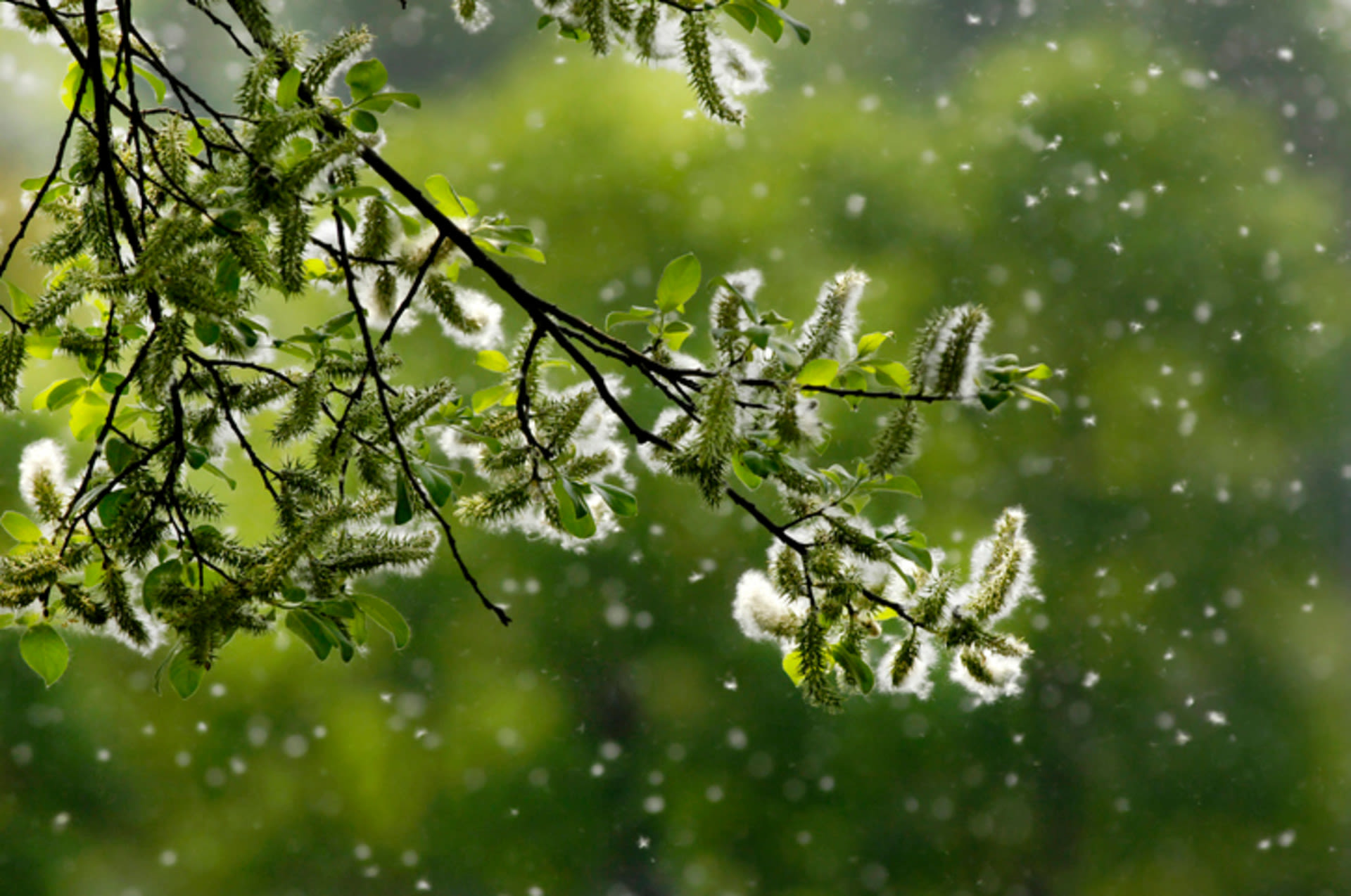
For residents of Quebec, the transition from winter to spring often brings a welcome warmth, but this year, that warmth may approach with a significant health caveat. A combination of a late start to spring followed by a rapid increase in temperatures is creating the ideal conditions for an intense allergy season, potentially leaving thousands of people struggling with respiratory distress and irritating symptoms.
The phenomenon is driven by the way vegetation responds to erratic temperature swings. When a period of cold is suddenly broken by a sharp rise in the mercury, plants can trigger a massive, synchronized release of pollen. For those suffering from seasonal allergies, this “pollen bomb” effect can lead to a more severe onset of symptoms than in years with a more gradual warming trend.
As a physician with over a decade of experience in internal medicine and public health, I have seen how environmental volatility directly impacts patient wellness. The current meteorological outlook for Quebec suggests that the risk is not merely theoretical. the atmospheric conditions are aligning to exacerbate the presence of airborne allergens across the province.
Understanding the relationship between weather patterns and pollen counts is essential for those managing chronic allergic rhinitis. By monitoring the specific triggers and timing of the season, patients can better coordinate their treatments and preventative measures to mitigate the impact on their daily quality of life.
The Meteorological Trigger: Why This Season Differs
The intensity of an allergy season is often dictated by the timing of the spring thaw. According to reports on the current climate trends in the region, a late spring followed by a rapid temperature spike can contribute to a particularly intense allergy season for the affected sectors via MétéoMédia. This rapid shift essentially “shocks” the local flora into an accelerated pollination cycle.
Current weather data for Quebec City illustrates this volatility. As of April 12, 2026, forecasts show temperatures fluctuating between 5°C and 8°C during the early part of the week, with a dramatic jump predicted for Friday, April 17, where highs are expected to reach 17°C via Météo Canada. This specific pattern—a period of cool, rainy weather followed by a sudden surge in heat—is exactly the type of sequence that can trigger a surge in pollen release.
wind plays a critical role in the distribution of these allergens. Forecasts for the Quebec region indicate high wind speeds, averaging approximately 23 km/h via Météo Canada. While rain can temporarily “wash” the air of pollen, high winds can transport pollen grains over hundreds of kilometers, extending the reach of the allergens far beyond the immediate source of the vegetation.
Identifying the Primary Allergens
Seasonal allergies are primarily caused by pollen, which are the male gametes of seed-producing plants. These microscopic grains are designed by nature to travel through the air to fertilize other plants, but for sensitive individuals, they act as irritants that trigger an immune response.

While various plants contribute to the seasonal load, certain species are more prolific than others. For example, ragweed is known to be a powerhouse of allergen production, capable of producing a billion pollen grains every season via Salut Bonjour. Because these grains are so lightweight and numerous, they can be carried vast distances by the wind, ensuring that even those living far from fields of ragweed may still experience symptoms.
The “seasonal” nature of these allergies means they manifest during specific windows of the year. The current shift in Quebec’s weather marks the beginning of this window, where tree pollens typically peak first, followed by grasses and eventually weeds like ragweed later in the summer and autumn.
Common Symptoms and Impact
The immune system of an allergic person perceives these harmless pollen grains as threats, releasing histamine and other chemicals. This results in the classic symptoms of seasonal allergies: sneezing, itchy and watery eyes, nasal congestion, and in some cases, the exacerbation of asthma.
For many, these are mere inconveniences, but for those with severe respiratory sensitivities, a high-pollen environment can lead to significant shortness of breath and decreased lung function. This makes the current weather forecast in Quebec—specifically the predicted heat spike on April 17—a critical point of awareness for high-risk individuals.
Practical Management and Mitigation Strategies
Given the forecast of high winds and rising temperatures, individuals prone to allergies should shift from a reactive to a proactive management strategy. Waiting until symptoms appear to start medication often results in a longer and more tricky recovery period as the body is already in a state of inflammation.
Effective mitigation involves a combination of environmental control and medical intervention. Keeping windows closed during peak pollen hours and using air filtration systems can reduce the volume of allergens entering the home. Showering after spending time outdoors can remove pollen from the skin and hair, preventing the allergens from being transferred to bedding.
From a clinical perspective, the use of antihistamines, nasal corticosteroids, and eye drops can be effective. Yet, We see essential that patients consult with a healthcare provider to determine the appropriate medication, as some over-the-counter options can cause drowsiness or interact with other medications.
Key Takeaways for Quebec Residents
- Watch the Thermometer: Rapid temperature increases after a cold snap often correlate with higher pollen counts.
- Monitor Wind Conditions: High winds (such as the 23 km/h averages currently forecast) can spread pollen over larger areas.
- Prepare Early: Start preventative treatments before the predicted heat spikes to reduce the severity of the immune response.
- Identify Triggers: Be aware of high-output producers like ragweed, which can distribute billions of grains across the region.
Looking Ahead: The Forecast and Health Outlook
The immediate focus for residents of Quebec should be the weather transition occurring between April 13 and April 17, 2026. With rain predicted from Monday through Wednesday, there may be a temporary reprieve from airborne pollen. However, the subsequent jump to 17°C on Friday creates a high-risk window for a sudden surge in allergen activity via Météo Canada.
As the season progresses, the types of pollen will shift, but the fundamental relationship between temperature volatility and symptom intensity remains. Public health awareness regarding these environmental triggers is the first line of defense in managing the province’s seasonal health burden.
The next confirmed checkpoint for weather-related health monitoring will be the updated 14-day forecasts issued by meteorological services, which will provide more precise data on whether the predicted temperature spikes hold and how they may influence pollen concentrations for the remainder of April.
Do you have a strategy for managing your seasonal allergies during sudden weather shifts? Share your experiences and tips in the comments below to help others in the community.
Keep reading