
Quebec Court of Appeal Rules Onstage Smoking Is Protected Artistic Expression
In a landmark decision for Quebec’s performing arts community, the province’s Court of Appeal has affirmed that smoking on stage during theatrical performances constitutes a protected form of artistic expression under the Charter of Rights and Freedoms. The ruling, issued in May 2024, resolves a years-long legal dispute involving three prominent theatres in Quebec City: Le Trident, Théâtre du Petit Champlain, and Premier Acte. These institutions had faced potential fines under Quebec’s Tobacco Control Act for allowing actors to smoke cigarettes as part of stage productions, arguing that such depictions are essential to authentic storytelling in certain plays.
The court’s judgment emphasizes that prohibiting onstage smoking would unduly restrict creative freedom, particularly in works where tobacco use is integral to character development, historical accuracy, or thematic intent. Judges cited precedent from Canadian Supreme Court rulings on artistic freedom, noting that expression is not limited to spoken or written words but includes symbolic and performative acts. The decision does not grant a blanket exemption from public health laws but instead requires a case-by-case evaluation of whether smoking in a specific performance serves an artistic purpose.
This ruling has been welcomed by theatre directors, actors, and cultural advocates who argue that realistic portrayals of smoking — such as in plays like Who’s Afraid of Virginia Woolf? or Long Day’s Journey Into Night — are often crucial to conveying psychological depth and social context. However, public health officials have expressed concern that the decision could normalize tobacco use, especially among younger audiences, despite the court’s clarification that the exemption applies strictly to controlled, artistic contexts and not to general indoor smoking.
Legal Background and the Theatres’ Challenge
The legal battle began in 2019 when Quebec’s public health agency issued notices of violation to the three theatres after inspections found actors smoking during performances. Under the province’s Tobacco Control Act, smoking is prohibited in all enclosed public places, including theatres, with violators facing fines ranging from $250 to $750 for individuals and up to $3,000 for corporations. The theatres contended that applying these penalties to artistic performances infringed upon their freedom of expression under Section 2(b) of the Canadian Charter of Rights and Freedoms.
In 2021, the Quebec Court of Quebec initially ruled against the theatres, stating that the health risks associated with secondhand smoke outweighed artistic considerations. However, the theatres appealed, leading to hearings before the Quebec Court of Appeal in late 2023. During proceedings, experts testified about the minimal health risk posed by brief, infrequent theatrical smoking — especially when using herbal cigarettes or limited real tobacco — and highlighted international practices in countries like France and Germany, where similar exemptions exist for stage performances.
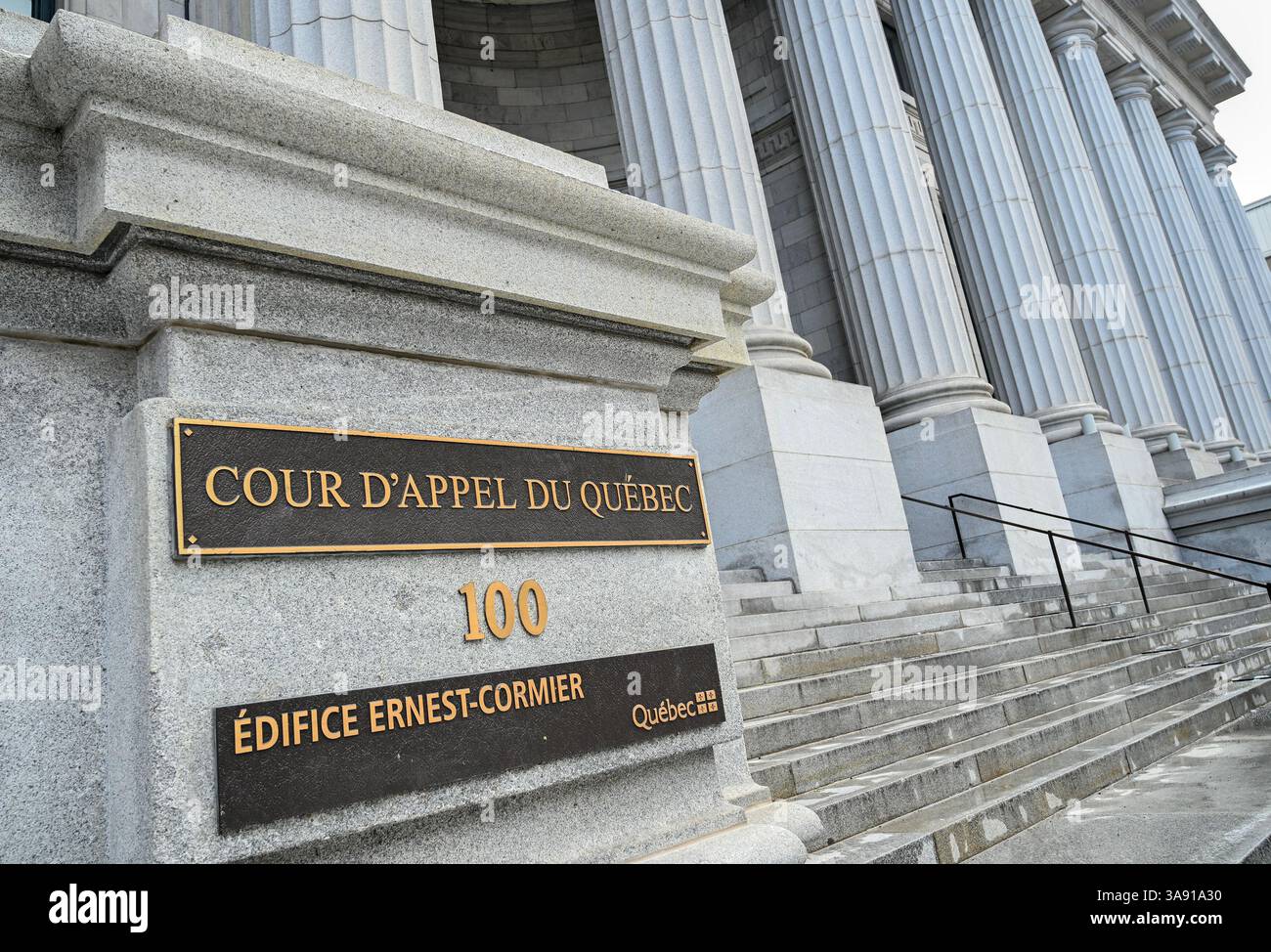
The Court of Appeal ultimately overturned the lower court’s decision in a unanimous ruling released on May 16, 2024. The judgment, authored by Justice François Rolland, stated: “To prohibit the depiction of smoking in a theatrical context where it is artistically justified is to conflate the regulation of harmful conduct with the suppression of symbolic expression. The Charter protects not only what we say, but how we choose to say it — including the use of legally regulated substances when integral to artistic vision.”
Implications for Artists and Cultural Institutions
The decision provides clarity for Quebec’s theatre community, which has long advocated for artistic exemptions similar to those in film and television, where smoking is permitted under strict guidelines. While the ruling does not eliminate all regulatory oversight, it establishes that producers must demonstrate a clear artistic rationale for including smoking in a production — a determination that may involve consultation with cultural experts or peer review panels.
Theatres are not required to seek pre-approval for each performance but could face legal challenges if smoking is deemed gratuitous or unnecessary to the work. Legal scholars note that this places responsibility on artistic directors to justify such choices, potentially encouraging more thoughtful staging decisions. The Quebec Cultural Affairs Council has indicated it may develop guidelines to assist theatres in navigating the ruling, though no formal framework has been announced as of June 2024.
Health organizations, including the Quebec Coalition for Tobacco Control, have acknowledged the court’s focus on artistic context but urged continued vigilance. They emphasized that the ruling does not permit smoking in lobbies, backstage areas, or during intermissions, and called for robust ventilation protocols and audience notifications when tobacco is used on stage. Some advocates have suggested implementing content advisories — similar to those for violence or language — to inform patrons about theatrical smoking.
Broader Context: Artistic Freedom vs. Public Health
The Quebec ruling contributes to an ongoing North American debate about balancing creative expression with public health objectives. In the United States, no federal exemption exists for onstage smoking, though some states and cities allow limited use under performance permits, often requiring disclosure and ventilation standards. Cities like Latest York and Chicago have seen productions face fines for violating indoor smoking bans, prompting calls for clearer artistic exemptions.
Internationally, several European countries have long recognized theatrical smoking as a protected practice. In France, the Conseil d’État has upheld the right to smoke on stage as part of artistic freedom, while Germany’s Federal Constitutional Court has ruled that smoking in theatre is permissible when essential to a production’s integrity. These precedents were referenced during the Quebec appeal, with lawyers arguing that Quebec’s approach should align with broader democratic principles protecting cultural expression.
The decision also raises questions about consistency in how Quebec regulates substances in artistic contexts. While alcohol consumption on stage is generally permitted without restriction, tobacco remains subject to tighter controls — a disparity some artists argue lacks logical basis when both substances carry health risks. The court did not address this comparison directly, focusing instead on the specific legal and expressive dimensions of tobacco use in performance.
What Comes Next
As of June 2024, there are no announced plans to appeal the Court of Appeal’s ruling to the Supreme Court of Canada. The Quebec Ministry of Health and Social Services has stated it is reviewing the decision to assess its implications for enforcement of the Tobacco Control Act but has not indicated plans to amend the legislation. The three theatres involved in the case have expressed relief and confirmed they will continue to incorporate smoking into productions where artistically warranted, with Le Trident noting plans for an upcoming staging of Death of a Salesman that includes realistic depictions of smoking.
Legal experts suggest the ruling may influence future cases involving other forms of substance use in art, such as vaping or herbal smoking blends, though any extension of the principle would require additional judicial interpretation. For now, the decision stands as a significant affirmation of artistic autonomy in Quebec’s cultural landscape.
For updates on cultural policy developments in Quebec, readers can follow announcements from the Ministry of Culture and Communications or the Quebec Court of Appeal’s official publications.
We invite you to share your thoughts on this ruling: Does artistic justification adequately balance creative freedom with public health concerns? Join the conversation in the comments below and share this article with others interested in theatre, law, and cultural rights.
Related reading