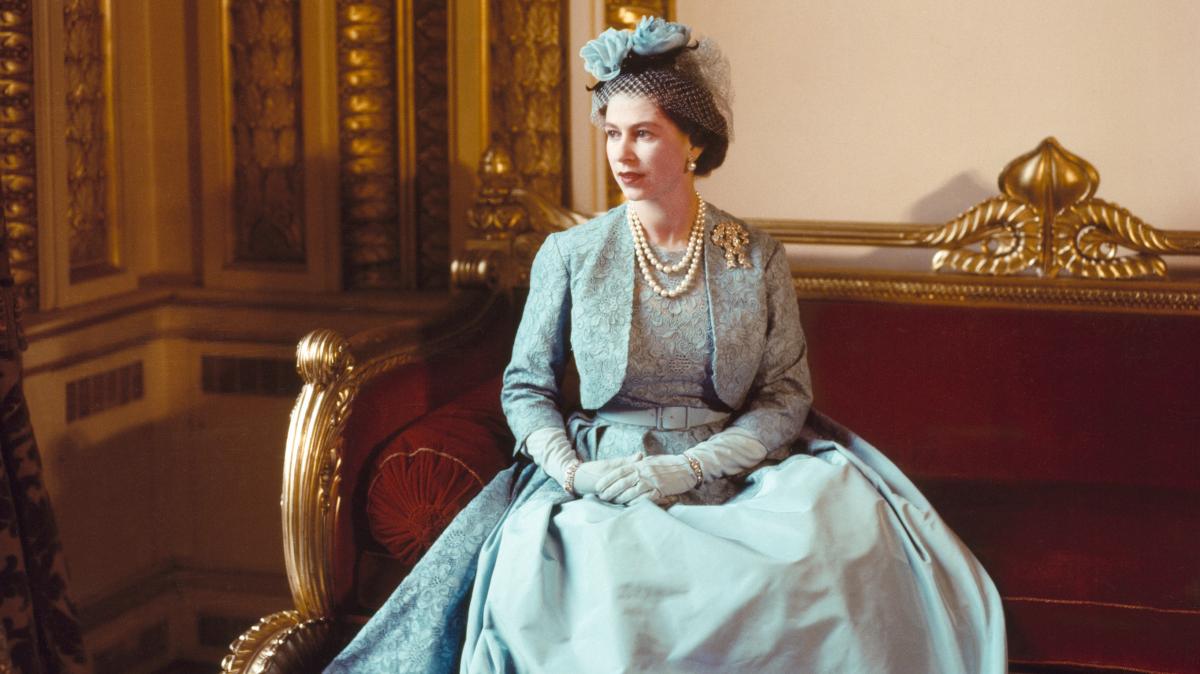
London is currently hosting a landmark retrospective of royal fashion that transcends mere aesthetics to explore the strategic intersection of style and statecraft. The exhibition, titled “Queen Elizabeth II: Her Life in Style,” opened on April 10, 2026, at the King’s Gallery within Buckingham Palace The Royal Family. This curated showcase serves as a profound reflection on the wardrobe of Britain’s longest-reigning monarch, presenting fashion as a deliberate tool of diplomacy and a mirror of a century of change.
The exhibition is timed to coincide with the centenary of the late Queen’s birth, which would have been celebrated on April 21, 2026 Harper’s Bazaar. By assembling a vast array of garments—ranging from the utilitarian to the opulent—the display illustrates how the Queen utilized her public image to maintain stability and project authority across seven decades of global political upheaval.
For those of us analyzing the economic and social impact of the monarchy, this collection is more than a costume gallery; We see a study in branding and soft power. The exhibition features over 300 items The Royal Family, making it the largest-ever exhibition of the late Queen’s fashion Royal Collection Trust. From the structured elegance of her early reign to the iconic, colorful ensembles of her later years, each piece tells a story of a monarch who understood the silent language of clothing.
A Century of Style: From Balmoral to State Banquets
The breadth of the collection allows visitors to trace the evolution of the Queen’s personal and professional image. The exhibition highlights the stark contrast between her private retreats and her public duties. For instance, the display includes “country-looks” characterized by Barbour jackets and headscarves, often seen during her time at Balmoral Castle Harper’s Bazaar. These ensembles projected an image of accessibility and a deep connection to the British landscape, balancing the inherent formality of the crown.
Conversely, the state robes and gowns represent the peak of royal formality. The exhibition features breathtaking gowns, such as the 1956 evening dress designed by Norman Hartnell Harper’s Bazaar. These garments were not merely fashion statements but were engineered for visibility and prestige, ensuring the monarch remained a focal point of attention during high-stakes diplomatic encounters.
The transition from a 25-year-old monarch to a leader who reigned until the age of 96 is mapped through these textiles. The exhibition documents how her style shifted from the tentative elegance of the post-war era to the bold, saturated colors and matching hats that became her signature in the 21st century Harper’s Bazaar.
Fashion as a Diplomatic Instrument
In the realm of international relations, the Queen’s wardrobe functioned as a sophisticated form of non-verbal communication. Even as the monarch remained politically neutral, her choice of attire often signaled respect, solidarity, or a specific diplomatic intent. The “Queen Elizabeth II: Her Life in Style” exhibition emphasizes how these clothing choices acted as messages to the world.
Whether it was incorporating colors or patterns that paid homage to a visiting head of state or choosing attire that reflected the cultural norms of a host country, the Queen’s fashion was a calculated component of her diplomatic toolkit. This strategic approach ensured that her presence was always appropriate for the occasion, reinforcing the stability and continuity of the British monarchy on the global stage.
The exhibition’s focus on “diplomatic messages” suggests that the wardrobe was a curated asset. By maintaining a consistent yet adaptable style, the Queen was able to navigate the complexities of the Cold War, the era of globalization, and the digital age, all while remaining a recognizable and steady symbol of the United Kingdom.
Key Highlights of the Collection
- Scale: The exhibition features over 300 items, establishing it as the most comprehensive display of the Queen’s wardrobe to date The Royal Family.
- Diversity of Attire: The collection spans ten decades of the Queen’s life, including casual Balmoral attire and formal state gowns Harper’s Bazaar.
- Notable Designers: The exhibition showcases the work of legendary couturiers, including Norman Hartnell, whose 1956 evening dress is a featured piece Harper’s Bazaar.
- Thematic Focus: The curation emphasizes the “milestones” of her life and the use of fashion to convey diplomatic intent.
The Legacy of a Global Style Icon
Though the late Queen may not have sought the title of a “fashion icon” in the modern sense, her influence was undeniable. Her ability to remain timeless while evolving just enough to stay relevant allowed her to inspire generations. The exhibition illustrates how her “restrained but determined” nature was reflected in her clothing—never overshadowing the occasion, but always commanding respect Harper’s Bazaar.

From a business and economic perspective, the “Queen effect” also extended to the fashion industry. Her preference for British designers and specific brands often led to increased global visibility for those labels. The exhibition at the King’s Gallery underscores the symbiotic relationship between the monarchy and the luxury goods sector, where royal patronage serves as the ultimate endorsement of quality and prestige.
As the world reflects on her centenary, this exhibition provides a tangible link to the past, reminding us that in the world of high diplomacy, what one wears is often as key as what one says. The meticulous curation of these 300+ items ensures that the visual legacy of the longest-reigning British monarch is preserved for future historians and fashion enthusiasts alike.
For those interested in visiting, the exhibition is currently open at the King’s Gallery, Buckingham Palace. Official updates regarding ticketing and viewing hours can be found via the Royal Collection Trust and the official website of the Royal Family.
We invite our readers to share their thoughts on the intersection of fashion and diplomacy in the comments below. How do you believe royal style influences modern perceptions of national identity?
Related reading