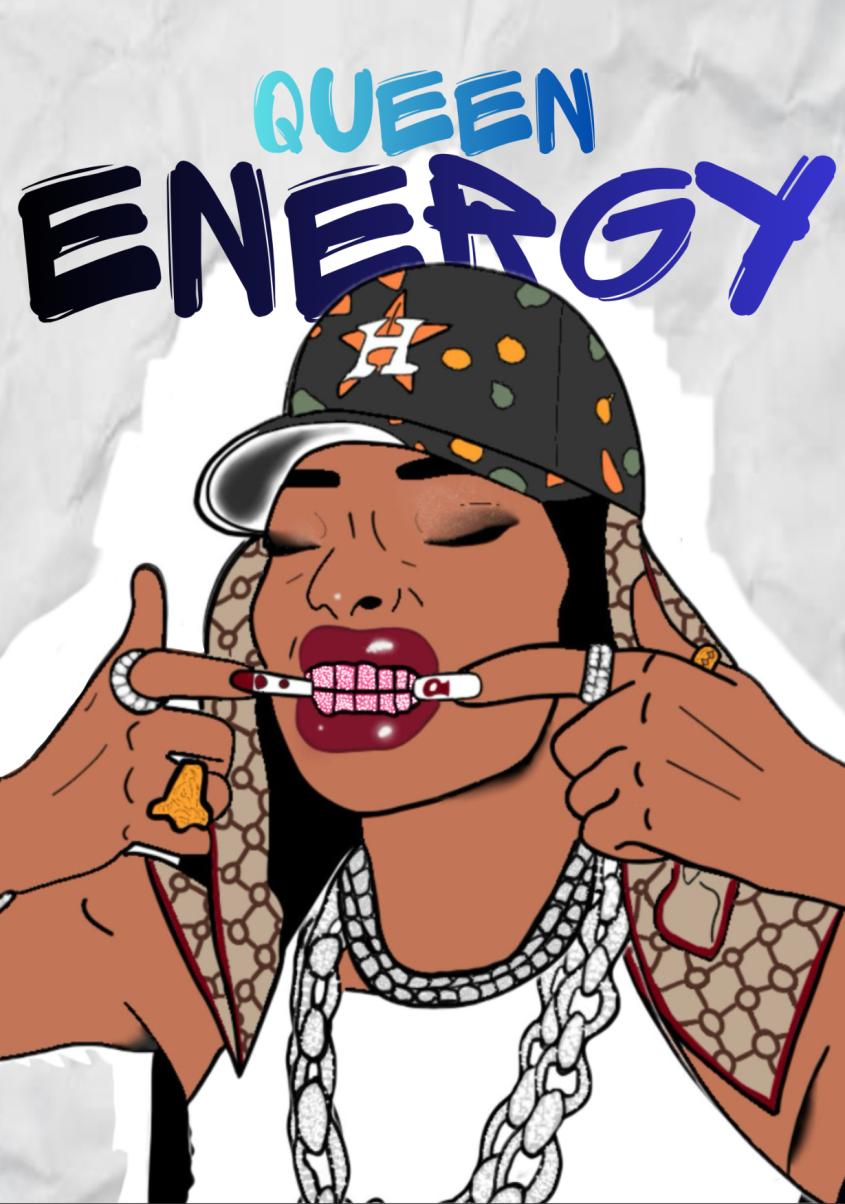
Although the global rap scene is often dominated by the legacies of figures like Tupac, Ice Cube and Eminem, a new academic initiative in France is shifting the spotlight toward the women who have shaped the genre. At the Université Rennes 2, a curated exhibition titled Queen Energy: le rap américain au féminin is set to challenge the male-centric narrative of North American hip-hop by highlighting the essential contributions of female artists.
The project is the result of a collaborative effort by three Master 1 students—Barbara Berthelot, Tamar Doliashvili, and Shona Ridard—enrolled in the “Langues et sociétés – parcours Amérique” program. Through this exhibition, the students aim to celebrate powerful and inspiring women who have historically been overlooked in the rap industry, transforming a university project into a public celebration of musical and social influence.
Scheduled to run from April 30 to September 28, 2026, the exhibition will be hosted at the Université Rennes 2 cultural service. By focusing on the intersection of language, society, and music, the organizers seek to provide a comprehensive look at how female rappers have navigated and disrupted a traditionally male-dominated space.
Celebrating the Women of North American Rap
The core of the “Queen Energy” exhibition is a detailed exploration of 11 North American female rappers. Rather than a simple list of names, the exhibition provides a deep dive into the individual identities of these artists. Each featured rapper is presented on a dedicated poster that includes a comprehensive biography, striking quotes, and an analysis of the unique style and “strong words” that define their artistic singularity.
This curated approach allows visitors to see the diversity within the genre, moving beyond stereotypes to showcase the varied histories and lyrical themes that these women have championed. By centering these voices, Berthelot, Doliashvili, and Ridard are not only documenting musical history but are actively advocating for the visibility of women in the arts.
Analyzing Gender Inequality in Hip-Hop
Beyond the individual biographies, “Queen Energy” incorporates a critical sociological lens to examine the systemic challenges facing women in the industry. A central feature of the exhibition is a comparative infographic designed to illustrate the persistent inequalities between men and women within the rap scene.

This data-driven component of the display serves as a counterpoint to the celebratory posters, reminding viewers that while these artists have successfully imposed themselves on the global stage, the terrain remains fraught with disparity. The juxtaposition of individual success stories against systemic inequality highlights the resilience required for female artists to achieve recognition in the North American music market.
Academic Foundation and Creative Vision
The exhibition is rooted in the academic rigor of the Master 1 “Langues et sociétés” program at Université Rennes 2. The students’ choice of theme reflects a shared passion for music and a desire to apply their studies of American languages and societies to a real-world cultural project. The initiative demonstrates how academic research into linguistic and social trends can be translated into an engaging public exhibition.
By focusing on “Queen Energy,” the students are exploring how language is used as a tool for empowerment and how the specific cadence and vocabulary of female rap differ from or challenge the established norms of the genre.
Event Details and Visitor Information
For those interested in exploring the history of female rap and the sociological dynamics of the music industry, the exhibition provides a structured timeline and a specific location for viewing:

- Exhibition Title: Queen Energy
- Dates: April 30 to September 28, 2026
- Location: Université Rennes 2 (Cultural Service)
- Focus: 11 North American female rappers and gender inequality in rap
The exhibition serves as both an educational resource for students and a cultural event for the broader community, bridging the gap between academic study and contemporary pop culture.
The exhibition will remain open to the public through September 28, 2026. We invite readers to share their thoughts on the evolution of female rap in the comments below.