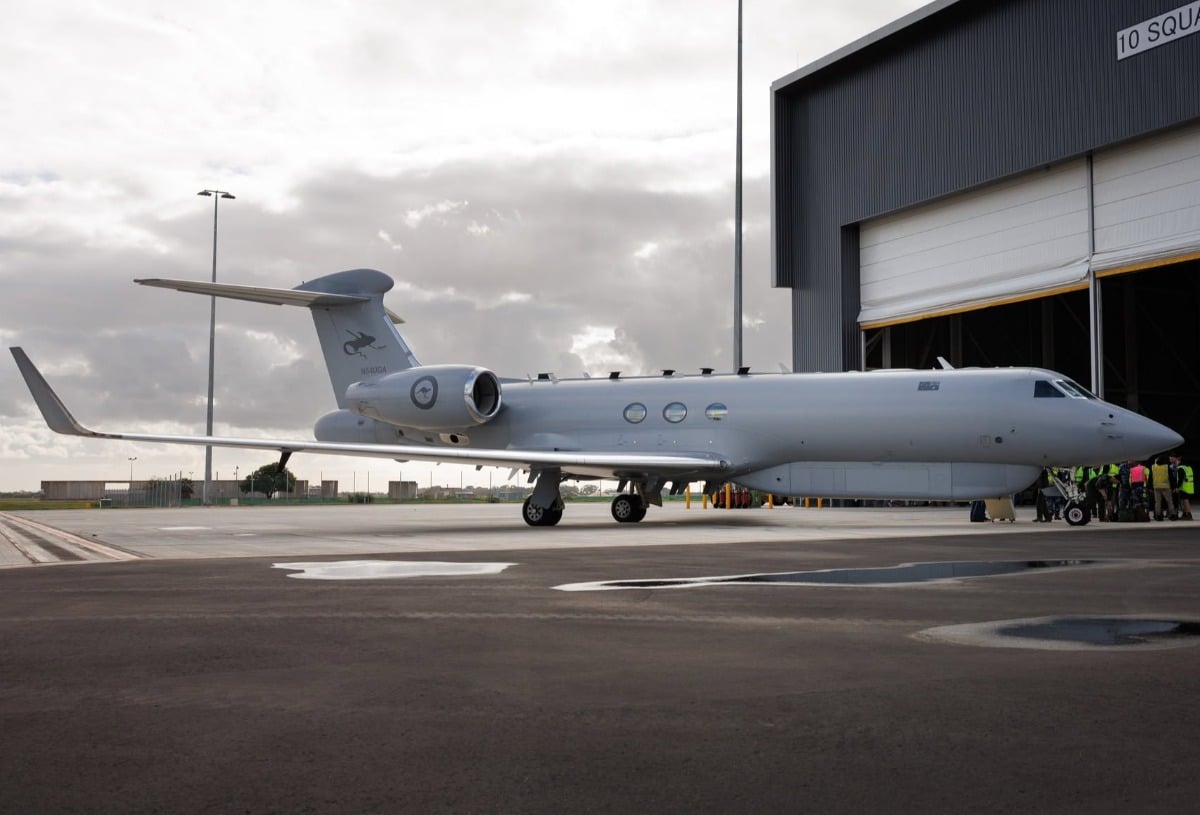
The Royal Australian Air Force (RAAF) has bolstered its intelligence, surveillance, and reconnaissance capabilities with the arrival of its third MC-55A Peregrine aircraft at RAAF Base Edinburgh in South Australia. The delivery marks a significant milestone in the Australian Defence Force’s plan to field a specialized fleet of four electronic warfare jets, designed to integrate with maritime, land, and air assets to provide real-time battle management and electronic support, according to the Department of Defence.
The MC-55A Peregrine, a modified version of the Beechcraft King Air 350ER, serves as a cornerstone of Australia’s modern electronic warfare strategy. By providing high-fidelity data collection and dissemination, the fleet is intended to enhance the situational awareness of the Australian Defence Force during complex operations. The acquisition of these aircraft is part of a broader AIR 7000 Phase 2 procurement program, which seeks to modernize the nation’s airborne intelligence-gathering hardware.
Strategic Role of the MC-55A Peregrine Fleet
The Peregrine fleet acts as a critical link between various defense systems, allowing for the rapid processing and distribution of electronic information. According to the Royal Australian Air Force, the aircraft are equipped with advanced sensors that allow them to monitor and analyze the electromagnetic spectrum. This capability is vital for identifying potential threats and maintaining a strategic advantage in contested environments.

Operating out of RAAF Base Edinburgh, the Peregrines are managed by No. 9 Squadron, which was re-established to oversee the integration of this new capability into the wider RAAF structure. The aircraft are designed to operate in tandem with other platforms, such as the P-8A Poseidon and the E-7A Wedgetail, creating a multi-layered surveillance network. This interoperability ensures that the Australian Defence Force can maintain a comprehensive view of its operational surroundings, a necessity in the current geopolitical climate of the Indo-Pacific region.
Procurement and Fleet Development
The Australian government’s commitment to the MC-55A project is part of a multi-year investment in advanced military technology. With three of the four planned aircraft now delivered, the program is nearing its final operational configuration. The fourth and final aircraft is expected to complete the fleet, providing the RAAF with full mission capability, as noted in recent Ministerial statements regarding defense procurement milestones.
The development of the Peregrine fleet has required extensive infrastructure and training support at RAAF Base Edinburgh. Personnel have undergone specialized training to operate the highly sensitive equipment housed within the aircraft’s airframe. This focus on human capital ensures that the technical advancements provided by the hardware are matched by the operational expertise of the flight crews and intelligence analysts involved in the project.
Why Electronic Warfare Matters for Australia
Electronic warfare has become an essential component of modern defense, focusing on the control and exploitation of the electromagnetic spectrum. As reported by the Australian Strategic Policy Institute, the ability to jam, intercept, or protect electronic signals is a decisive factor in contemporary security operations. The MC-55A Peregrine provides the RAAF with the ability to conduct these operations with greater precision and at a longer range than previous systems.
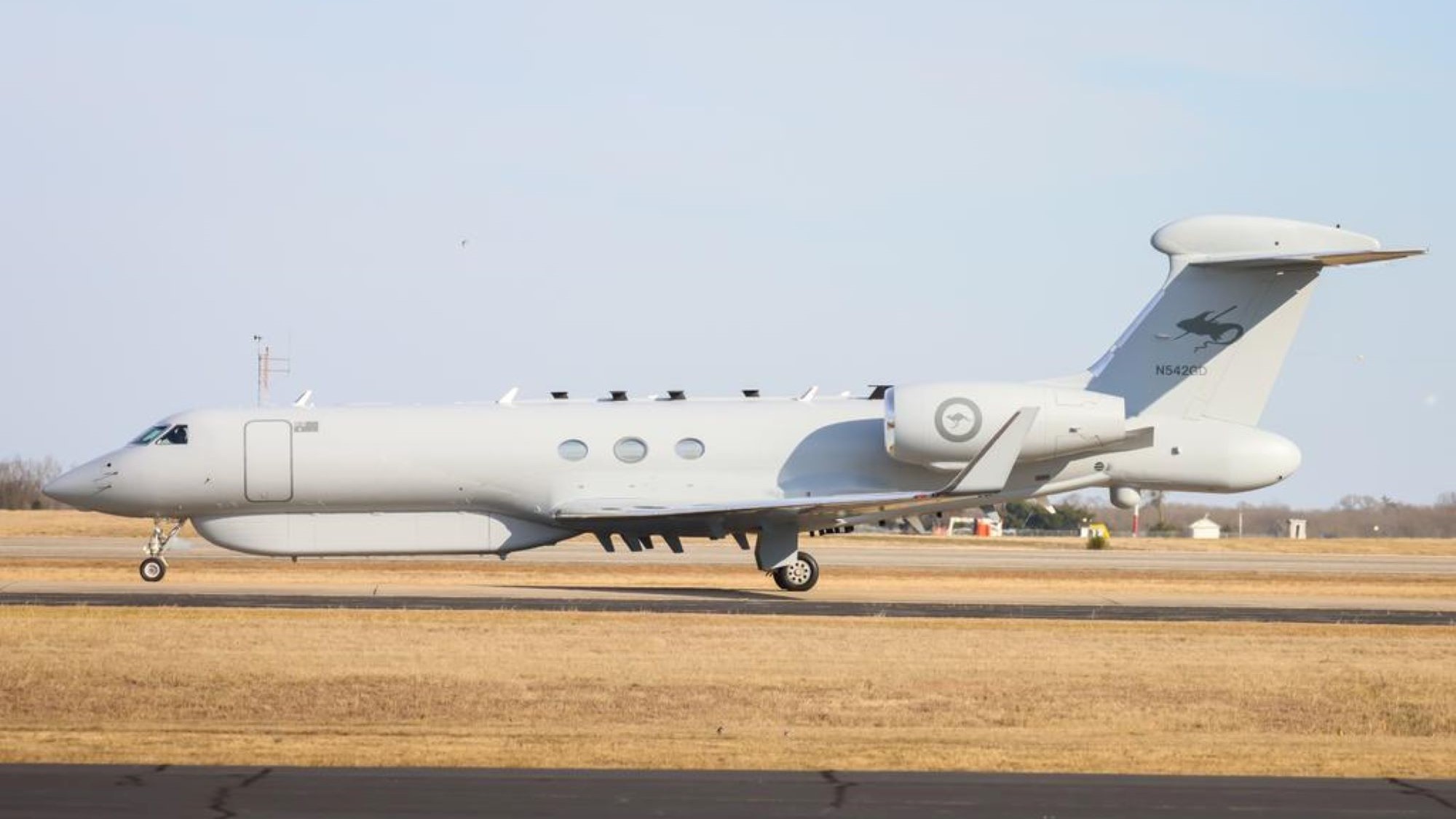
The integration of these aircraft signifies a shift toward a more networked and information-centric defense posture. By gathering and analyzing data in real-time, the RAAF can better support joint task forces across the Australian maritime and land domains. This capability is not merely about surveillance; it is about the capacity to act upon information quickly, which remains a primary objective for the Australian Department of Defence as it continues to roll out its planned procurement schedule.
The remaining aircraft is expected to be delivered in the coming months, marking the final stage of the current procurement phase. The Department of Defence continues to provide updates on the integration of these platforms through its official portal. Readers interested in the ongoing progress of the RAAF’s electronic warfare modernization are encouraged to monitor these official channels for future announcements regarding the full deployment of the Peregrine fleet.
Keep reading