Congress Vows to Fight Back Against Proposed Changes to MGNREGA, Drawing Parallels to Farm Law Protests
New Delhi – The Congress party is escalating its opposition to potential changes to the Mahatma Gandhi National Rural Employment Guarantee Act (MGNREGA), framing the issue as a critical battle for the rights of rural India and vowing to force the Modi government to reverse course.The move comes as the party draws direct parallels to the triumphant farmer protests that led to the repeal of the controversial farm laws in 2021.
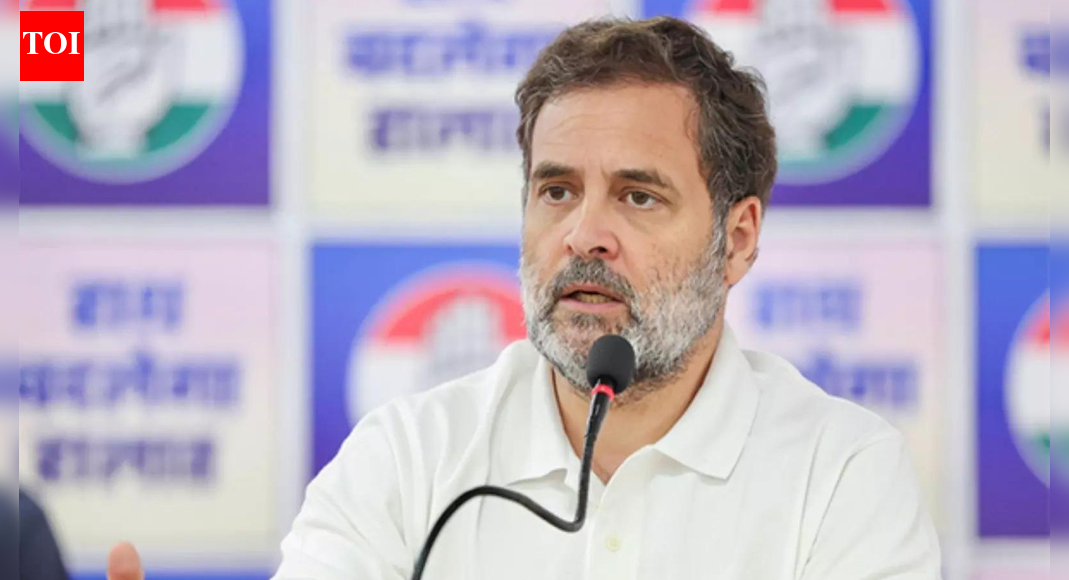
Congress leader Rahul Gandhi, speaking from Germany where he was attending an international political meeting, asserted that MGNREGA provides vital “leverage” and “bargaining power” for vulnerable populations. He argues this empowerment reduces exploitation, curbs distress migration, and improves wages and working conditions for millions.
A Threat to Rural Livelihoods
Gandhi contends the government’s intentions are clear: to weaken the labor force and diminish the influence of rural communities, especially Dalits, Othre backward Classes (OBCs), and Adivasis. He characterized the proposed changes – referred to as “VB-G RAM G” – as “anti-state and anti-village,” representing a last line of defense for the rural poor.
The Congress isn’t just focusing on the immediate impact. They warn that MGNREGA could be the first domino in a series of attacks on crucial social safety nets. Specifically, they fear potential targeting of acts related to forest rights, food security, and land acquisition.They also point to what they see as the erosion of the Right to Information (RTI) Act.
Building a Nationwide Resistance
The party is preparing for a nationwide mobilization. The Congress Working Committee (CWC) is scheduled to meet December 27th to formulate a detailed action plan for a sustained campaign.
Congress MPs Jairam Ramesh and Manickam Tagore emphasized the precedent set by the farmer protests. “Farmers protested and forced the PM to roll back the three farm laws,” Tagore stated. “The CWC will hopefully come out with an action plan on how to raise this issue.”
The Leader of the Opposition in Lok Sabha pledged to stand in solidarity with workers, local governing bodies (panchayats), and state governments to defeat the proposed changes.They aim to build a broad-based national front to ensure the law’s withdrawal.
Strategic Outreach and coalition Building
The opposition believes this issue offers a valuable prospect to connect with marginalized communities. It also presents a chance to bridge internal divisions within the broader anti-BJP bloc.
Recent discussions among opposition members have centered on past protests against land acquisition bills and the farm laws. The argument is that weakening MGNREGA will disproportionately impact the poor, who have come to rely on the program for their livelihoods.
Ramesh highlighted the parallels, stating the proposed changes to MGNREGA will harm vulnerable sections in the same way the farm laws were intended to impact farmers.
Leveraging Support Beyond parliament
the Congress is also counting on support from advocacy groups and NGOs to amplify their message and reach target populations. This collaborative approach is expected to bolster the effectiveness of the planned agitation.
what this means for you: If you rely on MGNREGA for income or no someone who does, understanding these proposed changes and the opposition’s response is crucial. This is a developing story with potentially significant consequences for rural India and its most vulnerable citizens.
Key Takeaways:
* MGNREGA at Risk: The Congress alleges the government is attempting to weaken the MGNREGA scheme.
* Farmer Protest Parallel: The party is drawing parallels to the successful farmer protests, signaling a willingness to fight aggressively.
* Broader Concerns: The Congress fears this is part of a larger pattern of eroding social safety nets.
* Nationwide Mobilization: A nationwide protest is being planned, with a CWC meeting scheduled to finalize details.
* Coalition Building: the opposition hopes to leverage this issue to unite and reach out to marginalized communities.
Keep reading
- Who is Bianca Ingrosso Dating? Star on Romantic Vacation With Mystery Man
- Oakland to Pay Homeless Individuals to Collect Trash
- SpaceX Rocket Predicted to Hit Moon on August 5: Impact and Analysis (archyde.com)
- Europe Wildfires: Latest Updates and Impact Across France, Greece, and Spain (archynewsy.com)