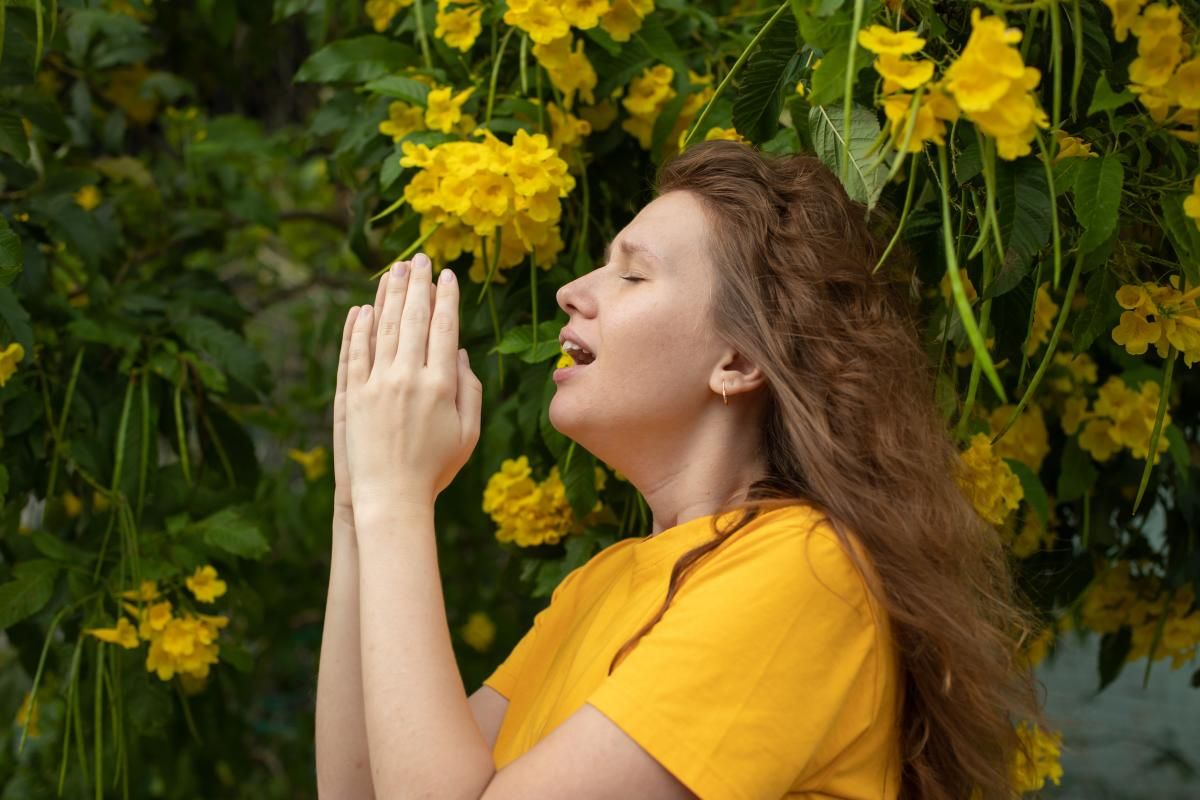
Madrid, Spain – A challenging spring allergy season looms for individuals across Spain, as unusually heavy rainfall coupled with dropping temperatures is disrupting the typical pollination cycle and exacerbating respiratory allergies. Experts at the Spanish Society of Allergology and Clinical Immunology (Seaic) are warning that this combination of factors could lead to a particularly difficult period for those sensitive to pollen, as well as a worsening of symptoms for asthma sufferers.
The recent weather patterns are delaying the winter pollination process and increasing environmental humidity. This “perfect storm” of conditions creates an environment ripe for increased allergen levels when the weather stabilizes, according to health officials. While the current rainfall is temporarily reducing pollen counts through a process known as “washout,” the subsequent release of pollen when conditions improve is expected to be significantly higher than usual.
Delayed Pollination and Increased Humidity: A Double Threat
The phenomenon of “washout” refers to the way heavy precipitation physically removes pollen from the atmosphere, temporarily alleviating symptoms. Still, experts caution that this relief is short-lived. Juan José Zapata, president of the Aerobiology Committee of the Spanish Society of Allergology and Clinical Immunology (SEAIC), explained that while the rain and cooler temperatures are currently suppressing pollination, “When the climate stabilizes, pollen levels could rise rapidly.” This anticipated surge in pollen concentration poses a significant challenge for allergy sufferers.
The impact isn’t limited to pollen allergies. The increased humidity resulting from the rainfall is also fostering the growth of molds and dust mites, both known allergens that can trigger asthma exacerbations. This creates a dual concern for individuals with respiratory conditions, requiring heightened vigilance and proactive management of symptoms.
Specific Pollens of Concern
While the delayed pollination affects various plant species, certain pollens are of particular concern. Cupressaceae, which includes cypress trees, is a major contributor to pollen allergies in Spain, typically beginning pollination in late January. The current weather conditions are delaying this process, meaning a concentrated release of cypress pollen is likely when warmer, drier weather returns. Experts anticipate a higher-than-usual concentration of these pollens this spring.
Beyond cypress, other tree pollens, as well as grasses and weeds, will also contribute to the overall pollen load. The exact timing and intensity of their release will depend on future weather patterns, making accurate forecasting crucial for allergy sufferers.
Impact on Asthma Sufferers
The increased humidity and mold growth associated with the recent rainfall are particularly problematic for individuals with asthma. Mold spores and dust mites are potent triggers for asthma attacks, leading to airway inflammation and breathing difficulties. The Seaic has warned that the current conditions could lead to a worsening of asthma symptoms, requiring increased use of reliever medications and potentially more frequent medical interventions.
Recommendations for Allergy and Asthma Sufferers
Given the anticipated challenges, health professionals are advising individuals with allergies and asthma to take proactive steps to manage their conditions. These recommendations include:
- Monitor Pollen Counts: Regularly check local pollen forecasts to understand the levels of allergens in your area. Several websites and apps provide real-time pollen information.
- Limit Outdoor Exposure: On days with high pollen counts, minimize time spent outdoors, especially during peak pollination hours (typically mid-morning and early evening).
- Keep Windows Closed: Close windows and doors to prevent pollen from entering your home or car. Use air conditioning with a HEPA filter to purify indoor air.
- Maintain Indoor Cleanliness: Regularly dust and vacuum your home to remove pollen and dust mites. Wash bedding frequently in hot water.
- Medication Adherence: Follow your doctor’s instructions regarding allergy and asthma medications. Ensure you have an adequate supply of necessary medications, including reliever inhalers.
- Consult Your Doctor: If your symptoms worsen or are not adequately controlled with over-the-counter medications, consult your doctor for further evaluation, and treatment.
Understanding the “Effect Washout”
The “effect washout,” as described by experts, is a temporary reduction in pollen levels caused by heavy rainfall. The rain physically washes pollen out of the air, providing temporary relief for allergy sufferers. However, this effect is short-lived, as pollen levels are expected to rebound quickly once the weather stabilizes. This rebound is predicted to be more significant than in typical years due to the delayed pollination cycle.
Looking Ahead: Monitoring and Preparedness
The Spanish Society of Allergology and Clinical Immunology (Seaic) continues to monitor the situation closely and provide updates to the public. The organization emphasizes the importance of preparedness and proactive management of allergies and asthma in the face of these challenging weather conditions.
The next key checkpoint will be the release of updated pollen forecasts from the Seaic as the weather patterns shift and the pollination season progresses. Individuals are encouraged to stay informed and follow the recommendations of healthcare professionals to minimize the impact of allergies and asthma this spring.
Have you experienced worsening allergy symptoms due to the recent rainfall? Share your experiences and tips for managing allergies in the comments below. Please also share this article with anyone who might find it helpful.
Related reading