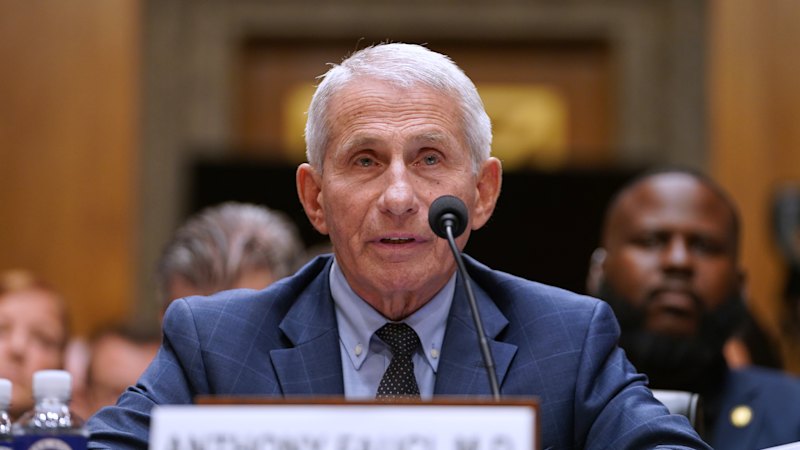
Former chief medical adviser Dr. Anthony Fauci faced a contempt finding and intense questioning during a contentious congressional hearing regarding the origins of COVID-19, leading to high-stakes political clashes on Capitol Hill. The proceedings, marked by sharp exchanges between lawmakers and witnesses, highlighted ongoing partisan divisions over pandemic policies and federal research funding.
During the session, Republican lawmakers pressed Dr. Fauci on government communications and scientific grants related to coronavirus research. According to Reuters, the hearings underscored deeply entrenched disagreements between congressional investigators and public health officials who led the federal response during the height of the global health crisis.
The confrontation escalated when long-standing legislative critics of the former medical adviser engaged in heated verbal disputes with legal counsel present in the hearing room. Observers noted that the proceedings reflect broader legislative efforts to scrutinize federal oversight mechanisms and transparency measures surrounding infectious disease research laboratories.
Congressional Oversight and the COVID-19 Origins Debate
Lawmakers serving on investigative panels have spent months examining documentation regarding grant approvals and correspondence involving federal health agencies. According to reporting by the Associated Press, investigators focused heavily on electronic communications and administrative decisions made during the initial phases of the pandemic response.
Proponents of the inquiry argue that rigorous legislative oversight is essential to restoring public trust in federal institutions. Critics of the investigation, however, contend that the hearings are politically motivated attempts to target public health professionals who relied on consensus scientific guidance during an unprecedented global emergency.
The debate also centers on how federal agencies vet foreign research grants and monitor biosafety protocols at overseas facilities. Representatives from scientific organizations have defended the peer-review processes used to allocate research funding, emphasizing that international collaboration remains vital for tracking emerging pathogens.
Legal and Procedural Ramifications
The threat of contempt proceedings places additional legal pressure on figures central to the federal pandemic response. According to the BBC, congressional committees possess statutory authority to issue subpoenas and refer individuals for prosecution if compliance disputes cannot be resolved through negotiation.
Legal analysts suggest that contempt findings rarely result in immediate criminal indictments, but they serve as powerful political instruments that escalate inter-branch conflicts. The involvement of legal counsel during committee appearances underscores the complex legal landscape facing former administration officials as they navigate ongoing congressional subpoenas.
Further developments depend on committee votes and potential floor resolutions in the legislature. Official transcripts and recorded proceedings remain accessible through public congressional portals for researchers and citizens tracking the inquiry’s progress.
Related reading
- Firefighter’s Smart Glasses Capture Intense Battle Against Gironde Wildfires in France
- Argentina to Face Turkey in World Group I Clash
- Russia Charges Telegram Founder Pavel Durov With Aiding Terrorism (archyworldys.com)
- Super Typhoon White Dolphin: Forecasts and Potential Impact on Japan (newsdirectory3.com)