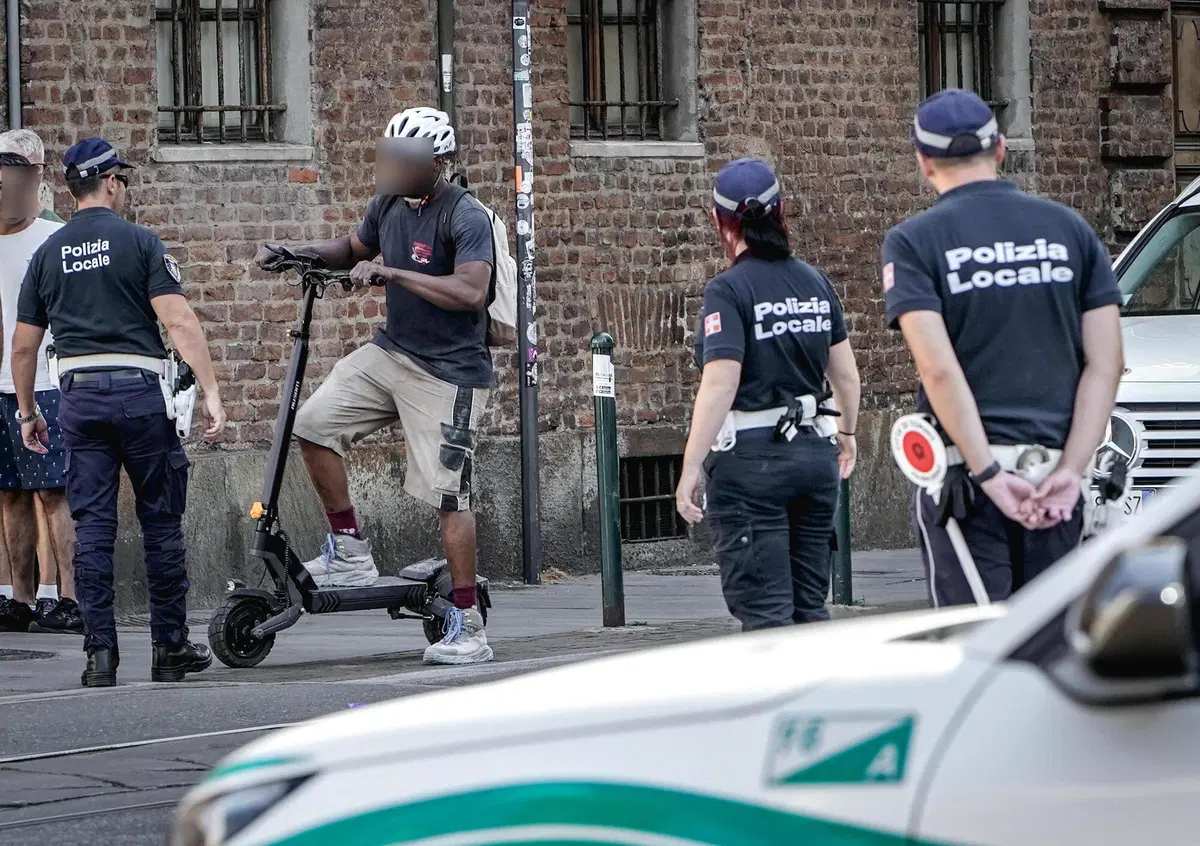
Milan’s streets face a growing regulatory and safety crisis surrounding micro-mobility, as a proliferation of shared electric scooters, private devices, and mounting enforcement challenges create widespread confusion across the city. According to local reporting and municipal transport data from the Comune di Milano, the rapid adoption of e-scooters has outpaced existing oversight, leaving law enforcement agencies scrambling to enforce compliance on sidewalks, pedestrian zones, and major thoroughfares.
The friction centers on a combination of reckless riding behavior, improper parking, and a lack of standardized insurance enforcement for private operators. While commercial sharing fleets operating under municipal tenders must carry mandatory third-party liability coverage—known in Italy as Assicurazione RCA (Responsabilità Civile Autoveicoli)—private owners frequently operate outside these stringent corporate frameworks, complicating liability determinations when collisions occur on urban asphalt.
Municipal police forces, including the Polizia Locale di Milano, have stepped up street-level inspections across key zones like the Navigli, Piazza del Duomo, and Corso Buenos Aires. Officers report widespread non-compliance regarding speed limits, helmet use for underage riders, and unauthorized two-up riding, highlighting an urban transit ecosystem that remains largely uncontrolled despite ongoing regulatory adjustments.
Regulatory Compliance and the Insurance Gap
Under current Italian legislative frameworks governing electric micro-mobility, commercial sharing operators in Milan are bound by strict service contracts that mandate comprehensive third-party insurance policies. These corporate policies ensure that victims of accidents caused by shared fleet vehicles can seek compensation through established legal channels. However, the legal landscape for private owners remains a subject of ongoing debate among transit analysts and municipal lawmakers.
The disparity between shared fleets and privately owned electric scooters creates significant enforcement hurdles for local authorities. While sharing apps automatically restrict speeds in designated pedestrian areas and require digital user verification, private devices can be modified or operated without electronic speed caps. This technological divide complicates the work of municipal inspectors stationed at high-traffic intersections throughout the Lombardy capital.
According to safety studies published by consumer protection associations and municipal transit committees, unregistered private usage accounts for a disproportionate share of urban traffic violations involving micro-mobility devices. Law enforcement agencies face practical difficulties in verifying policy details during roadside checks, as digital verification systems for private insurance remain fragmented across different insurance providers.
Street-Level Enforcement and Municipal Crackdowns
To combat rising complaints from pedestrians and local shop owners, Milan’s local police department has deployed targeted checkpoints across high-density neighborhoods. Officers check braking systems, lighting equipment, and compliance with the national statutory speed limit of 20 kilometers per hour on mixed-traffic roads, dropping to 6 kilometers per hour in pedestrian zones.
The inspections frequently result in administrative fines and the temporary impoundment of non-compliant devices. Common infractions noted by patrolling units include riding against traffic on one-way streets, utilizing mobile phones while operating a vehicle, and failing to use approved reflective vests or lighting during evening hours. Despite these interventions, municipal unions note that staffing constraints limit the scope of continuous enforcement across Milan’s sprawling metropolitan grid.
Pedestrian advocacy groups continue to voice strong concerns regarding abandoned vehicles obstructing sidewalks and creating hazards for visually impaired residents. While sharing operators are contractually required to collect improperly parked units within specified timeframes, enforcement of these contractual penalties relies heavily on municipal spot-checks and citizen reporting tools.
Next Steps for Urban Transit Policy
Municipal authorities in Milan plan to review the existing framework for shared micro-mobility concessions ahead of upcoming contract renewals with operating companies. The discussions involve potential modifications to parking geo-fencing, mandatory technological upgrades for speed limitation, and enhanced cooperation between local police and fleet operators to streamline accountability.
Residents and commuters seeking to review official transit updates, file complaints regarding abandoned vehicles, or examine safety guidelines can access resources directly through the official Comune di Milano portal. Stakeholders anticipate further announcements from the municipal council as urban planners evaluate broader legislative adjustments to harmonize private and commercial micro-mobility standards.
Worth a look