
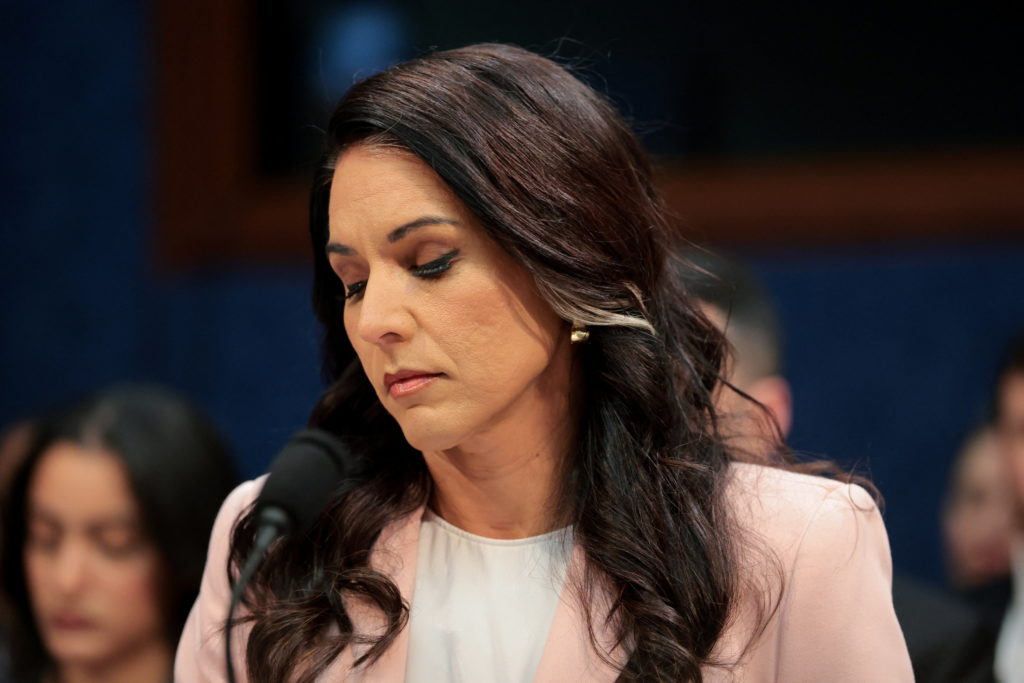
Tulsi Gabbard, the director of national intelligence, has announced her resignation from the Trump administration. The departure, which marks a significant shift in the U.S. Intelligence community’s leadership, follows a tenure of approximately 15 months. In a formal resignation letter addressed to President Trump, Gabbard outlined her decision to step down from her post, citing personal reasons related to her husband’s health as the primary driver for her exit. The announcement has prompted immediate questions regarding the future of the nation’s spy agencies and the continuity of intelligence operations.
According to reports, Gabbard has communicated her intent to vacate the office effective June 30, 2026. The resignation letter, which was shared on social media platforms, serves as the primary record of her decision. While her time in the role has been marked by a period of intense scrutiny regarding the management of U.S. Intelligence apparatuses, the administration has yet to provide specific details regarding a permanent successor or an interim plan for the leadership transition. Federal News Network has confirmed the timeline and the stated reasons for her departure.
Transitioning Leadership in the Intelligence Community
The role of the director of national intelligence involves overseeing the 18 agencies that comprise the United States Intelligence Community. Given the breadth of these responsibilities, the timing of a resignation often triggers a period of transition within the executive branch. As of May 22, 2026, the administration is navigating the logistical implications of this vacancy. For stakeholders in global policy and national security, the search for a new director will be closely monitored, as the position is central to the synthesis of intelligence briefings provided to the White House.
During her tenure, Gabbard’s leadership was frequently the subject of public and political discourse. Observers have noted that the director of national intelligence is responsible for ensuring that the President receives accurate, timely and objective assessments of global threats. The transition period typically involves a formal vetting process for a nominee, followed by Senate confirmation hearings, a process designed to ensure that the intelligence community remains under experienced guidance. Axios has noted the announcement of the resignation, placing it within the context of the current administration’s staffing adjustments.
What Happens Next: The Path Forward
With the departure date set for the end of June, the immediate focus shifts to the administrative protocols governing the Office of the Director of National Intelligence (ODNI). Typically, when a high-ranking official resigns, the deputy director or another senior official may be designated to serve in an acting capacity. This ensures that the flow of intelligence to the President and other senior policymakers is not interrupted.
For the public and for international partners, the focus remains on whether the transition will impact ongoing intelligence priorities. The U.S. Intelligence community maintains critical partnerships with allies worldwide, and shifts in leadership are often scrutinized for potential changes in strategic direction. However, the foundational mandates of the intelligence agencies are governed by established law and oversight committees, which provide a framework for continuity regardless of individual leadership changes.
Key Considerations for the Coming Weeks
- Transition Timeline: The official departure is scheduled for June 30, 2026, providing a window for the administration to manage the transition.
- Nomination Process: The President is expected to announce a candidate for the position, who will then undergo the standard confirmation process in the U.S. Senate.
- Operational Continuity: The ODNI is structured to maintain functional stability through acting leadership during periods of transition.
As the administration prepares for this change, further updates are expected through official channels. The intelligence community’s ability to remain apolitical and focused on threat detection and analysis remains a key interest for observers of global market stability and international relations. Readers seeking the most recent developments or official statements should monitor the official website of the Office of the Director of National Intelligence for press releases and administrative guidance.
We will continue to provide updates as more information becomes available regarding the nomination of a successor and the formal transition process. We invite our readers to share their perspectives on the impact of this leadership change in the comments section below.