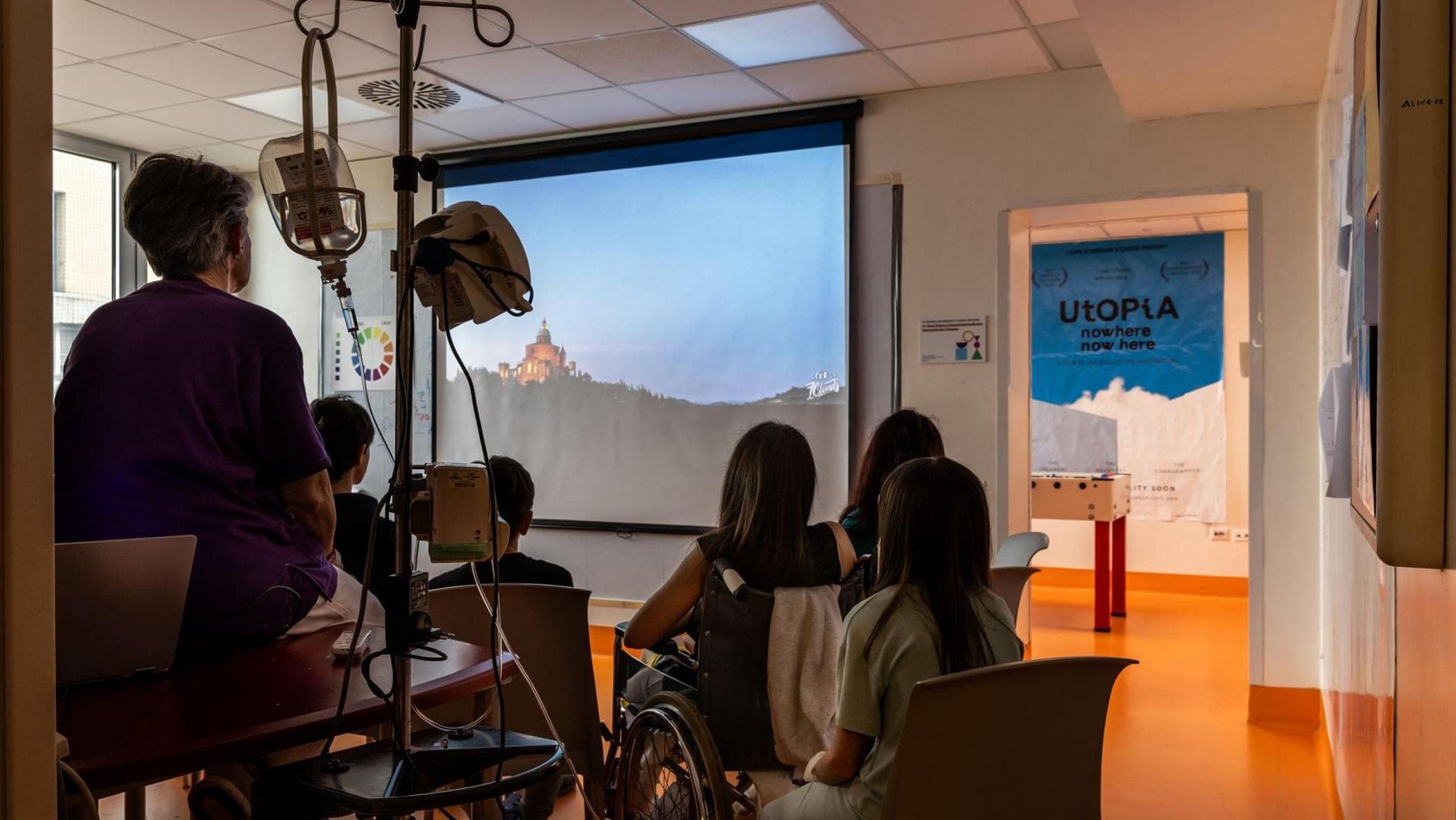
In the sterile corridors of a pediatric ward, the boundary between clinical treatment and emotional recovery is often blurred by the anxiety of illness and the isolation of hospitalization. At the Ospedale Regina Margherita in Turin, Italy, a pioneering shift is occurring within the Child Neuropsychiatry department, where the traditional medical model is being expanded to include the transformative power of storytelling and cinema. By integrating literature and film into the daily routines of young patients, the hospital is implementing a philosophy of culture as care
, treating the mind and spirit alongside the body.
This initiative recognizes that for children facing complex neurological and psychiatric challenges, the hospital environment can be an overwhelming source of stress. The introduction of structured reading and movie-watching projects is designed to mitigate this trauma, providing patients with a familiar psychological refuge. By engaging with narratives—ranging from classic children’s literature to modern superhero epics like Spider-Man—patients are encouraged to process their emotions, socialize with peers, and reclaim a sense of normalcy in an environment often defined by restriction and routine.
The program operates on the premise that art is not merely a distraction but a therapeutic tool. In the specialized setting of child neuropsychiatry, where communication barriers are common, visual and narrative media serve as bridges. These projects allow children to project their own struggles onto characters, find strength in fictional resilience, and share a collective experience with other children who are navigating similar health journeys. This approach aligns with a broader global movement toward the humanization of healthcare, which seeks to reduce the clinical coldness of hospitals in favor of patient-centered, holistic environments.
The Therapeutic Mechanics of Cinema and Bibliotherapy
The integration of cinema and books into the Neuropsychiatry department is rooted in the principles of bibliotherapy and cinematic therapy. Bibliotherapy involves the use of selected reading materials to support mental health, helping children develop coping mechanisms by identifying with characters who overcome adversity. For a child in a psychiatric ward, a story is more than a pastime; it is a mirror that reflects their internal world and a window into possibilities beyond the hospital walls.
Cinema provides a similarly potent emotional outlet. The use of popular culture, specifically superhero narratives, is intentional. Characters like Spider-Man represent the duality of vulnerability and strength—a theme that resonates deeply with children facing chronic illness or developmental hurdles. When children watch these films together, the activity transforms from a passive experience into a social event. This shared viewership fosters peer-to-peer interaction, which is critical for children whose social development may be interrupted by long-term hospitalization.
Medical professionals at the Ospedale Regina Margherita emphasize that these activities are integrated into the therapeutic plan. The goal is to stimulate cognitive functions, encourage verbal expression, and reduce the agitation often associated with pediatric psychiatric care. By shifting the focus from the pathology of the patient to the curiosity of the child, the hospital creates a space where the patient is seen first as a person and second as a medical case.
Addressing the Psychosocial Impact of Hospitalization
Hospitalization for children, particularly in neuropsychiatric units, can lead to a phenomenon known as hospitalism, characterized by emotional withdrawal and developmental regression. The lack of stimulating environments and the separation from family and school can exacerbate existing psychiatric conditions. The “culture as care” projects specifically target these psychosocial gaps by recreating a sense of community within the ward.
The impact of these initiatives is observed in several key areas of patient well-being:
- Reduction of Anxiety: Immersive stories provide a mental escape, lowering cortisol levels and reducing the fear associated with medical procedures.
- Social Integration: Group screenings and reading circles break the isolation of the individual patient, encouraging the formation of supportive peer bonds.
- Emotional Literacy: Discussing the plot and motives of characters allows children to articulate their own feelings of sadness, anger, or hope in a safe, indirect manner.
- Cognitive Stimulation: Reading and analyzing narratives help maintain and improve linguistic and cognitive skills during periods of medical instability.
By providing a structured way to share time, the hospital is addressing the “temporal vacuum” that often plagues long-term patients. When a child looks forward to a specific movie or the next chapter of a book, the perception of time shifts from a burden of endurance to a sequence of anticipated events.
The Global Trend of Humanizing Pediatric Care
The initiatives at Ospedale Regina Margherita are part of a wider evolution in pediatric medicine. Across Europe and North America, leading children’s hospitals are increasingly investing in “healing environments.” This includes everything from the architectural design of wards—using natural light and vibrant colors—to the implementation of art therapy and music programs. The underlying theory is that a patient’s environment directly influences their physiological and psychological recovery rates.
The World Health Organization (WHO) has long advocated for comprehensive care that includes psychosocial support. In pediatric settings, Which means recognizing that a child’s “work” is play and learning. When a hospital incorporates cinema and books, it is essentially validating the child’s identity and developmental needs. This holistic approach is not an “extra” or a luxury; it is increasingly viewed as a clinical necessity for optimal outcomes in mental health.
these projects often involve a multidisciplinary team. Educators, psychologists, and medical staff collaborate to ensure that the content chosen is age-appropriate and therapeutically beneficial. This collaboration ensures that the “culture” being introduced is not random but is a curated part of the healing process, tailored to the specific needs of the Neuropsychiatry department’s diverse patient population.
Key Takeaways: Culture as a Clinical Tool
| Intervention | Primary Objective | Expected Patient Outcome |
|---|---|---|
| Bibliotherapy | Cognitive and emotional processing | Improved emotional articulation and coping skills |
| Therapeutic Cinema | Socialization and escapism | Reduced isolation and lower anxiety levels |
| Shared Narrative | Peer-to-peer bonding | Increased social resilience and community feel |
| Humanized Environment | Reduction of clinical stress | Higher patient compliance and faster recovery |
Looking Forward: Expanding the Narrative
As the program at Ospedale Regina Margherita continues to evolve, the focus remains on the scalability of these projects. The success of using popular media like Spider-Man suggests that integrating contemporary cultural touchstones is more effective than relying solely on traditional educational materials. By meeting children where they are—in their interests and their digital-native reality—the hospital can build stronger therapeutic alliances with its patients.
The next phase for such initiatives often involves the integration of digital storytelling and interactive media, allowing patients to not only consume stories but to create them. This shift from passive consumption to active creation can further empower children, giving them a sense of agency and control in a life that is often dictated by medical schedules and physician orders.
For families and caregivers, these projects provide a vital point of connection. When parents can discuss a movie or a book with their hospitalized child, it creates a shared experience that is not centered on the illness, providing a necessary emotional respite for the entire family unit.
The ongoing implementation of these cultural projects will continue to be monitored by the hospital’s clinical staff to assess their impact on patient recovery times and psychological stability. Although the primary goal is the well-being of the children, the broader implication is a blueprint for how specialized psychiatric wards can evolve into spaces of genuine healing and human connection.
Further updates on the progress of the Neuropsychiatry department’s cultural initiatives are expected as the hospital evaluates the long-term outcomes of these three new projects. Readers are encouraged to share their thoughts on the integration of arts in medicine in the comments below.
Keep reading