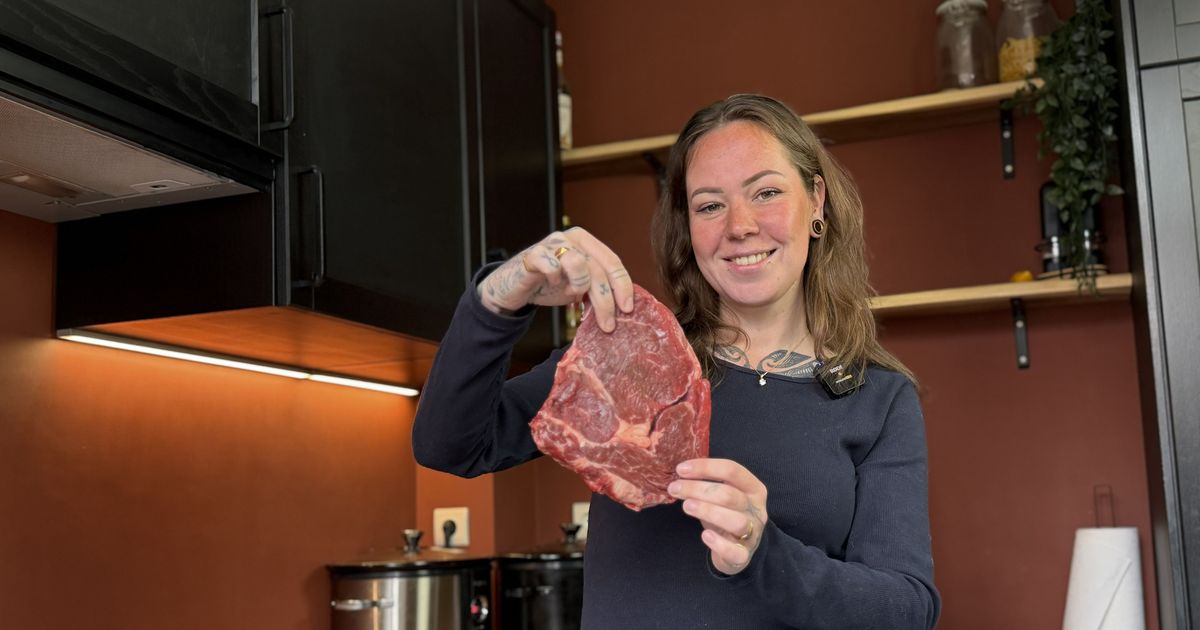
In the evolving landscape of modern nutrition, a provocative trend has moved from the fringes of internet forums to the mainstream: the carnivore diet. This restrictive eating pattern, which mandates the consumption of animal products while strictly forbidding all plant-based foods, has gained traction through viral testimonials and high-profile anecdotes of rapid weight loss and autoimmune relief.
Still, as a physician and health journalist, I locate the gap between these anecdotal “success stories” and clinical reality deeply concerning. While the immediate drop in scale weight can be seductive, the long-term physiological cost of eliminating entire food groups—including vegetables, fruits, grains and legumes—presents a significant risk to public health.
The carnivore diet is essentially the most extreme version of a ketogenic diet, pushing the body into a state of ketosis where it burns fat for fuel instead of glucose. By removing all carbohydrates, followers often experience a rapid initial loss of water weight and a reduction in systemic inflammation caused by processed sugars. But this “honeymoon phase” often masks the onset of severe nutritional deficiencies and metabolic strain.
The danger lies in the simplicity of the promise. For some, like the anecdotal cases appearing in regional reports, the diet is framed as a liberation from traditional nutritional guidelines—such as the Dutch Schijf van Vijf
—with some individuals reporting weight losses as high as 37 kilograms. Yet, from a medical perspective, losing weight is not synonymous with gaining health, especially when that loss is achieved through a diet that lacks essential micronutrients.
The Nutritional Void: Beyond the Protein
The most immediate concern for any clinician observing a carnivore diet is the total absence of dietary fiber and essential vitamins. Fiber is not merely a digestive aid; it is the primary fuel for the gut microbiome. A diet devoid of plant matter starves the beneficial bacteria in the colon, which can lead to profound changes in gut flora and long-term digestive dysfunction.
the risk of micronutrient deficiency is acute. Vitamin C, for instance, is almost entirely absent from a meat-only diet unless the individual consumes raw organ meats in specific quantities. Without adequate Vitamin C, the body cannot synthesize collagen, leading to the classic symptoms of scurvy, including bleeding gums and impaired wound healing. According to Harvard Health Publishing, the lack of plant-based nutrients and fiber can lead to significant health complications over time.
The absence of phytonutrients—compounds found in plants that protect against oxidative stress and inflammation—also leaves the body vulnerable. Antioxidants found in berries, leafy greens, and nuts are critical for DNA repair and cellular health. By removing these, the carnivore diet essentially strips the body of its natural defense mechanisms against cellular aging and cancer.
Cardiovascular and Renal Pressures
While proponents of the all-meat diet often claim that saturated fats are misunderstood, the medical consensus remains clear: excessive intake of saturated fats can lead to an increase in low-density lipoprotein (LDL) cholesterol. This “bad” cholesterol is a primary driver of atherosclerosis, the buildup of plaques in the arteries that leads to heart attacks and strokes.
The strain is not limited to the heart. The kidneys are tasked with filtering the nitrogenous waste products of protein metabolism. A massive, sustained increase in protein intake can place an undue burden on renal function, particularly in individuals with undiagnosed stage 1 or 2 chronic kidney disease. This increased load can accelerate the progression of kidney dysfunction and increase the risk of developing kidney stones due to higher uric acid levels.
“The carnivore diet is not a sustainable or healthy way to eat. It lacks essential nutrients and increases the risk of heart disease and other health problems.” Medical experts cited in nutrition reviews
The ‘Elimination Effect’ Misconception
One of the most common questions I receive is why some people report feeling significantly better—experiencing less joint pain or clearer skin—after switching to a carnivore diet. The answer is usually not the presence of meat, but the absence of triggers.
The carnivore diet acts as the ultimate elimination diet. By removing everything except meat, individuals inadvertently cut out processed sugars, seed oils, gluten, and other common allergens or inflammatory triggers. When a person with an undiagnosed sensitivity to a specific plant protein or a sugar-driven inflammatory response stops eating those foods, they feel a surge of wellness. This is often mistaken for the “power of meat,” when in reality, it is simply the result of removing a harmful substance from their specific biology.
The medical tragedy here is that these individuals could achieve the same inflammatory relief through a balanced, whole-foods diet—incorporating vegetables and healthy fats—without risking the long-term damage associated with total plant deprivation.
Comparing Nutritional Approaches
To understand the disparity between a balanced approach and the carnivore trend, it is helpful to look at the fundamental components of human nutritional requirements.
| Nutrient/Factor | Carnivore Diet | Balanced Whole-Foods | Clinical Impact |
|---|---|---|---|
| Dietary Fiber | Zero/Negligible | High (Grains, Veg, Fruit) | Gut microbiome health & glucose regulation |
| Vitamin C | Remarkably Low | High (Citrus, Peppers) | Collagen synthesis & immune function |
| Saturated Fat | Very High | Moderate/Controlled | LDL cholesterol & arterial health |
| Phytonutrients | None | Diverse (Polyphenols, etc.) | Antioxidant protection & DNA repair |
| Weight Loss | Rapid (Initial) | Steady/Sustainable | Metabolic rate & muscle preservation |
Practical Guidance for those Seeking Change
If you are struggling with weight loss or autoimmune issues, the urge to try a radical diet like the carnivore approach is understandable. However, I urge you to pursue a medically supervised path. Radical dietary shifts can trigger metabolic shocks or exacerbate underlying conditions.
Instead of a total ban on plants, consider these verified steps for improving health:
- The Anti-Inflammatory Approach: Focus on omega-3 rich fish, olive oil, and a wide variety of colorful vegetables to reduce inflammation without sacrificing nutrients.
- Supervised Elimination: Work with a registered dietitian to identify specific triggers (like gluten or dairy) rather than eliminating all plant life.
- Blood Monitoring: If you make significant dietary changes, request a full lipid panel and kidney function test (Creatinine/GFR) every three to six months to monitor the impact on your organs.
For those looking for evidence-based dietary guidelines, the World Health Organization (WHO) provides comprehensive frameworks for a healthy diet that balance macronutrients while ensuring micronutrient adequacy.
The Bottom Line
The carnivore diet is a high-risk gamble with your long-term health. While the allure of rapid weight loss and the simplicity of “meat only” are powerful, they do not override the fundamental biological demand for the diversity of nutrients found in the plant kingdom. As a physician, my priority is not just how you look on a scale today, but how your arteries, kidneys, and microbiome will function ten years from now.
Medical science continues to monitor the long-term outcomes of extreme ketogenic and carnivore patterns. Until large-scale, peer-reviewed longitudinal studies prove otherwise, the risk of nutrient deficiency and cardiovascular strain remains too high to recommend this path.
We will continue to track emerging clinical data on restrictive diets and provide updates as new peer-reviewed studies are published in major medical journals.
Do you have experience with restrictive diets or questions about nutritional balance? Share your thoughts in the comments below or reach out to your healthcare provider for a personalized nutrition plan.
Keep reading