The Enduring Relevance of free Trade: lessons from Reagan and the History of Tariffs
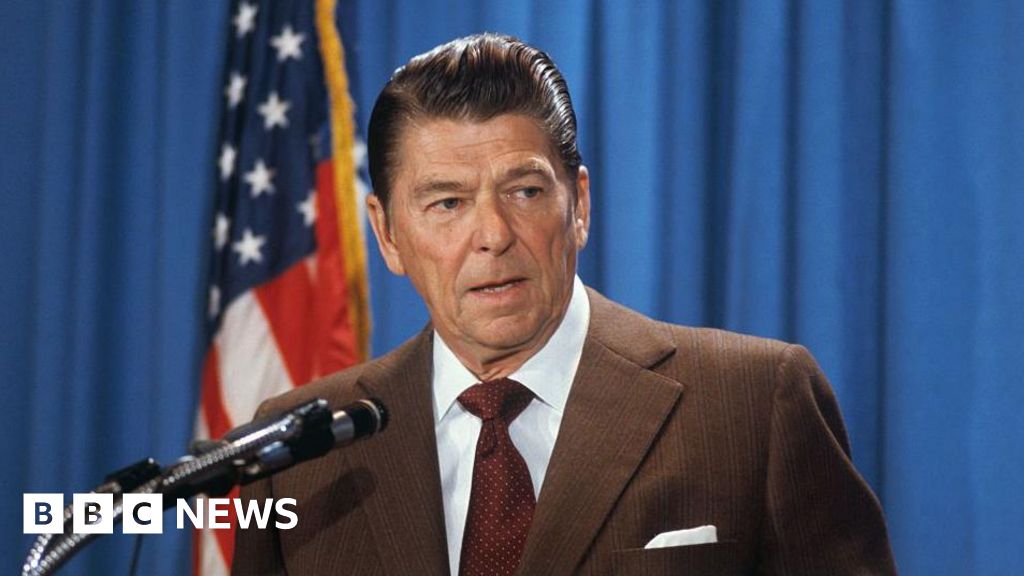
for decades,the debate surrounding tariffs and trade policy has shaped economic landscapes worldwide. Recently, a resurfaced advertisement featuring former President Ronald Reagan has sparked renewed discussion about the dangers of protectionism and the benefits of free trade. This piece delves into the core arguments presented by Reagan, the past context supporting his claims, and why these principles remain vitally meaningful for your economic future.
The Downward Spiral of Trade Wars
High tariffs, while seemingly designed to protect domestic industries, inevitably trigger a cycle of retaliation. Foreign countries respond wiht their own tariffs, escalating into what are commonly known as trade wars. This isn’t just economic posturing; it has real-world consequences.
Here’s how the cycle unfolds:
* Increased Costs: Tariffs artificially inflate the price of imported goods.
* Retaliation: Other nations impose tariffs on your exports, making them more expensive and less competitive abroad.
* Reduced Competition: Trade barriers limit choices and stifle innovation.
* Economic Contraction: Ultimately, markets shrink, businesses struggle, and job losses mount.
Reagan powerfully articulated this point, warning that tariffs “subsidize inefficiency and poor management,” leading to decreased consumer purchasing power and ultimately, economic decline.
A Historical Echo: The Great Depression
The dangers of protectionism aren’t theoretical. History provides a stark warning. Reagan himself drew a direct line between the high tariff legislation enacted during the Great Depression and the deepening of that economic crisis.
Experts widely agree that the Smoot-Hawley Tariff Act of 1930, which raised tariffs on thousands of imported goods, significantly worsened the Depression. It strangled international trade, exacerbated unemployment, and prolonged economic suffering.This serves as a crucial lesson: isolating your economy through protectionist measures rarely leads to prosperity.
The Path to Prosperity: Free and Fair Competition
Throughout the world, a growing consensus recognizes that the key to widespread economic success lies in embracing free and fair competition. Rejecting protectionist policies and fostering open markets allows for:
* Increased Efficiency: Competition drives businesses to innovate and become more efficient.
* Lower Prices: Consumers benefit from a wider range of choices and more affordable goods.
* Economic Growth: Open trade stimulates economic activity and creates opportunities for expansion.
* Stronger Global Relationships: Free trade fosters cooperation and strengthens international ties.
This isn’t simply about abstract economic theory. It’s about real jobs, thriving businesses, and a higher standard of living for everyone.
America’s Economic Future is at Stake
The principles of free trade aren’t relics of the past; they are essential to securing america’s economic future. As Reagan emphasized, “America’s jobs and growth are at stake.”
Protecting your economic well-being requires a commitment to policies that promote open markets, reduce trade barriers, and encourage fair competition. Ignoring these lessons risks repeating the mistakes of the past and jeopardizing the prosperity of future generations.
It’s vital to remember that while navigating the complexities of global trade requires careful consideration, abandoning the principles of free trade is not the answer. A commitment to open markets, coupled with strategic investments in your workforce and infrastructure, remains the most effective path to sustained economic growth and shared prosperity.
Worth a look