
Real estate professionals looking to advance their careers are increasingly turning to specialized certification programs to distinguish themselves in a competitive global market. The CIBIR, or Curso Integral de Bienes Raíces, has emerged as a framework for agents seeking to formalize their expertise in property commercialization, legal foundations, and digital marketing. According to industry standards for professional development, these programs serve as a mechanism to standardize service quality and improve consumer protection in property transactions.
For agents, the decision to pursue additional certification often hinges on the need to navigate complex regulatory environments. In many jurisdictions, real estate licensing requirements have become more stringent to address transparency concerns. As reported by the Organisation for Economic Co-operation and Development (OECD), the formalization of service providers in the housing sector is a critical step toward improving market efficiency and reducing the risk of financial loss for both buyers and sellers.
Core Competencies in Modern Real Estate
Professional development in the sector currently emphasizes a multidisciplinary approach. Programs like the CIBIR typically concentrate on four pillars: legal frameworks, property valuation, commercialization processes, and digital marketing. These pillars reflect the shift from traditional brokerage to a more data-driven, advisory-focused role. The National Association of Realtors (NAR) notes that modern agents are expected to possess not only sales skills but also a working knowledge of local property laws and the ability to leverage digital tools to reach international investors.
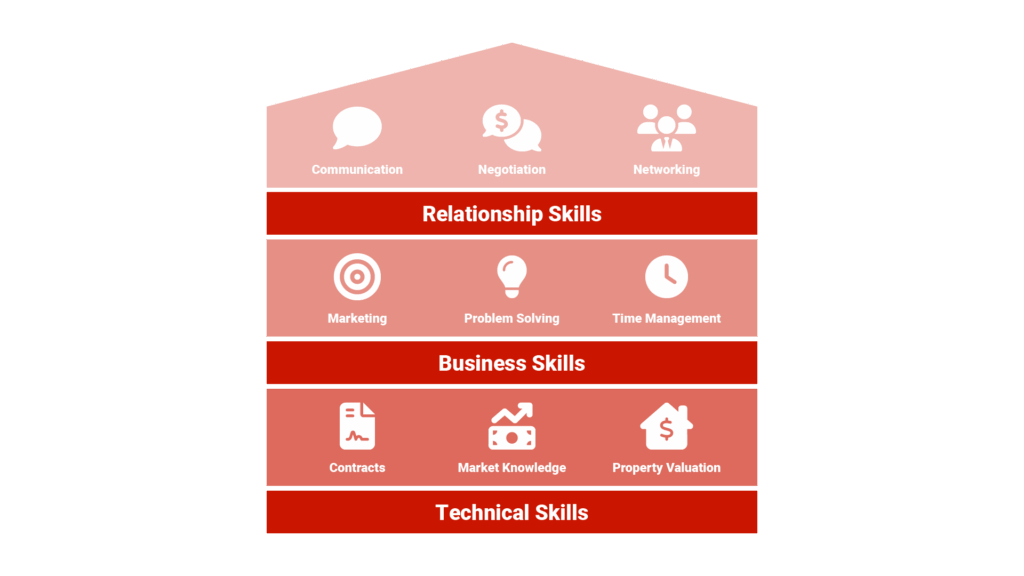
Legal literacy remains the cornerstone of the profession. Understanding the nuances of property title verification, contract law, and local zoning ordinances protects both the client and the agent. Furthermore, the ability to conduct accurate property valuations—using comparative market analysis rather than speculative pricing—is essential for maintaining market stability. In volatile economic climates, the accuracy of these valuations can dictate the speed and success of a transaction.
The Shift Toward Digital Commercialization
The integration of digital marketing into real estate practices has moved from an optional advantage to a fundamental necessity. As consumers increasingly initiate property searches online, the ability to manage a digital footprint—through search engine optimization, social media strategy, and targeted advertising—has become a primary differentiator. Research from the World Economic Forum highlights that the digitalization of real estate services has lowered entry barriers for new participants while simultaneously raising the standard for professional conduct and transparency.
Industry Implications and Next Steps
The pursuit of professional certification is often a response to increased scrutiny from financial regulators. As global markets fluctuate, the demand for agents who can provide verified, data-backed insights is rising. According to the International Monetary Fund (IMF), real estate markets remain a significant component of household wealth and financial stability, making the professionalism of intermediary actors a matter of broader economic health.
For those interested in the next steps, industry bodies typically provide updated calendars for certification exams and workshops. Readers are encouraged to check with their local real estate boards or national regulatory agencies to verify the accreditation status of any program they consider. Further updates regarding industry standards and regulatory changes are expected to be released by national housing authorities in the coming quarter. We invite readers to share their experiences with professional development in the real estate sector in the comments section below.
Worth a look