
The Munich City Museum, known locally as the Münchner Stadtmuseum, has launched a series of public engagement events under the banner “Mittendrin,” aimed at exploring the historical and social layers of the city’s districts. These programs, which are coordinated in partnership with the Geschichtswerkstatt Ludwigvorstadt-Isarvorstadt, provide residents and visitors with opportunities to participate in guided tours, historical discussions, and neighborhood-focused exhibitions. According to the Münchner Stadtmuseum official portal, these initiatives serve to bridge the gap between institutional collections and the lived experiences of Munich’s diverse urban population.
The “Mittendrin” series focuses on the decentralization of cultural history, moving beyond the museum’s central galleries to engage directly with the neighborhoods that define Munich’s character. By collaborating with local historical workshops—or Geschichtswerkstätten—the museum aims to document the evolution of districts such as Ludwigvorstadt and Isarvorstadt. These areas, which have undergone significant architectural and demographic shifts over the last century, remain central to the city’s identity, as noted by the City of Munich’s cultural department.
Understanding the “Mittendrin” Initiative
The core objective of the “Mittendrin” program is to foster a deeper understanding of urban development through community-led research. Unlike traditional museum exhibits that rely solely on curators, this project invites local residents to contribute their own narratives and archival materials. This collaborative approach is designed to preserve local heritage that might otherwise be lost to rapid modernization. The Münchner Stadtmuseum is currently undergoing a extensive renovation, and these outreach events provide a vital connection to the public while the main building remains closed to visitors.
Participation in these events is structured to be as accessible as possible. Most sessions under the “Mittendrin” framework do not require advance registration, allowing for spontaneous attendance from interested community members. This open-door policy reflects the museum’s commitment to democratic history-making, where the barriers to entry are minimized to encourage diverse perspectives on the history of Munich’s neighborhoods.
The Role of Local Historical Workshops
The partnership with the Geschichtswerkstatt Ludwigvorstadt-Isarvorstadt is a critical component of the museum’s strategy. These local workshops are autonomous groups of citizens who dedicate their time to researching the micro-histories of their immediate surroundings. By integrating these grassroots efforts into the formal structure of the city museum, the project gains an authenticity that professional historiography sometimes lacks. According to the official city portal for Munich, such collaborations are essential for maintaining a living record of the city’s social fabric.

The neighborhoods of Ludwigvorstadt and Isarvorstadt are particularly significant due to their proximity to the city center and their complex history as hubs for migration, commerce, and industrial change. Events often include walking tours that highlight specific sites of historical significance, such as former commercial storefronts, communal housing blocks, and locations that served as focal points for local activism. These tours are typically led by historians or long-term residents who provide a narrative context that connects physical landmarks to broader social trends.
How to Participate and What to Expect
Readers interested in attending these events can find updated schedules through the Münchner Stadtmuseum’s calendar of events. Because the program is designed for public accessibility, organizers typically provide information in both German and English to accommodate international visitors. As the museum continues its multi-year renovation project, these off-site programs remain the primary way for the public to engage with the museum’s mission regarding local history.
Visitors should be aware that because these events often take place outdoors or in community spaces, they are subject to weather conditions and local venue availability. It is recommended to check the official museum website 24 to 48 hours prior to an event for any last-minute scheduling changes or specific meeting point instructions. The museum’s staff emphasizes that these meetings are not just educational, but serve as a forum for residents to share their personal stories, which are often recorded or archived as part of the “Mittendrin” documentation process.
Future Outlook for the Münchner Stadtmuseum
The “Mittendrin” series is expected to continue throughout the duration of the museum’s renovation, which is projected to span several years as the facility undergoes a comprehensive modernization. This period of transition has prompted the museum to rethink its relationship with the city, shifting from a static repository of artifacts to a dynamic entity that exists within the streets and squares of Munich. For those interested in the long-term plans for the institution, the official renovation project page offers details on the expected timeline and the new curatorial concepts being developed.
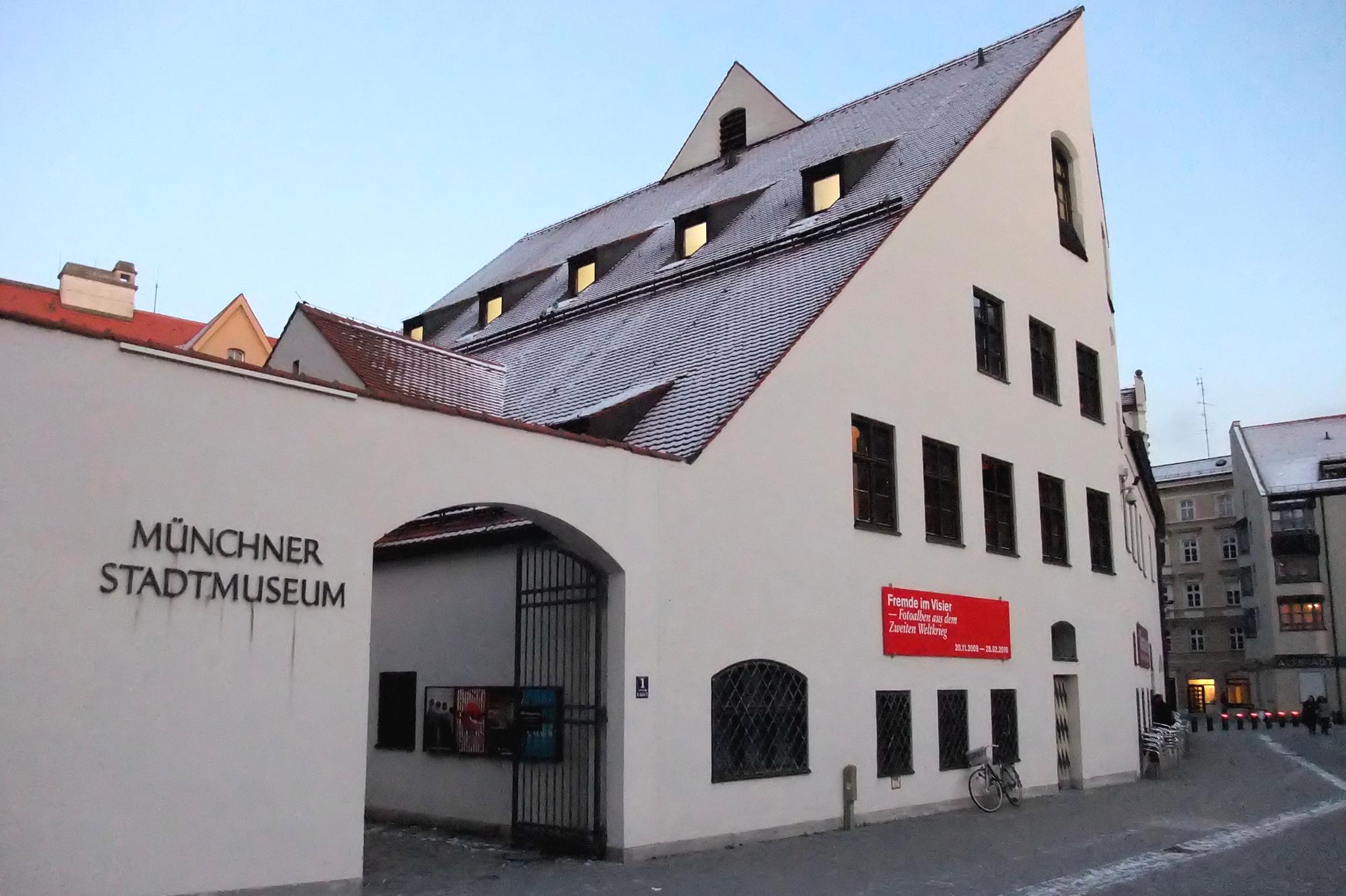
As the project evolves, the museum plans to aggregate the findings from these neighborhood events into a digital archive that will be accessible to the public upon the completion of the main building’s refurbishment. This digital repository will likely include oral histories, photographs, and documents unearthed by the Geschichtswerkstatt participants. Updates on the progress of this archive and the next series of “Mittendrin” events will be posted on the museum’s official digital channels as they become available. Readers are encouraged to share their own experiences or insights regarding the history of their Munich districts in the comments section below.