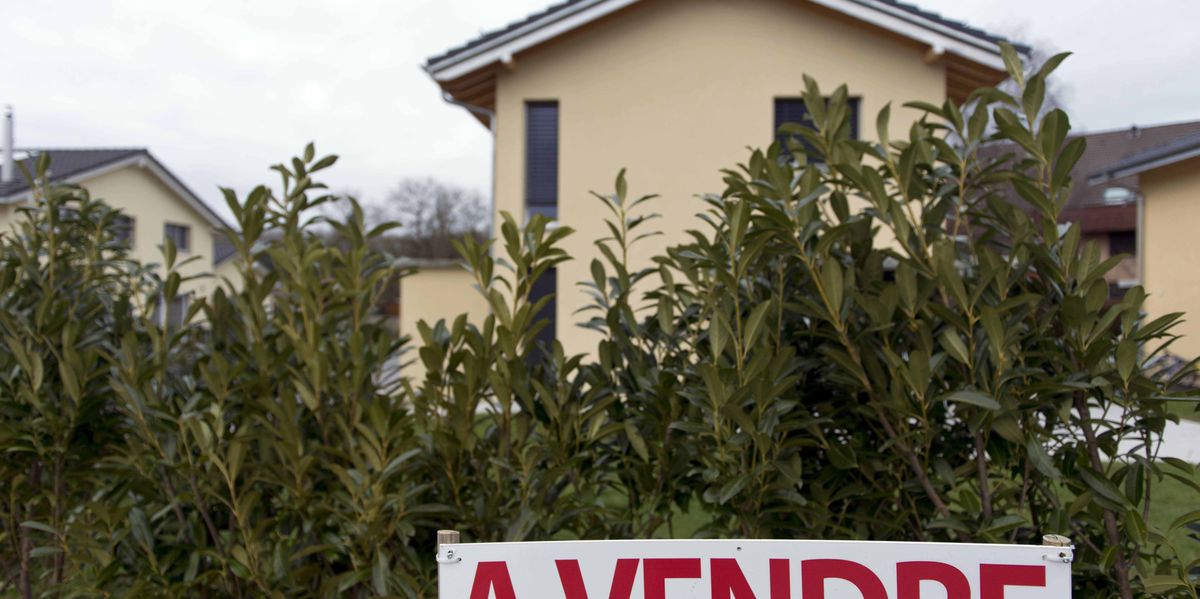
The Swiss real estate market in the French-speaking region, known as the Romandie, is currently experiencing significant price disparities, with valuations shifting drastically between the shores of Lake Geneva and the Jura mountains. Recent market analysis highlights that geographic location remains the primary driver of these valuation gaps, as buyers face vastly different financial commitments depending on the canton and proximity to major economic hubs.
Regional Price Volatility and Geographic Drivers
Property values across Western Switzerland are not uniform, reflecting a landscape where urban density and access to international employment centers create high-demand corridors. According to data from the Swiss Federal Statistical Office (FSO), the divergence in square-meter pricing is particularly pronounced when comparing the Lake Geneva basin—often characterized by high demand from international professionals and proximity to Geneva and Lausanne—with more rural or elevated regions in the Jura. This “great divide” in pricing is sustained by limited land availability in central cantons and varying tax structures that influence buyer appetite.
Market observers note that the price per square meter in cities like Geneva consistently ranks among the highest in Europe, a trend reinforced by the UBS Real Estate Bubble Index, which monitors risk levels across Swiss housing markets. While properties in the Jura offer more space and lower entry costs, they lack the high-frequency transport links and proximity to multinational headquarters that underpin the premium valuations in the Lake Geneva region.
Economic Determinants of Property Costs
Several structural factors contribute to the ongoing price gap between these regions. The scarcity of buildable land in the cantons of Geneva and Vaud serves as a permanent upward pressure on prices. Conversely, regions in the Jura are often subject to different zoning regulations and development constraints that, while intended to preserve the landscape, also dictate the pace of new housing supply.

Interest rate environments also play a critical role. Following the Swiss National Bank (SNB) decisions regarding policy rates, mortgage costs have fluctuated, impacting the purchasing power of households differently across the region. Higher-income earners in the Lake Geneva area are often better positioned to absorb these costs, further insulating the luxury market from broader economic cooling compared to more budget-sensitive segments in the Jura.
Navigating the Current Housing Climate
For prospective buyers and investors, understanding the specific micro-market is essential. The “great divide” is not merely about geography; it is about the trade-off between lifestyle preferences and commute-time costs. Experts generally advise that those seeking value must account for the hidden costs of homeownership in Switzerland, which include property transfer taxes, maintenance reserves, and the imputed rental value tax—a unique feature of the Swiss tax system that continues to be a subject of political debate.
Furthermore, the availability of financing remains tied to strict capital adequacy requirements imposed by the Swiss Financial Market Supervisory Authority (FINMA). These regulations ensure that lending institutions maintain stability, but they also serve as a barrier for entry-level buyers, particularly in high-price zones where the 20% equity requirement represents a significant capital outlay.
Looking Toward Upcoming Market Adjustments
The next major checkpoint for the sector will be the release of the upcoming Residential Property Price Index (RPPI), which provides the official benchmark for quarterly price movements across the Swiss cantons. Market participants are also awaiting further guidance from the Swiss National Bank regarding future interest rate cycles, as any shift will directly impact mortgage affordability and, consequently, the price-to-rent ratios in the Romandie.

As the market continues to evolve, property owners and prospective buyers are encouraged to consult official cantonal registries and updated valuation reports to stay informed. Share your thoughts on the current state of the market in the comments section below.