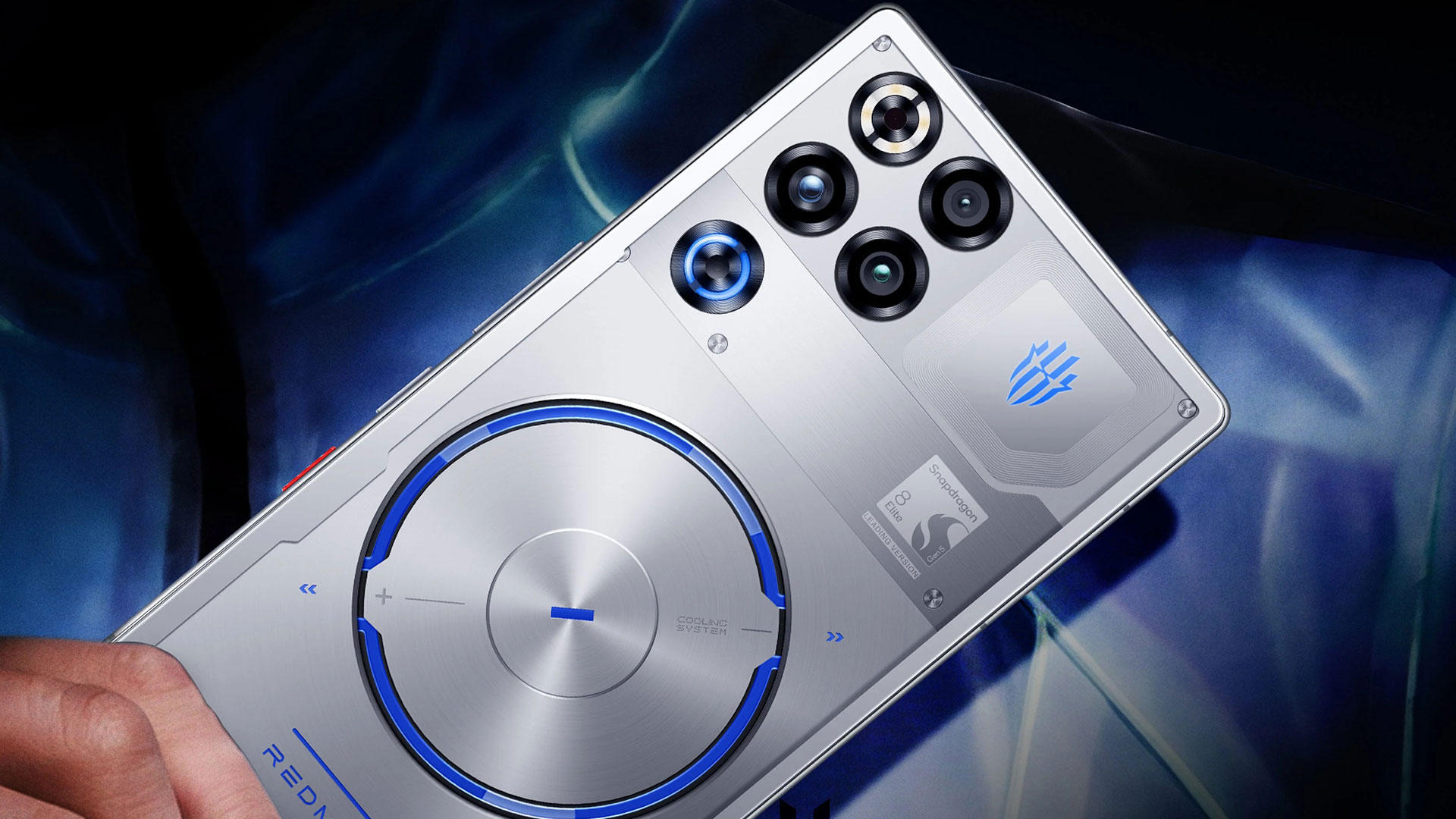
The Red Magic 11S Pro has achieved a significant milestone in mobile performance, surpassing the 4 million point threshold on the AnTuTu benchmark. This development marks a notable shift in the competitive landscape of high-performance gaming smartphones, as manufacturers continue to push the boundaries of mobile processing power and thermal management systems.
For enthusiasts tracking the evolution of mobile hardware, this record-breaking performance serves as a current benchmark for what modern flagship silicon can achieve under synthetic testing conditions. The AnTuTu platform remains a primary resource for evaluating the integrated performance of CPU, GPU, and memory architecture in consumer mobile devices, according to the AnTuTu benchmark official methodology.
Understanding the AnTuTu Benchmark Performance
The AnTuTu benchmark evaluates mobile devices across four primary categories: CPU, GPU, memory, and user experience (UX). Achieving a score exceeding 4 million points indicates that the Red Magic 11S Pro is leveraging advanced chipset capabilities—typically utilizing the latest generation of Qualcomm Snapdragon hardware—to optimize data throughput and frame rendering.
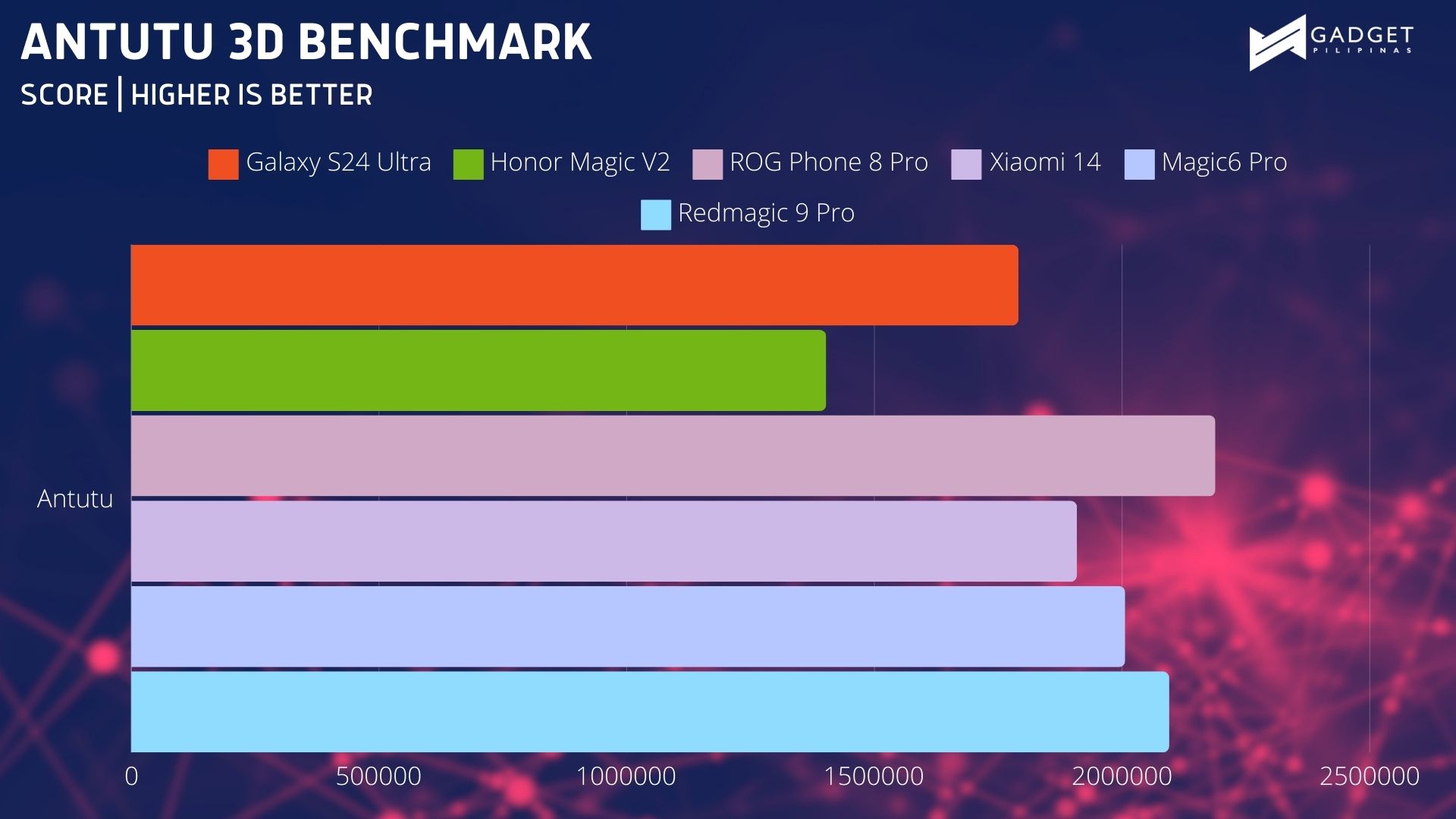
When a device hits these high-tier scores, it is often due to a combination of high-clock-speed processors and aggressive thermal cooling solutions, which prevent the “throttling” that usually occurs when a phone generates significant heat during intensive tasks. As noted in industry reporting, mobile devices that prioritize gaming performance often integrate active cooling fans or specialized vapor chambers to maintain these peak levels of operation for longer durations.
Hardware Integration and Thermal Design
The jump to the 4 million point range is not merely a result of raw processing power, but also of how the device handles sustained workloads. The Red Magic series has historically focused on internal active cooling, a design philosophy that differentiates these handsets from standard consumer flagships. By cooling the motherboard and the processor directly, the device can sustain higher frequencies that would otherwise be restricted by the thermal limits of a passively cooled chassis.
Industry analysts often point out that while synthetic benchmarks like AnTuTu provide a standardized way to compare hardware, real-world performance is also dictated by software optimization and the efficiency of the operating system’s background processes. Users looking for the latest technical specifications and verified performance data can monitor updates through official manufacturer channels or standardized device databases such as the AnTuTu Ranking page.
What This Means for the Smartphone Market
The achievement of this score suggests that the gap between mobile gaming hardware and portable consoles continues to narrow. As developers create more demanding mobile titles, the hardware requirements for high-fidelity graphics and stable frame rates have risen, pushing smartphone manufacturers to adopt more sophisticated cooling and faster storage standards like UFS 4.0.

For the consumer, this performance tier means that multitasking, high-resolution gaming, and heavy computational tasks are handled with increased fluidity. However, as these devices push toward higher performance, the demand on battery life and power management also increases. Prospective buyers should look for balanced reviews that detail not only peak benchmark performance but also battery longevity and thermal stability during extended use.
As of June 2026, the industry continues to monitor how these high-performance trends influence the release cycles of upcoming flagship devices. The next scheduled industry updates regarding mobile hardware standards are expected to occur during the upcoming semiconductor and mobile hardware trade cycles, where manufacturers typically detail their roadmap for the next generation of mobile processors.
We invite our readers to share their thoughts on the evolution of mobile gaming hardware in the comments section below. Do you prioritize raw benchmark scores when selecting your next smartphone, or do you prefer to focus on software features and daily usability?