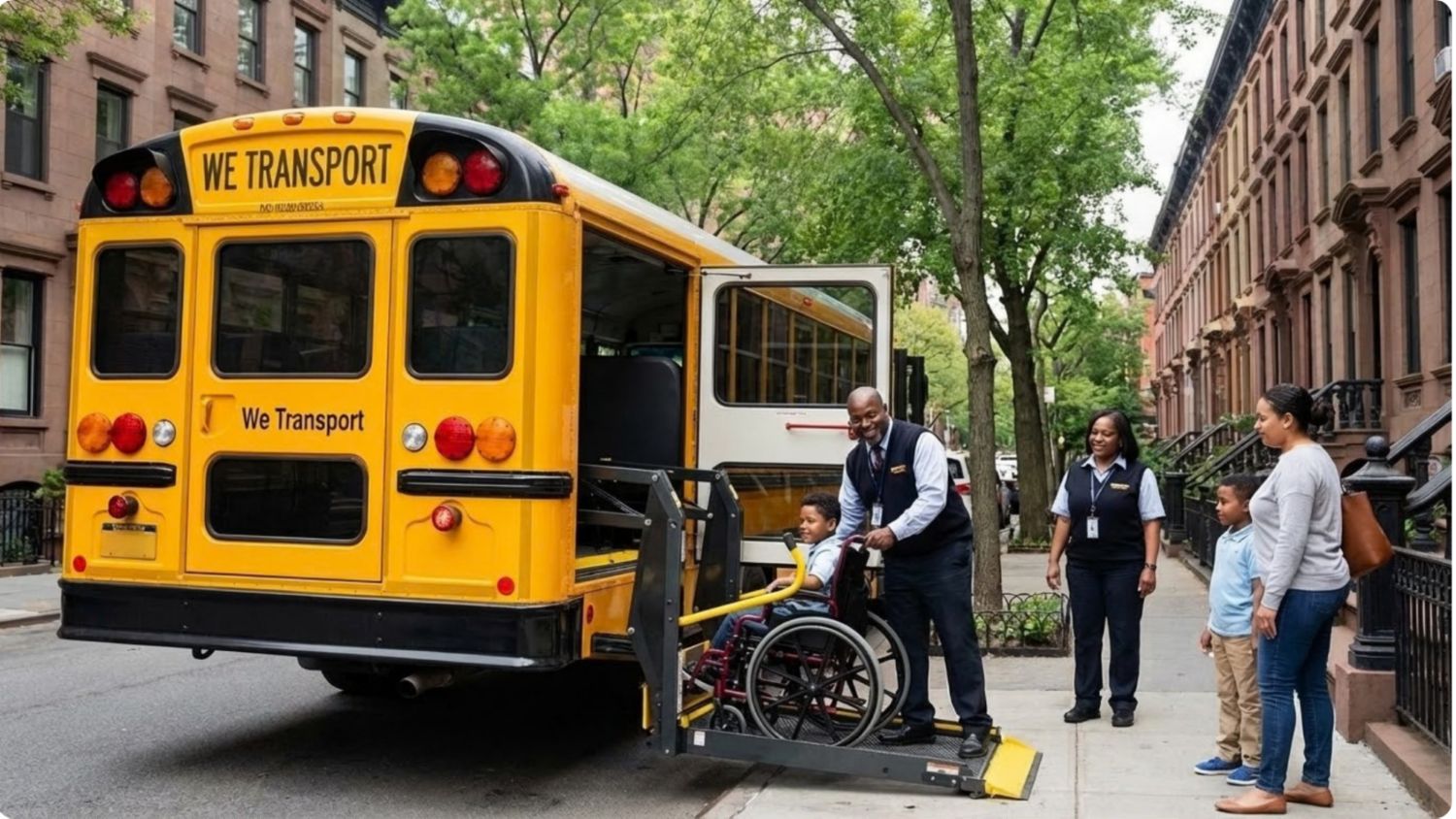
Belgium is reforming student transport for special education to eliminate excessively long commutes, with Minister Demir targeting a full implementation by 2028. The plan focuses on reducing bus travel time by increasing on-site childcare and optimizing transport routes to ensure students spend less time in transit and more time in the classroom, according to reports from VRT and Nieuwsblad.
The reform addresses a systemic issue where students in special education (buitengewoon onderwijs) often face “endless” journeys to reach specialized facilities. Minister Demir has characterized the current state of transport as unsustainable, stating it is “painfully clear” that the existing system cannot continue. The primary goal of the overhaul is to place the student at the center of the logistics process, shifting away from a model that prioritizes administrative convenience over student well-being.
Under the new guidelines established by the Belgian government, the strategy involves a two-pronged approach: reducing the necessity of long-distance travel through localized care and restructuring how buses are deployed. By expanding school-based childcare and support services, the government aims to decrease the frequency and duration of trips for the most vulnerable learners.
Demir’s 2028 Timeline for Transport Reform
The Belgian government has set a definitive deadline of 2028 to complete the restructuring of student transport for special education. According to TV Limburg, this timeline allows for a phased transition, giving schools and transport providers time to adapt to new routing and childcare requirements.

A central component of this plan is the “student-centric” approach. According to Focus and WTV, the government intends to analyze current travel patterns to identify the most inefficient routes and replace them with more localized solutions.
Reducing Travel Times via On-Site Childcare
According to Nieuwsblad, the logic is that by providing more robust support and care services at the school site, the pressure to transport students back and forth for every minor transition or support service is reduced.
Impact on Special Education Stakeholders
According to HBVL, the Minister’s approach is described as “pulling everyone into the bath,” suggesting a comprehensive and perhaps disruptive transition that requires cooperation from all parties.
Frequently Asked Questions about the Transport Reform
When will the changes be fully implemented?
The Belgian government aims to have the reform of student transport for special education completed by 2028.
What is the main goal of the reform?
The primary objective is to reduce the length of commutes for students in special education and ensure the student’s needs remain the central priority of the transport system.
How will the government reduce bus travel?
The plan involves increasing on-site childcare at schools and optimizing bus routes to eliminate unnecessary travel time.
Who is leading this initiative?
Minister Demir is overseeing the reform of the transport system for special education.
We invite readers to share their perspectives on these educational reforms in the comments section below.
Keep reading