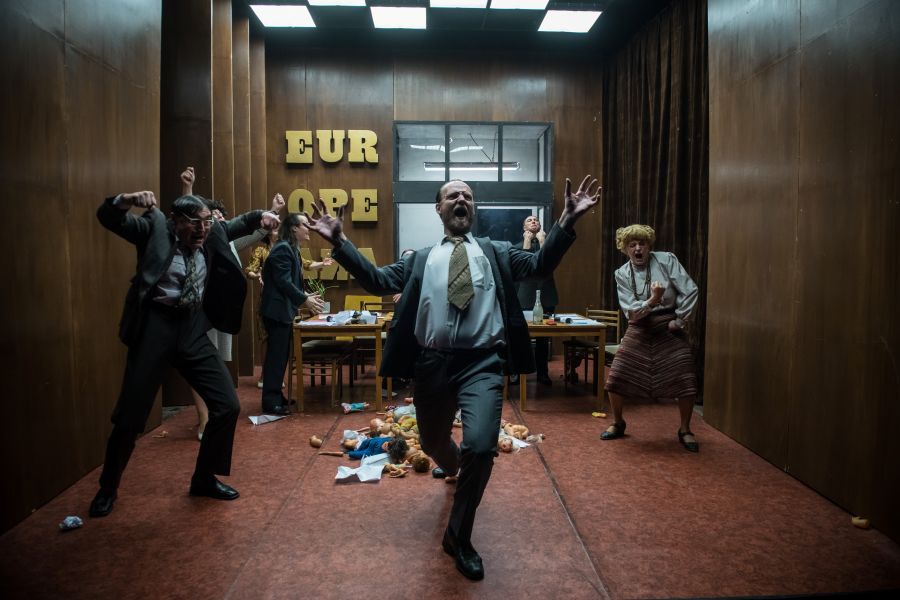
In the heart of New York City, the intersection of political legacy and contemporary performance art finds a recurring home. The Rehearsal for Truth International Theater Festival, an event rooted in the intellectual and artistic spirit of the late Václav Havel, continues to serve as a vital bridge between the creative landscapes of Central and Eastern Europe and American audiences. As the festival prepares for its upcoming showcase, it invites theatergoers to engage with works that, much like Havel’s own writings, balance a bleak, absurdist wit with an unflinching commitment to human dignity.
The Rehearsal for Truth International Theater Festival, organized by the Václav Havel Library Foundation, is designed to perpetuate the values of the Czech playwright, and statesman. Havel, who famously navigated the transition from dissident intellectual to President of Czechoslovakia and later the Czech Republic, believed that truth-telling was a fundamental act of resistance. By providing a platform for emerging artists from the region, the festival ensures that the dialogue he championed—one that prioritizes moral clarity in the face of political complexity—remains active on the global stage.
The Artistic Legacy of Václav Havel
Václav Havel’s impact on 20th-century drama is defined by his ability to critique authoritarianism through the lens of the “Theater of the Absurd.” Works such as The Garden Party and The Memorandum exposed the dehumanizing nature of bureaucracy and the erosion of language in totalitarian systems. His philosophy, often summarized by his call to “live in truth,” serves as the conceptual foundation for the festival. The event is not merely a series of performances but a continuation of the cultural exchange that Havel viewed as essential for a healthy, functioning society.
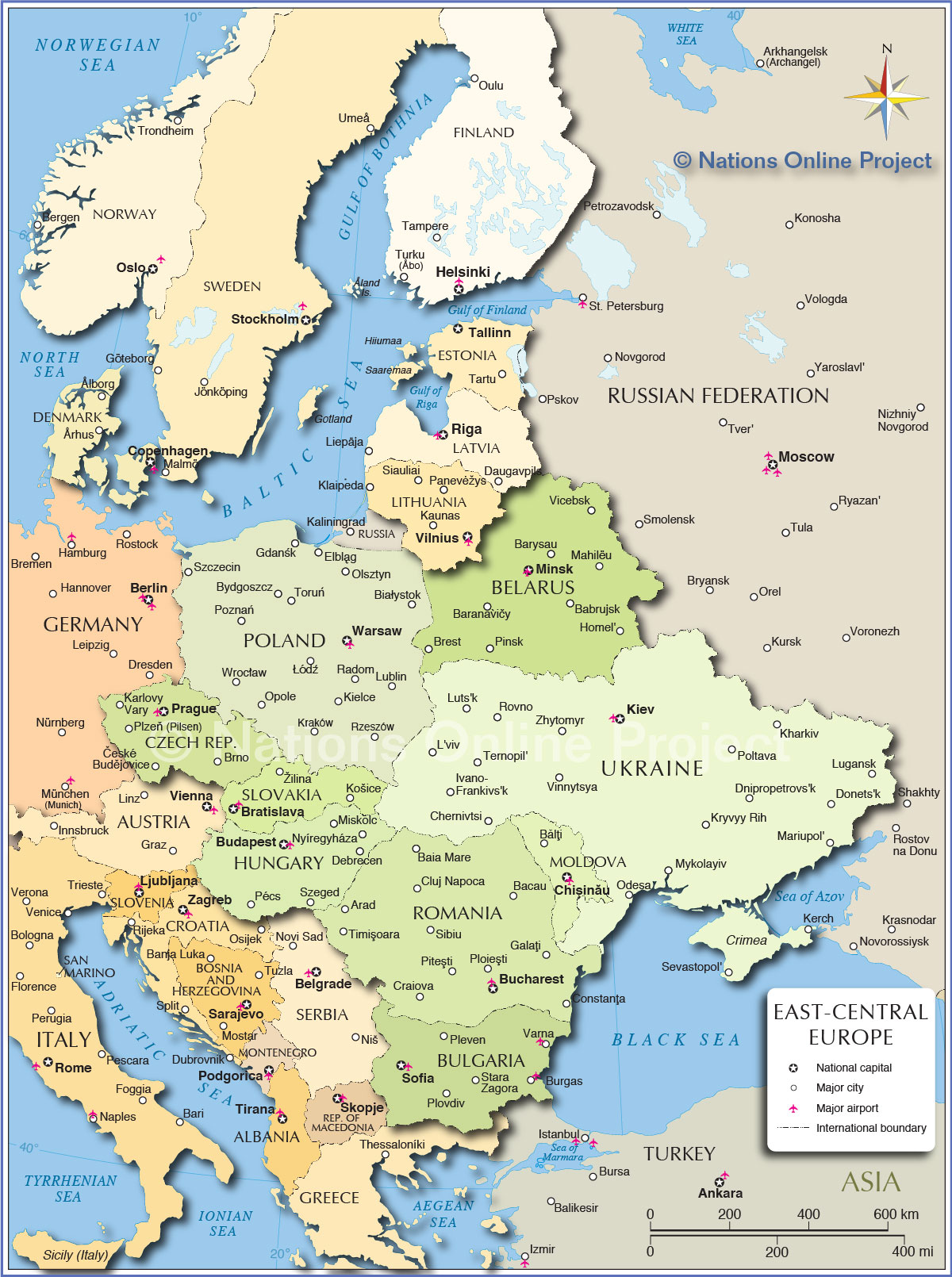
The festival’s title itself—Rehearsal for Truth—reflects the idea that performance is a practice of authenticity. In a world where truth is often obscured by political posturing, the stage provides a space where the complexities of life can be examined without the pressure of immediate policy outcomes. This approach resonates deeply with contemporary artists from Central and Eastern Europe, who continue to grapple with the shifting realities of their nations’ histories and the persistent challenges of civil society.
Showcasing Central and Eastern European Voices
Each year, the festival selects productions that challenge conventional storytelling. These works frequently employ dark humor and surrealist elements to address heavy thematic material, including political corruption, the legacy of the Iron Curtain, and the struggle for personal autonomy. By bringing these narratives to New York, the festival creates an environment where audiences can connect with universal themes of resilience and hope, regardless of geographic distance.
The selection process for the festival emphasizes artistic merit and thematic relevance to the human rights issues that defined Havel’s career. According to the Václav Havel Library Foundation, the goal is to foster a deeper understanding of the Central and Eastern European experience while highlighting the power of art to inspire civic engagement. This mission is particularly poignant in the current geopolitical climate, where the principles of democracy and individual liberty are frequently debated on the international stage.
Why the Festival Remains Essential
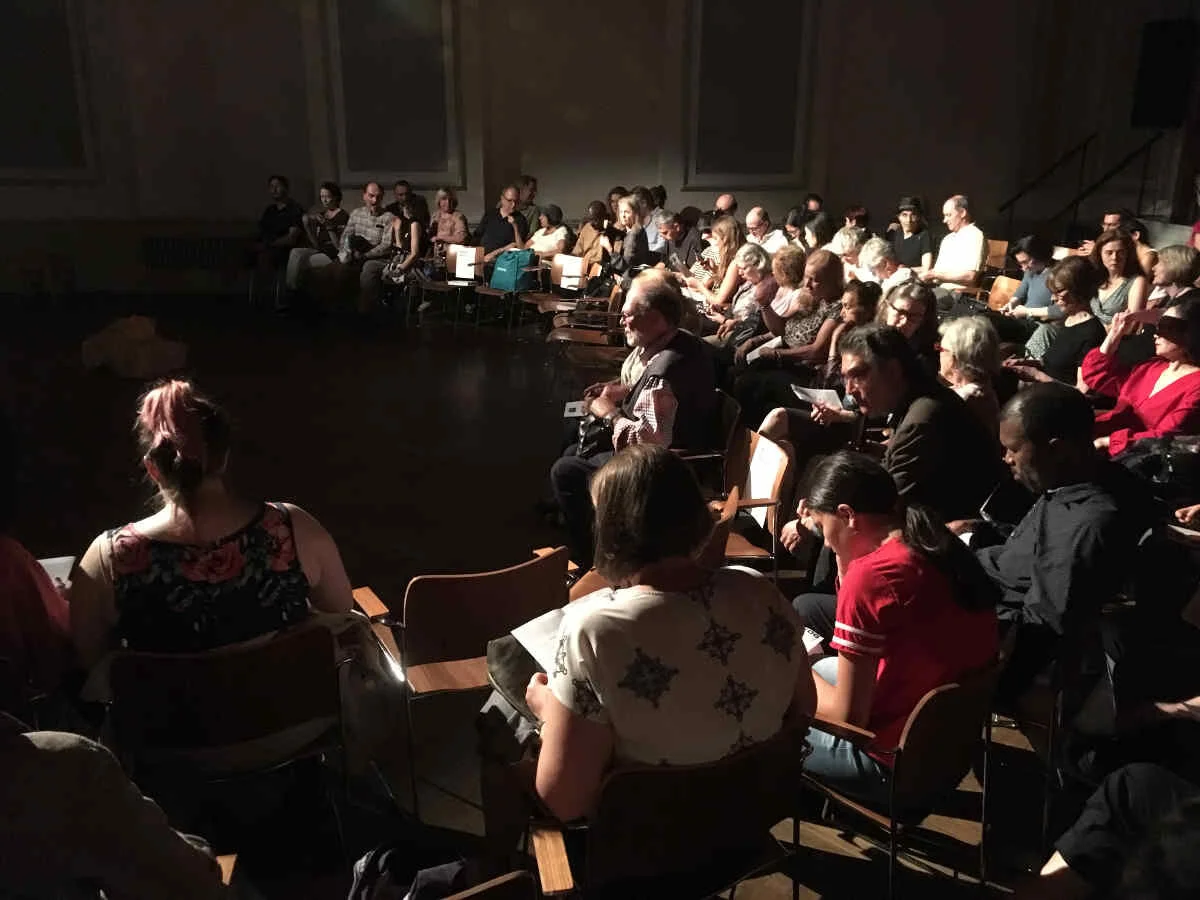
In an era of digital saturation and short-form content, the commitment to live, long-form theater is a deliberate choice. The festival provides a venue for nuanced discussions that often follow the performances, allowing the audience to engage directly with the creators. This interaction is central to the festival’s mission, as it transforms the passive act of watching into an active, communal experience of reflection.
For many attendees, the festival offers a rare window into the artistic evolution of countries that have undergone profound social changes over the past three decades. By showcasing works that explore the “bleakly comic” nature of existence, the festival encourages a more sophisticated understanding of how irony and satire can be used as tools for survival and critique. It suggests that even in the most challenging circumstances, the human spirit can find ways to express truth through the medium of performance.
Key Takeaways for Attendees
- Cultural Exchange: The festival functions as a primary venue for Central and Eastern European playwrights to reach an international audience in New York City.
- Havel’s Philosophy: Programming is curated to reflect Václav Havel’s dedication to intellectual freedom, moral responsibility, and the power of the arts.
- Artistic Tone: Audiences can expect performances that utilize dark, absurdist humor to address serious socio-political questions.
- Engagement: The festival typically includes post-show discussions that facilitate dialogue between artists and the public.
The upcoming iteration of the festival promises to uphold this tradition, providing a space where the legacy of one of the 20th century’s most influential thinkers continues to spark debate and inspiration. As the organizers finalize the schedule and details for next month, the anticipation grows for another season of thought-provoking theater that challenges us to confront the truth, however uncomfortable it may be.

For those interested in the latest schedule, ticket information, and updates on participating artists, official announcements are posted directly by the Václav Havel Library Foundation. We invite our readers to share their thoughts on the role of political theater in modern society in the comments section below.
Keep reading