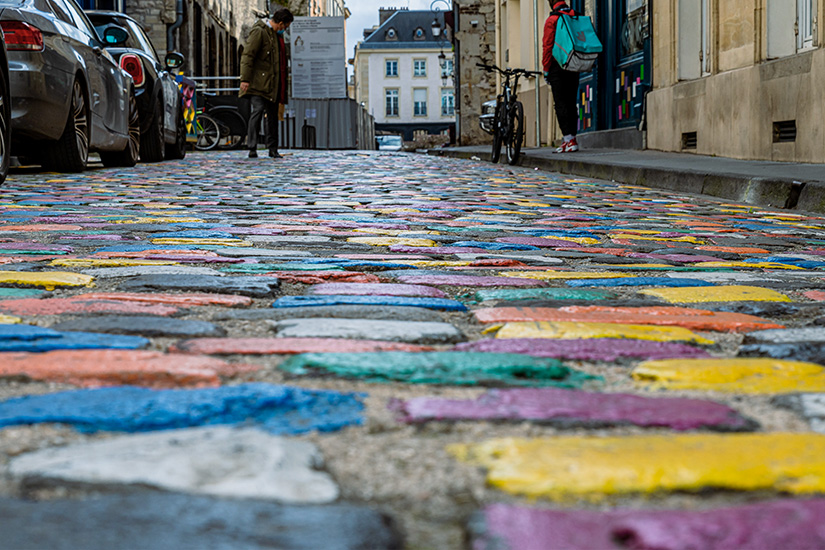
In the heart of northeastern France, the city of Reims is transforming its urban landscape through a vibrant celebration of street art that honors a century of architectural rebirth. As part of the commemoration of the 100th anniversary of its post-World War I reconstruction, Reims has launched an ambitious initiative titled “L’Art déco à Reims – Folies modernes 1925-2025,” weaving contemporary urban expression with the city’s iconic Art Deco heritage.
This cultural project, active throughout 2024 and extending into 2025, positions Reims as a living canvas where internationally recognized street artists engage in dialogue with the past. The program emphasizes community participation, notably through a public vote that selected the central mural to be created by French artist Nadège Dauvergne. Measuring 50 square meters, the artwork adorns the gable of a building in the city center, serving as a focal point for the broader artistic trail.
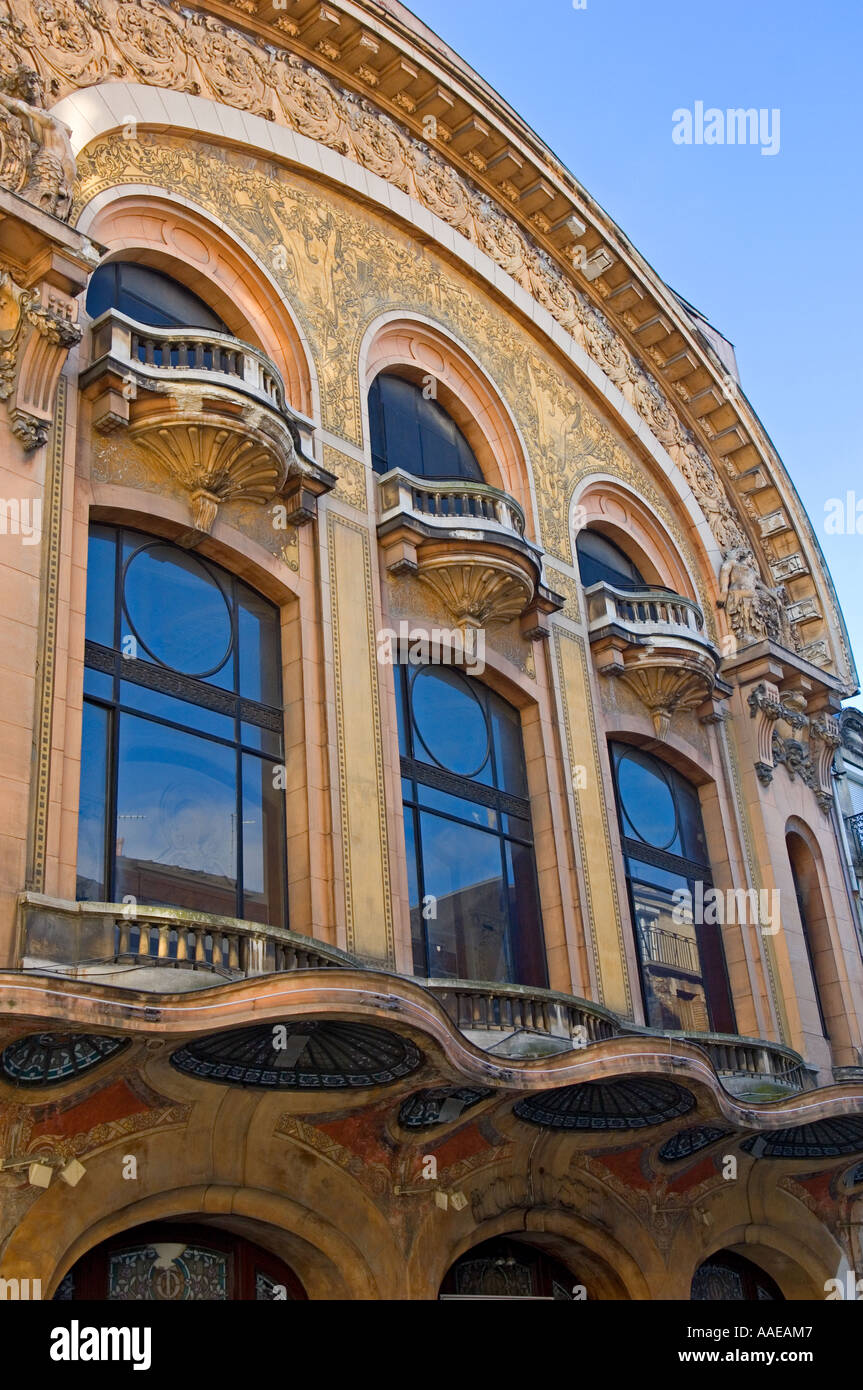
The initiative is not merely aesthetic; it reflects a deeper effort to reconnect residents and visitors with Reims’ identity, forged in the aftermath of devastation. Historical accounts confirm that over 60% of the city was destroyed during the First World War, prompting a bold reconstruction effort in the 1920s that embraced the Art Deco style. Landmarks such as the Opéra de Reims, the Maison commune du Chemin Vert, and the Carnegie Library stand as enduring symbols of this renewal.
Building on this legacy, the 2024–2025 program features contributions from a diverse cohort of artists, including the Spanish duo Reskate, French artist Ememem, and Levalet, a Reims-based creator known for his figurative installations. Their works, executed through varied techniques such as mural painting, collage, and “flacking,” are distributed across nine designated sites in the city’s historic core. These locations were chosen for their symbolic resonance, creating a cohesive narrative that links postwar recovery with contemporary hopes.
According to promotional materials from the city of Reims, the project is supported by municipal services in partnership with local organizations including Le Foyer Rémois, Le Mur de Reims, and Le Comptoir des peintures. The initiative aims to foster cultural accessibility, inviting not only art enthusiasts but as well families, students, and passersby to engage with the evolving streetscape.
Art as Dialogue Between Eras
The thematic core of the Reims street art trail lies in its deliberate juxtaposition of past and present. By inviting urban artists to interpret the motifs and spirit of Art Deco—characterized by geometric forms, symmetry, and optimism—the project creates a visual conversation between the reconstruction era of the 1920s and today’s societal reflections. This approach mirrors broader trends in European cities where heritage conservation is reinterpreted through contemporary art to remain relevant to new generations.
Nadège Dauvergne’s selected mural, developed following a community voting process, exemplifies this intent. While specific iconography of the piece has not been detailed in official releases, the artist is known for her intricate, nature-infused compositions that often explore themes of transformation and resilience—qualities emblematic of Reims’ own history. Her participation, alongside that of Ememem (renowned for his “flacking” technique of repairing cracked pavement with colorful resin mosaics) and Reskate (recognized for their dual-image, anamorphic street art), underscores the program’s commitment to artistic diversity and technical innovation.
The trail’s structure encourages pedestrian exploration, with each of the nine installations accompanied by contextual information explaining its connection to Art Deco principles or specific architectural elements found elsewhere in the city. This educational layer enhances the experience beyond aesthetics, offering insight into how design movements respond to social trauma and renewal.
Community Engagement and Cultural Impact
A defining feature of the Reims initiative is its emphasis on participatory culture. The decision to let residents vote on the primary mural reflects a growing municipal trend toward co-creation in public art projects. Such processes aim to increase public investment in cultural spaces and ensure that artistic interventions reflect local values rather than external curatorial imposition.
Local reports indicate that workshops and guided tours were organized during the project’s peak months, particularly targeting school groups and neighborhood associations. These activities sought to demystify artistic processes and encourage dialogue about what public space should represent. While precise attendance figures have not been released by municipal sources, observational data from partner organizations suggest strong engagement during weekends and cultural events.
The project also contributes to Reims’ broader cultural strategy, which includes positioning the city as a destination for heritage tourism. Reims, already renowned for its cathedral—where French kings were traditionally crowned—and its champagne houses, now offers an additional layer of modern cultural appeal. By linking its Art Deco architecture to living art practices, the city presents a nuanced narrative that moves beyond wartime memory into ongoing creative reinvention.
Sustainability and Legacy Considerations
Questions about the longevity of street art installations are inherent to the medium, particularly in climates with seasonal weather variations. While the Reims municipality has not publicly disclosed specific preservation plans for the murals, similar initiatives in cities like Lyon and Toulouse have employed protective coatings or scheduled maintenance to extend the lifespan of vulnerable works. The use of durable materials—such as exterior-grade acrylics and sealants—is common in municipally commissioned street art to balance artistic expression with practical endurance.
the ephemeral nature of some techniques, like Ememem’s resin-based pavement repairs, may be intentional, symbolizing the transient yet meaningful nature of urban healing. In interviews, Ememem has described his “flacking” work as a metaphor for tending to collective wounds—a sentiment that resonates deeply in a city rebuilt from ruins.
As the official program timeline extends through 2025, with potential echoes into 2026, city officials have indicated that evaluations will assess both public reception and artistic impact. These findings could inform future iterations of the project or inspire permanent integrations of urban art into Reims’ cultural infrastructure.
Where to Experience the Trail
The street art trail is accessible year-round and free to the public. Visitors can begin at Parc Léo Lagrange, near the Stade Auguste Delaune, and follow a route that extends toward Avenue Paul Marchandeau and through the city center, encompassing the nine designated sites. Maps and interpretive guides are available through the official Reims tourism website and at local information kiosks.
For those unable to travel, digital documentation of the project—including artist interviews, process videos, and high-resolution images—has been shared via the city’s social media channels and partner platforms. These resources offer insight into the conceptual development of each piece and the collaborative spirit behind the initiative.
As Reims continues to navigate its role as a city of memory and innovation, its embrace of street art as a medium for historical reflection presents a model for how communities can honor complexity—not by freezing the past in monument, but by letting it breathe through contemporary voices.
To learn more about upcoming cultural events in Reims or to share your experience of the Art Deco–inspired street art trail, visit the official city website or follow updates from Reims’ cultural services. Join the conversation by commenting below and sharing this story with others who believe in the power of art to reconnect us with history and each other.
Keep reading