
Kevin Klose, the visionary leader who transformed National Public Radio into a reporting powerhouse during his tenure as president from 1998 to 2008, has died at the age of 85. His passing marks the finish of an era for public broadcasting in the United States, where he was widely credited with securing NPR’s financial independence while fiercely protecting its journalistic integrity.
Klose’s leadership came at a pivotal moment for the network. When he assumed the presidency in 1998, NPR was still heavily reliant on federal funding and faced questions about its long-term sustainability. Over the next decade, he spearheaded a strategic shift that diversified revenue streams, expanded the network’s reach, and elevated its reputation for in-depth, investigative journalism—particularly in international reporting.
Under his guidance, NPR established overseas bureaus in key global cities, significantly increasing its capacity to cover world events with nuance, and depth. This expansion coincided with landmark coverage of the September 11 attacks, the wars in Afghanistan and Iraq, and numerous global health and humanitarian crises, cementing NPR’s role as a trusted source for American audiences seeking context beyond headlines.
Klose was not merely an administrator; he was a former journalist and diplomat who brought a deep respect for the craft of storytelling to the executive suite. Before joining NPR, he served as director of the Voice of America and held various roles in international media and cultural diplomacy, experiences that shaped his belief in the power of independent journalism to inform and unite.
His approach balanced fiscal prudence with bold investment in news gathering. Klose championed initiatives that strengthened NPR’s digital presence and supported local member stations, recognizing that the network’s strength lay in its decentralized yet collaborative structure. By the time he stepped down in 2008, NPR had achieved unprecedented financial stability, with growing endowment funds and increased private support reducing its dependence on government appropriations.
Remembering a Broadcasting Icon
Tributes have poured in from across the media landscape following news of Klose’s death. Colleagues and contemporaries describe him as a leader who listened as much as he directed, who valued editorial independence above all, and who understood that public trust is earned through consistency, transparency, and courage in reporting.
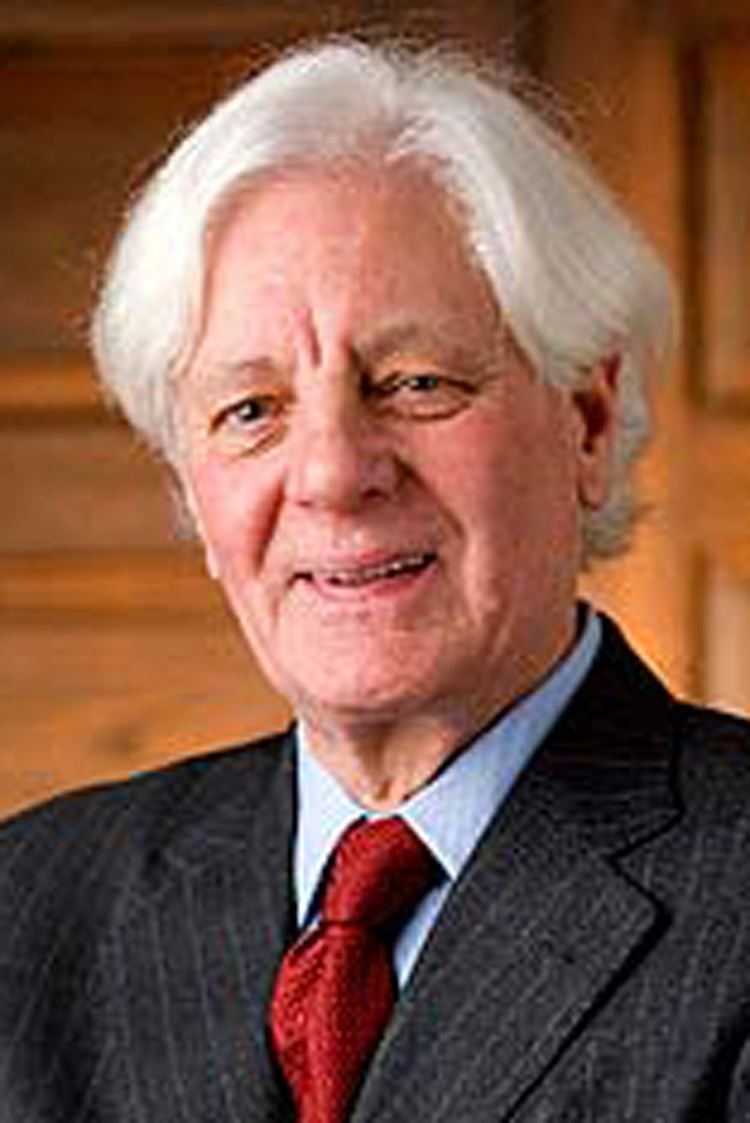
“Kevin didn’t just manage NPR—he believed in it,” said one longtime NPR editor who worked closely with him during the 2000s. “He knew that to serve the public, you had to protect the journalists doing the work, even when it made powerful people uncomfortable.”
His legacy is evident in the way NPR continues to operate today: as a mission-driven organization that prioritizes substantive reporting over sensationalism, maintains rigorous editorial standards, and strives to reflect the diversity of American life in its coverage and staffing.
Klose’s commitment to journalism extended beyond NPR’s walls. He was a vocal advocate for press freedom globally and often spoke about the importance of protecting reporters in conflict zones and authoritarian regimes—a stance informed by his own years working in international broadcasting.
A Life in Service of Public Media
Born in New York City, Klose earned his undergraduate degree from the University of Wisconsin–Madison before pursuing graduate studies in international affairs. His early career included roles at the State Department and the United Nations, where he developed expertise in cross-cultural communication and global information flows.
He joined the Voice of America in the 1960s, eventually rising to become its director in the 1980s—a position in which he navigated the complexities of broadcasting during the Cold War. His tenure at VOA was marked by efforts to modernize its programming and expand its reach into Eastern Europe and the Soviet Union, experiences that later informed his vision for NPR’s global ambitions.
When he transitioned to NPR in 1998, Klose brought with him a nuanced understanding of how public media could serve democratic societies—not as mouthpieces for government, but as independent forums for dialogue, accountability, and informed citizenship.
Throughout his career, he received numerous honors for his contributions to media and public service, including honorary degrees from several universities and recognition from journalism organizations for his leadership during challenging times.
The End of an Era, But Not the End of His Influence
Though Klose stepped down from day-to-day leadership at NPR over a decade ago, his impact continues to shape the network’s values and priorities. Current leaders often cite his emphasis on long-term sustainability and journalistic courage as foundational to NPR’s ongoing mission.
In recent years, NPR has faced new challenges—including evolving media consumption habits, financial pressures in the digital age, and ongoing debates about the role of public broadcasting in a polarized society. Yet the institutional strength Klose helped build remains a critical asset as the network adapts to these realities.
His death invites reflection not only on what he accomplished, but on what public media can achieve when led by individuals who see their role not as administrators, but as stewards of a vital democratic function.
As the journalism industry continues to grapple with questions of trust, funding, and relevance, Kevin Klose’s career stands as a reminder that principled leadership, coupled with a deep respect for the work of reporters, can help sustain vital institutions even in turbulent times.
For those who knew him, worked with him, or simply valued the journalism NPR produced under his guidance, his passing is a moment to honor a life dedicated to the belief that informed citizens are essential to a healthy society—and that public media has a crucial role to play in fostering that informed citizenry.
We invite readers to share their memories of Kevin Klose and reflect on what his legacy means for the future of public broadcasting in the comments below. If you found this piece meaningful, please consider sharing it with others who appreciate thoughtful, fact-based journalism.
Keep reading