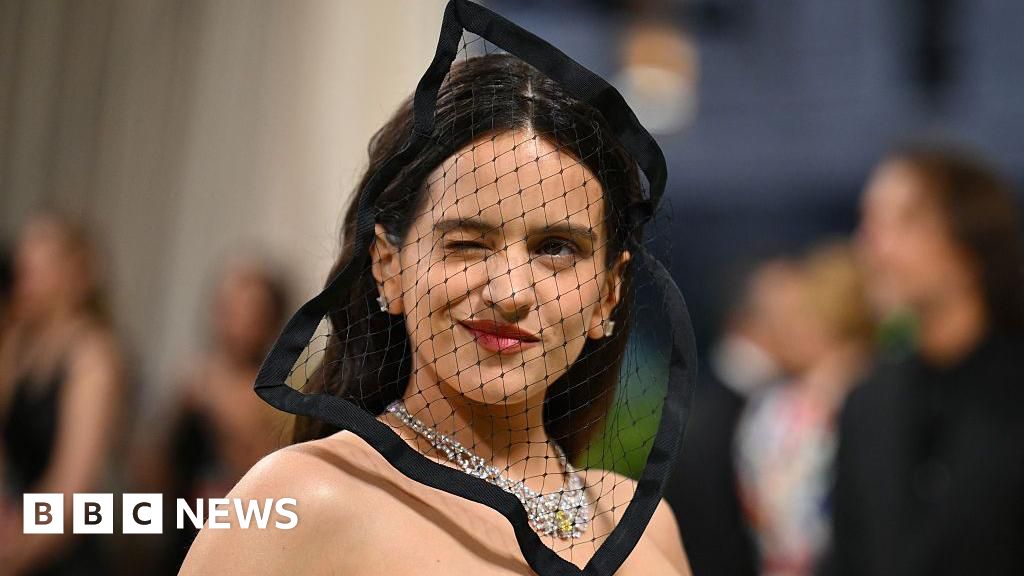
The Welsh National Opera (WNO) has attributed a recent increase in public interest in opera to the influence of Spanish pop star Rosalía and the growing popularity of “opera aesthetics” on social media platforms. According to WNO co-director Adele Thomas, the art form has experienced a “surge of passionate support” in recent years, driven in part by Rosalía’s chart-topping, opera-influenced perform and its resonance with younger audiences online.
Thomas noted that opera no longer feels like a relic of the past but is instead being perceived as a vibrant, contemporary art form. “At the moment we live in a time, where opera, strangely, has been more culturally relevant than maybe it has been for a long time,” she said. She added that misconceptions about opera being merely a historical reenactment have begun to shift, thanks in part to modern interpretations that blend classical traditions with current musical trends.
The WNO’s assessment comes as part of its reflection on eight decades of operation since its founding as an amateur group rehearsing above a garage. Over the years, the company has evolved into a major cultural institution in Wales, known for innovative productions and community engagement. Its recent commentary highlights how digital culture and cross-genre collaborations are helping to expand opera’s reach beyond traditional audiences.
Rosalía, who received classical vocal training early in her career, gained widespread critical acclaim for her 2022 album *Motomami*, which incorporates elements of flamenco, electronic music, and operatic vocal techniques. While her earlier work *El Mal Querer* drew inspiration from flamenco and narrative storytelling, *Motomami* further demonstrated her willingness to experiment with form and structure, drawing praise from music critics for its artistic ambition. Her performance at the 2022 Brit Awards, where she performed the track “Saoko” with a full orchestra and experimental visuals, was widely cited as a moment that brought her genre-blending style to a mainstream international audience.
The concept of “opera aesthetics” has emerged as a distinct trend on visual platforms like Pinterest and TikTok, characterized by dramatic makeup, elaborate costumes, and theatrical styling inspired by operatic productions. Pinterest reported a 55% increase in searches for opera-themed fashion and beauty content over the past year, labeling it one of the platform’s fastest-growing trends. This aesthetic movement has been fueled by users creating short videos that reinterpret operatic themes through a contemporary lens, often set to music by artists like Rosalía or reinterpreted classical pieces.
Classical music experts have pointed to a broader trend of genre fusion as a factor in revitalizing interest in opera. Composers such as Antonio Vivaldi, whose baroque works are frequently reimagined in modern contexts, have seen renewed attention through collaborations that merge classical arrangements with hip-hop, pop, and electronic beats. These hybrid performances, sometimes staged in non-traditional venues, have attracted younger and more diverse audiences who might not engage with conventional opera productions.
The WNO has itself embraced innovation in recent seasons, staging productions that incorporate multimedia elements, modern dress, and reimagined narratives to craft classic works more accessible. While maintaining artistic integrity, the company has sought to balance tradition with experimentation, recognizing that relevance in the 21st century requires adaptation without sacrificing the depth and emotional power of the art form.
Industry observers note that the intersection of social media, celebrity influence, and institutional openness to change is creating new pathways for opera to remain culturally significant. As Thomas emphasized, the goal is not to dilute opera’s complexity but to invite new listeners into its world by meeting them where they are—online, in playlists, and through shared visual culture.
For ongoing updates on the Welsh National Opera’s season, educational initiatives, and performance schedules, audiences can refer to the company’s official website and verified cultural news outlets.
What are your thoughts on how pop culture is shaping the future of traditional art forms like opera? Share your perspective in the comments below and spread the conversation by sharing this article with others who appreciate the evolving world of music and performance.
Keep reading