Rennes, France – A looming crisis threatens the vibrant non-profit sector in Rennes, as associations grapple with dwindling public funding and a surge in demand for their services. The situation, described by leaders as a potential “mass layoff plan,” is prompting urgent calls for increased volunteer support and a re-evaluation of public funding priorities.
The challenges facing Rennes’ associations are multifaceted. According to René Mélou, president of France Bénévolat 35, approximately 7,000 associations operate within the city, collectively employing around 14,000 individuals. Mélou, a long-standing advocate for the volunteer sector, warns that cuts to public subsidies are directly responsible for a projected loss of 1,500 to 2,000 jobs. This reduction in paid staff places immense pressure on organizations to maintain essential services.
The Impact of Funding Cuts on Local Associations
The decline in public funding isn’t a new phenomenon, but its impact is becoming increasingly acute. Associations across a wide spectrum of services – from supporting vulnerable populations to promoting cultural and environmental initiatives – are feeling the strain. Without sufficient financial resources, many organizations are forced to reduce their programs, limit their outreach, or, as Mélou suggests, resort to staff reductions. This creates a ripple effect, impacting the communities they serve and potentially leading to a decline in vital social safety nets.
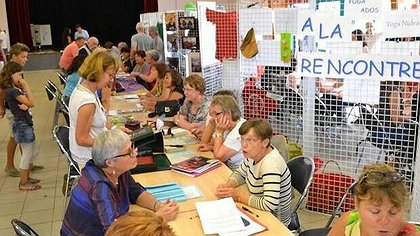
The Forum du Bénévolat, organized by France Bénévolat 35 and scheduled for October 2, 2025, at the Halle Martenot in Rennes, is a direct response to this growing need. The event, which will bring together nearly 140 local associations, aims to connect potential volunteers with organizations seeking support. Entry to the forum is free and organizers hope it will serve as a catalyst for increased civic engagement.
A Growing Need for Volunteers
The urgency of the situation is underscored by data highlighting a pre-existing volunteer deficit. A 2022 survey conducted by the City of Rennes revealed that 55% of associations reported a shortage of volunteers. This shortfall has been exacerbated by the economic pressures and changing priorities following the COVID-19 pandemic, even as René Mélou notes that the pandemic also sparked a new wave of potential volunteers.
France Bénévolat 35 plays a crucial role in bridging the gap between associations and individuals interested in volunteering. For 33 years, the organization has provided guidance and support to both parties, matching volunteers with missions aligned with their skills and availability. This personalized approach is essential in ensuring that volunteers are effectively utilized and that associations receive the assistance they need.
The Diverse Landscape of Volunteer Opportunities
The opportunities for volunteering in Rennes are remarkably diverse. Individuals can contribute their time and talents to a wide range of causes, including supporting individuals facing hardship, participating in cultural and sporting activities, and protecting the environment. Commitment levels vary, from occasional assistance to regular, long-term engagement. This flexibility makes volunteering accessible to individuals with diverse schedules and interests.
The current situation demands a collective response. Associations are actively seeking volunteers to fill critical roles, both on the ground and in administrative support functions. The Forum du Bénévolat provides a valuable platform for individuals to explore these opportunities and learn more about the vital work being done by local organizations. However, sustained engagement and a long-term commitment to volunteerism are essential to address the underlying challenges facing the sector.
The Broader Context: Public Funding and the Non-Profit Sector
The crisis in Rennes reflects a broader trend of financial instability within the non-profit sector across France. Decreasing public funding, coupled with increased demand for services, is placing significant strain on organizations that provide essential support to vulnerable populations and contribute to the social fabric of communities. This situation raises fundamental questions about the role of government in supporting the non-profit sector and the importance of civic engagement in maintaining a healthy society.
The reliance on volunteers is not a sustainable long-term solution. While volunteer contributions are invaluable, they cannot fully compensate for the loss of paid staff and the expertise they bring. A more comprehensive approach is needed, one that includes increased public funding, innovative fundraising strategies, and a greater recognition of the vital role that associations play in addressing social challenges.
The upcoming Forum du Bénévolat represents a critical opportunity to address the immediate needs of associations in Rennes and to raise awareness about the broader challenges facing the non-profit sector. The event is a call to action for citizens to get involved, to support local organizations, and to advocate for policies that prioritize the well-being of communities.
Key Takeaways
- Funding Crisis: Associations in Rennes are facing significant job losses due to cuts in public funding.
- Volunteer Shortage: A pre-existing shortage of volunteers has been exacerbated by recent economic pressures.
- Forum du Bénévolat: The upcoming forum on October 2, 2025, aims to connect volunteers with local organizations.
- Diverse Opportunities: A wide range of volunteer opportunities are available, catering to diverse skills and interests.
Looking ahead, the situation in Rennes will likely serve as a case study for other cities and regions facing similar challenges. The success of the Forum du Bénévolat and the broader efforts to mobilize volunteer support will be closely watched as potential models for addressing the growing crisis in the non-profit sector. The next key date to watch is October 2, 2025, the date of the Forum du Bénévolat, where the immediate impact of these efforts will begin to be assessed.
We encourage readers to share their thoughts on this critical issue in the comments below and to explore volunteer opportunities in their own communities. Your engagement can make a difference.
Worth a look