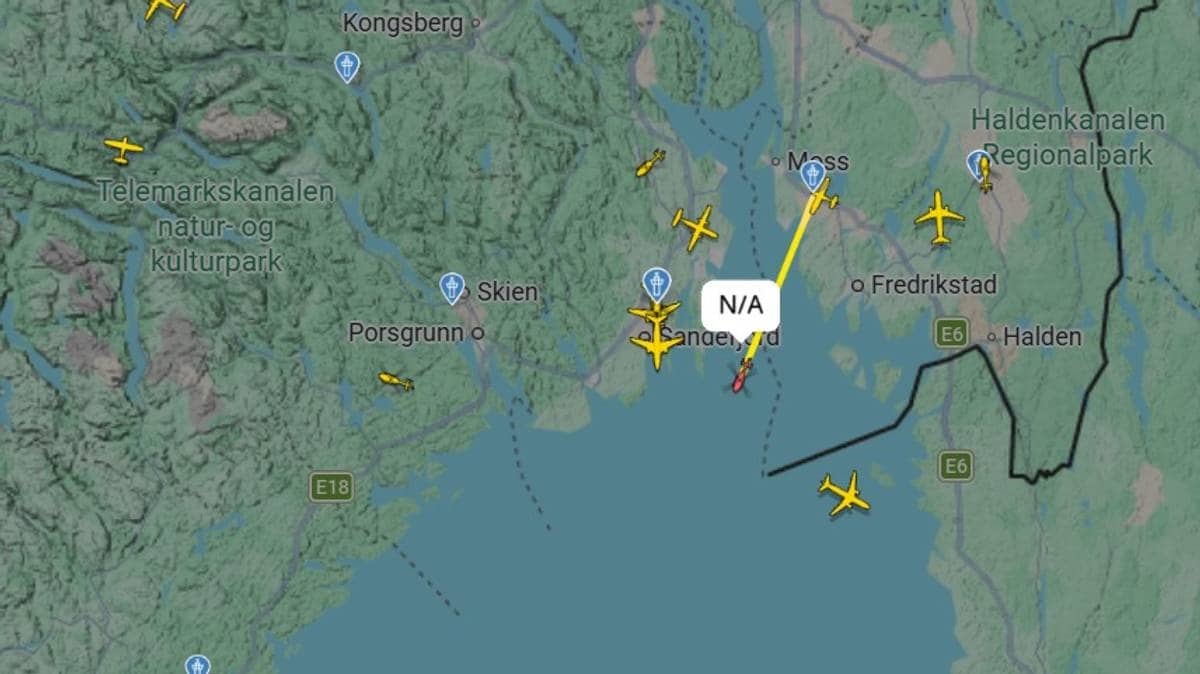
Emergency responders are actively engaged in a search and rescue operation in the Skagerrak Strait following a fire aboard a fishing vessel that has since taken on water. The incident was reported on the afternoon of April 23, 2026, prompting an immediate mobilization of maritime rescue assets.
According to the Southern Norway Rescue Coordination Centre (HRS Sør-Norge), one person aboard the vessel has entered a life raft after the fire broke out. The organization confirmed via its official social media channel that the boat is currently taking on water, necessitating urgent intervention to prevent further escalation.
A rescue helicopter has been dispatched to the scene and is en route to assist the individual in the life raft. A rescue vessel is also proceeding to the location to support ongoing efforts, as stated by HRS Sør-Norge in their public update.
#Skagerrak, Redningsaksjon. Fiskefartøy som har hatt brann ombord. Tar nå inn vann. 1 POB, har gått i flåte. Redningsskjøyte og Redningshelikopter er på vei til havaristen. pic.twitter.com/XXXXXXXX
— HRS Sør-Norge (@HRSSorNorge) April 23, 2026
The Skagerrak Strait, located between Norway, Sweden, and Denmark, is a heavily trafficked maritime route known for its challenging weather conditions and strong currents, which can complicate rescue operations. The area falls under the joint responsibility of Nordic maritime authorities, with HRS Sør-Norge coordinating search and rescue activities for the southern region of Norway.
The Southern Norway Rescue Coordination Centre is one of two main divisions of the national Rescue Coordination Centre, tasked with leading and coordinating all types of rescue operations — on land, at sea, and in the air — across southern Norway. It maintains 24-hour emergency response capabilities and works closely with coastal radio services, which were transferred from Telenor to the Rescue Coordination Centre effective January 1, 2026.
As part of its preparedness efforts, HRS recently conducted an open professional seminar on lessons learned from mass rescue operations on April 10, 2026, and updated its guidelines for the use of joint operational support tools on March 3, 2026. These protocols are designed to improve coordination during large-scale emergencies where resources may be stretched thin.
In early April, the centre was involved in another ongoing operation in the North Sea following a report of a person falling overboard, highlighting the continued demand for its services across Norwegian waters.
Maritime incidents involving fires on fishing vessels pose significant risks due to the remote nature of such operations, limited immediate access to firefighting equipment, and the potential for rapid vessel deterioration. Taking on water after a fire increases the likelihood of capsizing, especially in rough seas, making timely evacuation and rescue critical.
The use of life rafts is a standard safety procedure in such scenarios, providing temporary buoyancy and protection until rescue arrives. Whereas, survival in open waters remains dependent on rapid response, particularly in cold environments like the Skagerrak, where hypothermia can set in quickly.
Rescue helicopters operated by Norwegian authorities are equipped for hoist operations and can deploy rescue swimmers or deliver essential supplies to those in distress. Their deployment in this case underscores the severity of the situation and the commitment to saving lives at sea.
As of the latest update, the rescue vessel and helicopter continue toward the reported location. No further details regarding the condition of the individual in the life raft or the status of the fishing vessel have been released by official sources.
The Rescue Coordination Centre advises the public to monitor its official channels for verified updates and to refrain from sharing unconfirmed information during active operations.
For real-time updates on this and other ongoing search and rescue missions, the public can refer to the official website and social media platforms of the Norwegian Rescue Coordination Centre.
Stay informed and consider sharing verified updates to help support accurate information flow during emergencies.
Worth a look