
Ten years after achieving a perfect score on the Spanish university entrance exam—the Selectividad—students who once represented the pinnacle of academic performance are navigating diverse paths in global research, industry, and academia. These individuals, often highlighted for their exceptional early results, have transitioned from the intense pressure of standardized testing to long-term intellectual pursuits at institutions such as Princeton University and the Yukawa Institute for Theoretical Physics.
The journey of high-achieving students often reveals that a singular academic milestone, while significant, serves merely as a gateway to broader professional and research-based challenges. As these former students advance into fields like theoretical physics, their work now focuses on complex, open-ended problems that contrast sharply with the structured, finite nature of entrance examinations. This transition marks a shift from performance-based assessment to the long-term, often solitary, pursuit of scientific discovery.
Academic Trajectories Beyond the Entrance Exam
The transition from secondary education to elite international research environments represents a common trajectory for top-tier students. According to reports from the Princeton University Department of Physics, doctoral candidates and postdoctoral researchers frequently engage in international collaborations to bridge the gap between abstract theory and empirical application. For many, the decade following their secondary education has been defined by rigorous postdoctoral work and the navigation of global academic networks.
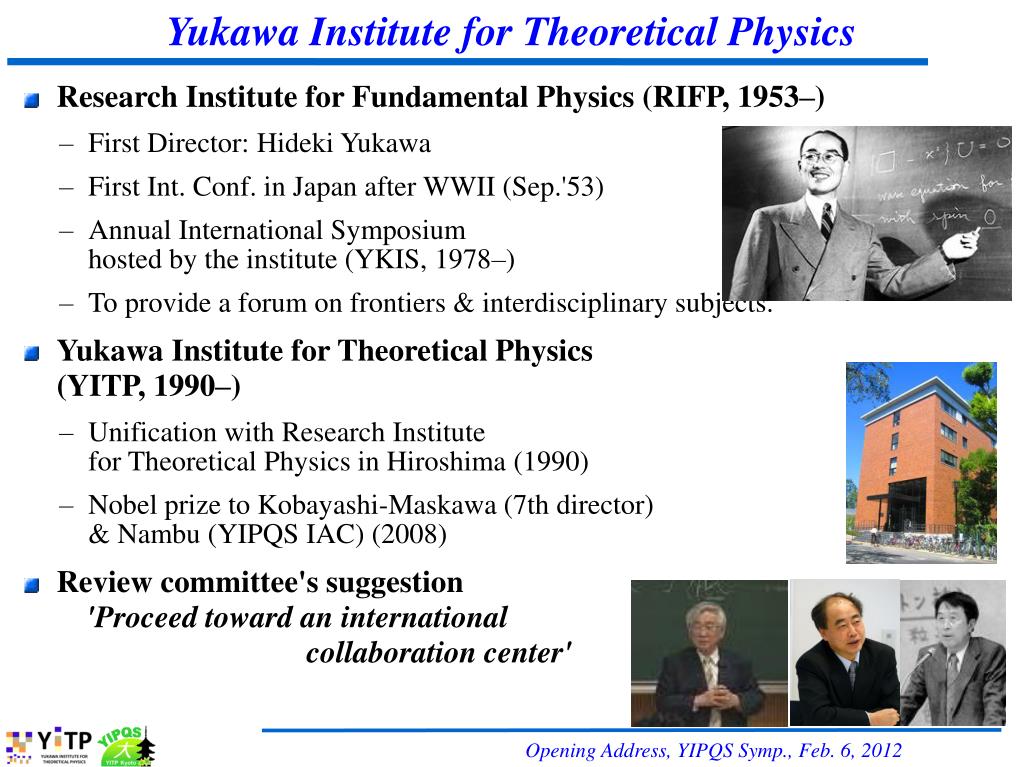
Research at institutions like the Yukawa Institute for Theoretical Physics in Kyoto underscores the global nature of modern science. Scholars often spend months abroad, participating in specialized workshops or collaborative research projects that are essential for career progression in high-level physics. This mobility is a hallmark of the modern academic experience, where physical presence at specific global hubs is required to access specialized data or collaborate with leading experts in the field.
The Evolution of Student Assessment
While the Selectividad—now formally known as the EBAU or EvAU in Spain—remains a critical point of stress and evaluation, its long-term predictive value for professional success is a subject of ongoing discussion among educators. The Spanish Ministry of Education, Vocational Training and Sports continues to manage these entrance exams, which serve to standardize university access across autonomous communities. However, the decade-long gap between the exam and a professional career highlights that success is increasingly dependent on adaptability, networking, and sustained research output rather than initial testing scores.
For students who achieve perfect marks, the pressure to maintain a high performance level can be significant. Yet, those who succeed in the long term often point to a shift in mindset: moving away from the “perfect score” mentality toward a focus on original research and problem-solving. This evolution is necessary in fields like theoretical physics, where the work often involves addressing questions that have no predetermined answer, unlike the questions found on standardized entrance exams.
Global Mobility in Modern Research
The requirement for researchers to move between continents is not merely a professional preference but an institutional necessity. Programs at universities like Princeton facilitate this by allowing researchers to maintain ties to their home departments while conducting field work in international centers of excellence. This structure allows for a cross-pollination of ideas that is vital for scientific breakthroughs.
According to data from the Nature Index, international collaboration is a primary driver of high-impact research output. The ability of former top-performing students to integrate into these global systems—moving from a local high school environment to an international research laboratory—demonstrates the effectiveness of their foundational training in preparing them for the demands of a globalized scientific community.
What Happens Next in Academic Research
For researchers currently stationed at institutions like the Yukawa Institute, the immediate future involves the completion of current research cycles and the preparation of findings for peer-reviewed publication. These publication cycles are the primary metric by which academic careers are measured, far outweighing the importance of any secondary school assessment. The next major checkpoints for these professionals typically involve tenure-track applications, grant acquisition, and the presentation of findings at international conferences.
As these individuals continue to progress in their respective fields, their experiences serve as a case study for the evolution of academic talent. The focus for those interested in the lives of these former students remains on their contributions to their disciplines rather than their initial academic scores. The academic community continues to monitor these career paths through professional journals and institutional updates, providing a clearer picture of how early academic excellence translates into long-term scientific impact.
Readers interested in the ongoing developments within these research institutions can monitor official updates from the Princeton University news portal or the Yukawa Institute’s official activity archives. We welcome your thoughts on how educational systems might better prepare students for the shift from standardized testing to lifelong research; please share your perspectives in the comments section below.
Related reading