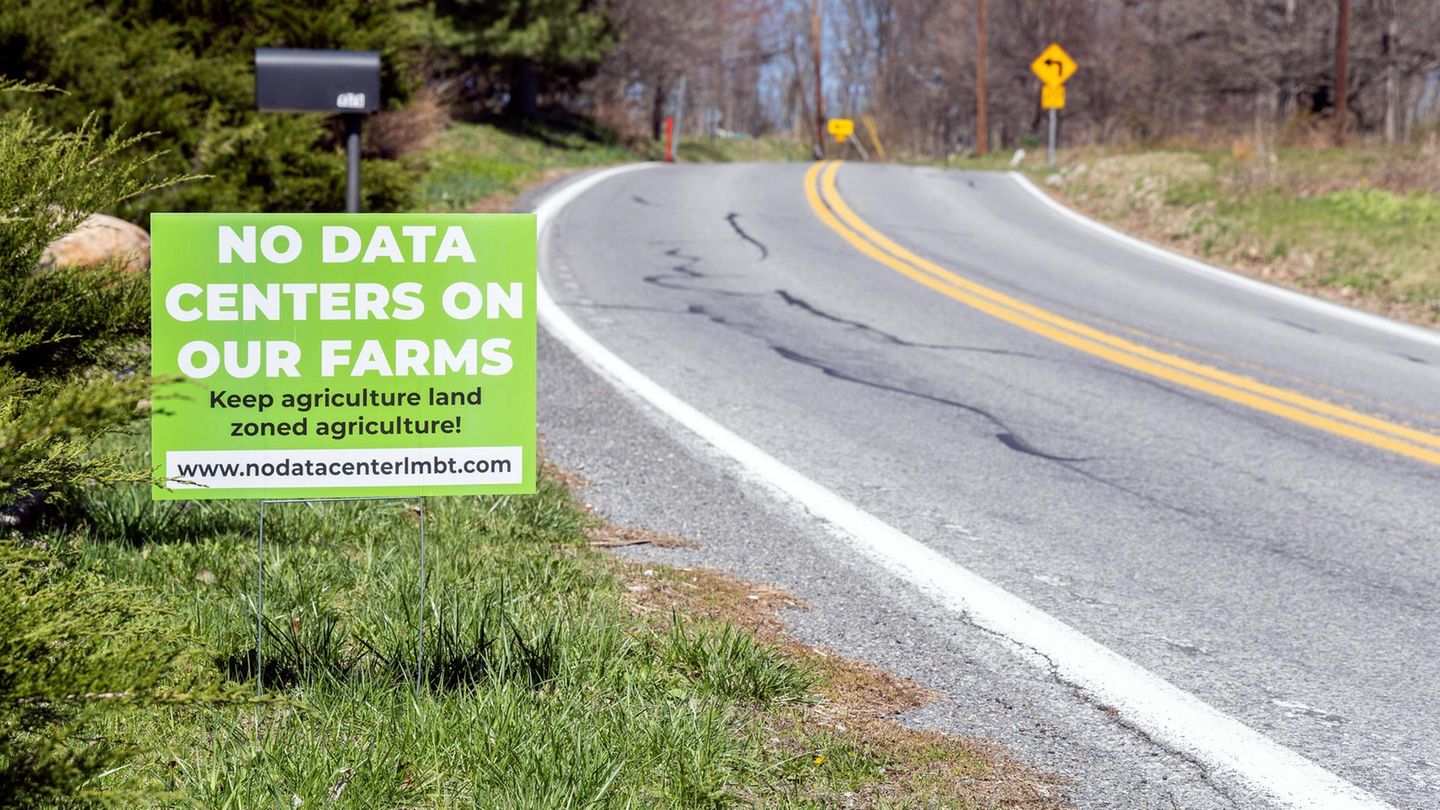
Across Pennsylvania, a burgeoning debate over the expansion of digital infrastructure is testing the balance between economic development and community preservation. As the state grapples with a surge in proposals for massive data centers, local residents and government officials are increasingly finding themselves at odds over land use, environmental impact, and the long-term strain on regional power grids.
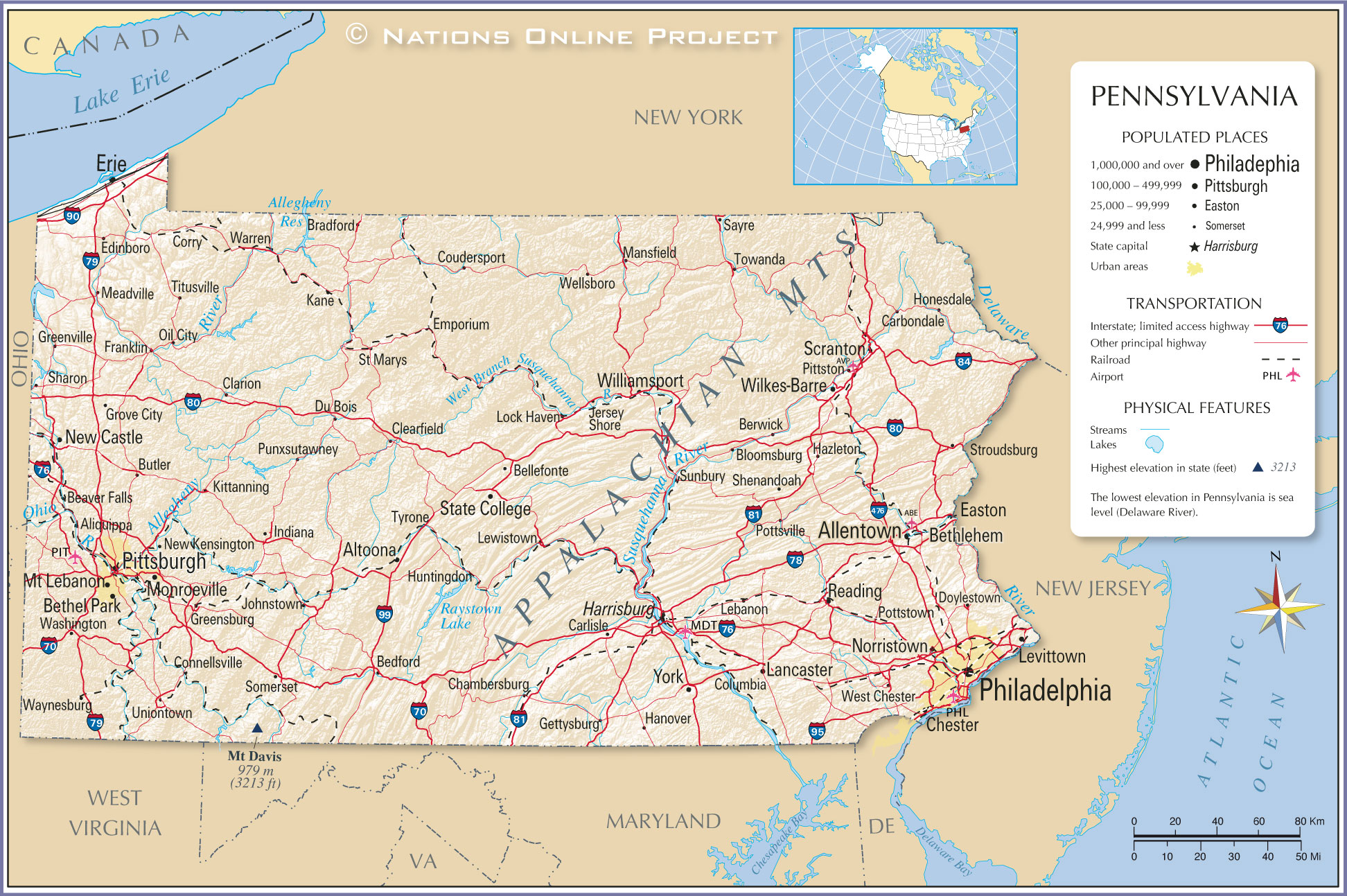
The push to house the physical infrastructure required for modern computing has reached a significant scale, with a grassroots monitoring effort identifying 52 active proposals currently under review across the commonwealth. This rapid growth has catalyzed a wave of civic engagement, as communities from the Lehigh Valley to Carbon County seek to navigate the complexities of industrial zoning and energy consumption in an age of accelerating technological demand.
The Growing Resistance to Industrial Expansion
The friction surrounding these developments was highlighted recently when a public meeting in Lower Mount Bethel Township, located in Northampton County, had to be postponed due to significant public overcrowding. Residents in these areas are voicing concerns that echo broader anxieties about how large-scale utility and industrial projects alter the character of rural and suburban landscapes. For many, the primary concern is the potential for stigmatization of their communities, as large-scale facilities introduce new industrial footprints into previously quiet settings.
In neighboring Carbon County, the Penn Forest Township board of supervisors recently moved forward with a controversial amendment to local zoning laws. The decision, finalized on Monday night, established a data center overlay district encompassing 750 acres. Resident Bill Fontaine, who has previously engaged in legal challenges against industrial developments, has publicly voiced opposition to the change, citing fears regarding the potential for diminished property values and upward pressure on residential electric bills.
Legislative Action and Regulatory Oversight
The tension has not gone unnoticed in Harrisburg, where state legislators are currently considering how to address the rapid influx of these facilities. The Pennsylvania House Energy Committee has taken initial steps toward oversight, recently approving two bills aimed at creating a more standardized regulatory framework for the industry. One of the proposed measures would mandate the annual reporting of energy consumption and water usage for data centers, providing the state with greater visibility into the resource demands of these facilities. A second bill focuses on the creation of a model ordinance that could be adopted by municipalities to better manage zoning and development standards.
These legislative efforts reflect a broader recognition that the current, decentralized approach to data center siting may be insufficient as the number of projects continues to rise. While developers, such as those involved in the Lower Mount Bethel project—Peron Development and J.G. Petrucci Company—have emphasized their commitment to maintaining a minimal footprint and aligning their plans with the priorities of local residents, the divide between industrial ambitions and community expectations remains wide.
What Lies Ahead for Communities
As Pennsylvania moves forward, the primary challenge remains the lack of a cohesive statewide strategy that balances the necessity of digital infrastructure with the protection of local interests. The current grassroots movement, which is tracking the 52 statewide proposals, suggests that the public appetite for oversight is unlikely to wane. For residents, the immediate concern is how these projects will affect their daily lives, from the stability of the power grid to the visual and economic character of their neighborhoods.
The next steps in this unfolding story will likely involve continued debates at the municipal level, as townships and boroughs weigh the potential tax benefits against the logistical and environmental costs of hosting such massive facilities. With the state legislature actively reviewing proposed reporting mandates and zoning guidelines, the coming months will be critical in determining whether Pennsylvania can establish a sustainable path forward for the data center industry.
As a journalist covering these shifts, I am closely following the legislative progress in Harrisburg and the local zoning board meetings across the state. If you have perspectives or updates regarding these developments in your community, I encourage you to share your thoughts in the comments section below.
Keep reading