
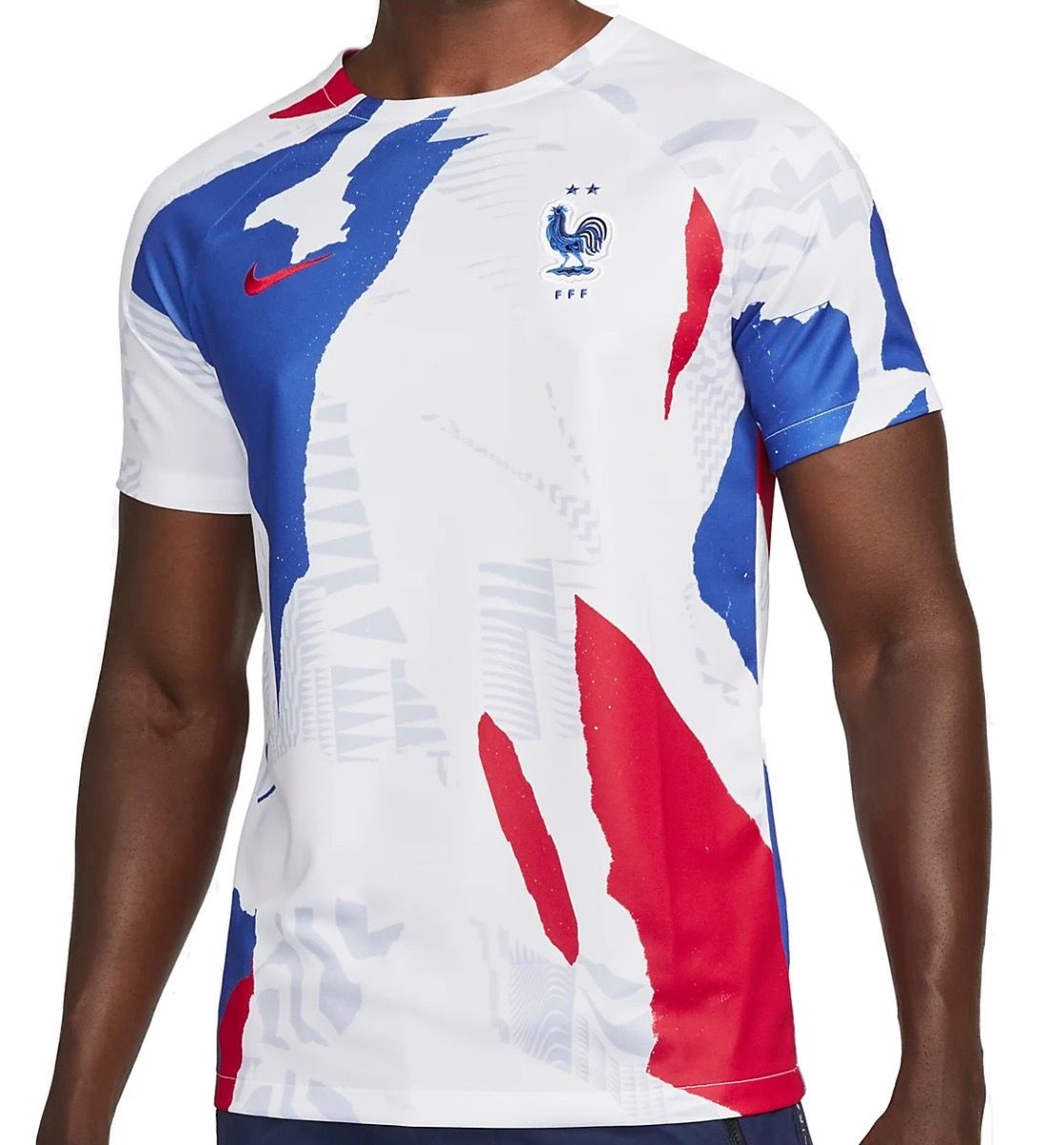
In the high-stakes world of international football, the transition from a club star to a national icon is rarely a seamless process. For Michael Olise, the dynamic winger currently lighting up the pitch for FC Bayern Munich, that transition has recently moved beyond the tactical demands of the game and into the nuanced arena of cultural and linguistic identity.
The conversation surrounding Olise has shifted from his blistering pace and clinical finishing to a more contentious topic: his proficiency in the French language. Following a series of interviews and social media clips, a divide has emerged among supporters and critics regarding whether a player’s linguistic fluency should be a benchmark for their integration into the French national team, the Équipe de France.
As an editor who has spent over 15 years covering the intersection of celebrity and culture, I have seen this narrative play out across various industries. When a global star represents a nation with a fierce pride in its language—as is the case with France—the scrutiny often transcends professional performance. For Olise, the debate is not about his ability to deliver a cross or score a goal, but about the words he uses to describe his journey.
The current discourse, amplified by hashtags like #olise and #fff, reflects a broader tension within modern sports: the balance between a player’s heritage, their chosen sporting nationality, and the expectations of the fans they represent. While some view his struggle with French as a point of amusement or a lack of integration, others argue that the only metric that truly matters is the respect he shows for the jersey.
The Rise of Michael Olise: From London to Munich
To understand the intensity of the current conversation, one must first look at the trajectory of Michael Olise’s career. Born in London and having spent significant time in both England and France, Olise embodies the multicultural reality of the modern European athlete. His technical brilliance was first widely recognized during his tenure in the English Premier League, where he established himself as one of the most creative forces in the game.
The summer of 2024 marked a pivotal shift in his professional life. Olise completed a high-profile transfer to FC Bayern Munich, joining the German giants to further his development in the Bundesliga and the UEFA Champions League. This move placed him under a global microscope, as he stepped into a club known for its exacting standards and a fan base that demands excellence in every facet of a player’s presence.
However, It’s his relationship with the French Football Federation (FFF) that has sparked the most recent controversy. Despite being eligible for both England and France, Olise made the conscious decision to represent Les Bleus. This choice was a statement of identity and ambition, aligning himself with a national team that is historically one of the most successful and culturally influential in the world.
The Linguistic Divide: Performance vs. Proficiency
The catalyst for the current social media firestorm was a series of interviews where Olise appeared to struggle with the fluidity of the French language. In the digital age, where a ten-second clip can be stripped of context and broadcast to millions, these moments of hesitation were quickly labeled by some as “entertainment” or, more critically, as a sign of detachment from the culture he represents.
The reaction has been polarized. On one side, a segment of the fanbase views the French language as an inseparable part of the national identity. For these critics, the ability to communicate effortlessly in French is not merely a skill but a symbol of commitment to the country. When a player struggles to articulate thoughts in the national tongue, it is sometimes misinterpreted as a lack of effort or a lack of “French-ness.”
Conversely, a growing movement of supporters argues that this scrutiny is misplaced and antiquated. The prevailing sentiment among this group is that football is a universal language. They contend that as long as a player demonstrates loyalty, hard work, and respect for the national emblem, their grammatical precision should be irrelevant. This perspective emphasizes the sporting merit of the athlete over their linguistic capabilities, suggesting that the “respect for the jersey” is the only legitimate requirement for a national team player.
The Concept of “Le Maillot” and National Identity
In French football culture, the concept of le maillot (the jersey) carries a weight that extends beyond the fabric of the shirt. It represents a legacy of victory, a symbol of the Republic, and a bond between the players and the citizens. The argument that Olise “respects the jersey” is an appeal to this deeper emotional connection. It suggests that the act of fighting for the team on the pitch is the ultimate form of patriotism.
This debate is not unique to Olise, but it is intensified by his specific background. As a dual national, he exists in a liminal space—too French for some in England and not “French enough” for some in France. This duality often makes athletes targets for identity-based criticism, where their belonging is constantly questioned based on external markers like accent or vocabulary.
The Globalized Game: Dual Nationality in Modern Football
The situation surrounding Michael Olise is a symptom of a larger trend in global sports. The migration of talent and the prevalence of dual nationality have forced national federations and fanbases to redefine what it means to “represent” a country. The FFF, like many other organizations, has increasingly looked toward the diaspora to bolster its talent pool, recognizing that skill sets developed in various leagues—such as the Premier League—are invaluable.

When players choose one nation over another, they are often entering a social contract that is not explicitly written in their playing contract. While the FIFA statutes govern the legal eligibility of a player to switch or choose a national team, the social eligibility is governed by the fans. The expectation of linguistic fluency is often an unspoken part of this social contract, and when it is not met, a friction occurs.
However, the evolution of the game suggests a shift toward a more inclusive definition of national identity. Many of the world’s greatest players have navigated similar challenges, proving that their impact on the pitch can eventually silence critics of their off-pitch integration. The focus is slowly shifting from how a player speaks to how they perform under pressure, particularly in high-stakes environments like the Champions League or the World Cup.
What This Means for Olise’s Future
For Michael Olise, the path forward involves a delicate balance of professional excellence and personal growth. While he is under no official obligation to be a linguistic expert, the reality of living and working in Europe—and representing a nation like France—means that language is a tool for better integration and stronger bonds with teammates and fans.
The “entertainment” value some find in his interviews is a superficial distraction from the actual trajectory of his career. At Bayern Munich, he is tasked with integrating into a German-speaking environment while maintaining his status as a French international. This requires a level of adaptability and mental resilience that is often overlooked in the rush to critique a misplaced verb or a hesitant sentence.
The support Olise receives from fans who prioritize “respect for the jersey” provides a necessary counter-narrative. It reminds the sporting world that the primary objective of a national team is to win and to inspire, and that inspiration often comes from the diversity and inclusivity of the squad rather than a monolithic standard of cultural purity.
Key Takeaways from the Olise Discourse
- Performance Over Prose: A significant portion of the fanbase believes that sporting contribution and respect for the national team outweigh linguistic fluency.
- Identity Complexity: As a dual national, Olise represents the modern, multicultural nature of European football, which often leads to conflicting expectations of identity.
- The Power of Social Media: Short, out-of-context clips can amplify minor linguistic struggles, turning them into broader debates about national belonging.
- Integration Challenges: Moving between the Premier League, the Bundesliga, and the French national team requires immense cultural and linguistic flexibility.
The Broader Impact on the French National Team
The FFF finds itself at a crossroads in how it manages the public image of its multicultural squad. France has long been a leader in integrating players from diverse backgrounds, often using the national team as a symbol of le mélange (the mix). However, the current scrutiny of Olise suggests that You’ll see still lingering tensions regarding the “correct” way to be French.

If the federation and the players continue to emphasize the unity of the squad and the shared goal of victory, the linguistic debate will likely fade. History shows that once a player becomes a pivotal part of a winning machine, their quirks—including their struggles with a language—become endearing traits rather than liabilities. The focus remains on the upcoming fixtures and the player’s ability to translate his club form at Bayern Munich into international success.
the conversation about Michael Olise is less about the player himself and more about how we define national identity in an era of unprecedented global mobility. When we ask “Does he speak French well enough?” we are really asking “What is the minimum requirement to belong?” In the context of professional sports, the answer is increasingly becoming: “Give us your best on the pitch, and the rest will follow.”
As Olise continues to develop his game in Munich and his role within the Équipe de France, the world will be watching. Not for his grammar, but for the magic he creates with the ball at his feet.
The next major checkpoint for Olise will be the upcoming international break, where his performance and further interactions with the media will likely continue to shape the narrative of his integration into the squad. We will be monitoring the FFF’s official call-ups and match reports for further updates on his role in the team.
Do you believe linguistic fluency should be a requirement for representing a national team, or is “respect for the jersey” the only metric that matters? Share your thoughts in the comments below.