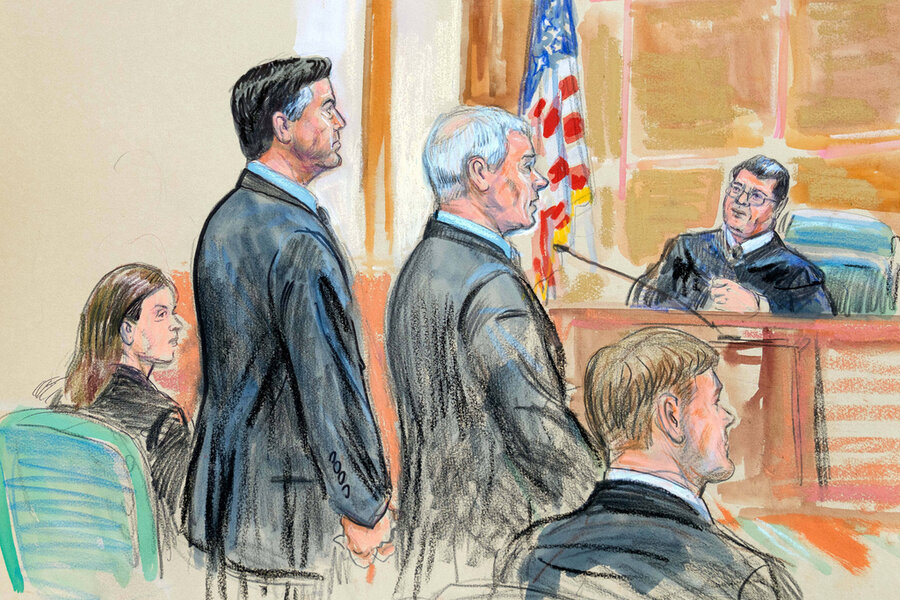
The Erosion of Justice: When Prosecutors Overstep and How to Restore Integrity
The pursuit of justice, a cornerstone of any democratic society, relies heavily on the integrity of those wielding its power – especially prosecutors. Recent events, notably under the second term of former President Donald Trump, have brought into sharp focus a disturbing trend: the potential weaponization of the justice system for political retribution. But the issue extends far beyond one management or high-profile case. A systemic problem of prosecutorial misconduct is quietly undermining faith in the legal process, demanding urgent attention and reform.
This article delves into the growing concerns surrounding prosecutorial overreach, examines the current landscape of accountability, and explores potential solutions to restore the ethical foundations of criminal justice in the United States.
The Trump Era and the Appearance of Political Prosecution
The past few years have witnessed a series of indictments raising serious questions about the impartiality of the Justice Department. Former FBI Director James Comey, New York Attorney General Letitia James, and former National Security Advisor John Bolton – all individuals who at some point faced scrutiny from or opposition to former President Trump - were subjected to legal challenges initiated during his tenure.
While the legal outcomes of these cases remain to be seen, the perception of politically motivated prosecution is deeply damaging. It fuels accusations of a system designed to punish enemies rather than uphold the law, eroding public trust in the fairness and objectivity of the justice system.This isn’t simply about individual cases; it’s about the precedent being set and the potential normalization of using legal mechanisms for vindictive purposes.
A Systemic Problem: Prosecutorial Misconduct and Lack of Accountability
The concerns extend far beyond the federal level. A chilling statistic reveals the depth of the problem: approximately one-third of all exonerations are attributed to prosecutorial misconduct, according to data from the National Registry of Exonerations (https://www.law.umich.edu/registry/). Despite this alarming rate, a mere 4% of prosecutors involved in wrongful convictions face any form of disciplinary action.
This stark disparity highlights a critical failure in accountability.The current system offers insufficient safeguards against abuses of power, allowing misconduct to flourish with minimal consequences. The consequences of this are devastating, not only for the wrongly accused but also for the integrity of the entire legal system. Wrongful convictions shatter lives, erode trust in law enforcement, and undermine the very principles of justice.
State-Level Reforms: A Patchwork of Progress
Recognizing the need for change, several states are beginning to address the issue of prosecutorial ethics. New york and Georgia have recently established commissions to oversee prosecutorial conduct, representing a novel approach to accountability. However, these commissions differ significantly in their scope and political leanings, raising concerns about their true effectiveness and impartiality.
Furthermore, many states have recently updated their ethics codes for prosecutors, ofen drawing upon the American Bar Association’s (ABA) Model Rules of Professional conduct. New York’s updated prosecutor’s handbook, “The Right Thing,” explicitly emphasizes the unique ethical duty of prosecutors to seek truth and justice, not merely to secure convictions. It states that while defense attorneys advocate for clients and judges ensure fair proceedings,”only prosecutors are given the freedom – and with it the ethical duty – to promote all these vital components of ‘the right thing.'” (https://www.nysda.org/wp-content/uploads/2023/03/The-Right-Thing-Prosecutorial-Ethics-in-New-York-State-March-2023.pdf)
Though, these state-level efforts are frequently enough fragmented and lack the consistency needed to create meaningful systemic change.
Strengthening Ethical Standards: The Role of the ABA and Beyond
Many legal experts advocate for strengthening the ABA’s Model Rules of Professional Conduct, specifically Rule 3.8, which governs the ethical obligations of prosecutors. toughening this rule could provide a clearer framework for ethical conduct and establish more robust disciplinary procedures.
But simply revising rules isn’t enough. Effective reform requires a cultural shift within prosecutorial offices, emphasizing ethical considerations alongside the pursuit of convictions. This includes:
* Enhanced Training: Comprehensive ethics training for prosecutors, focusing on recognizing and avoiding misconduct.
* Autonomous Oversight: Establishing truly independent oversight bodies with the power to investigate and discipline prosecutors.
* Data Openness: Collecting and publishing data on prosecutorial misconduct to identify patterns and hold offices accountable.
* **Protecting