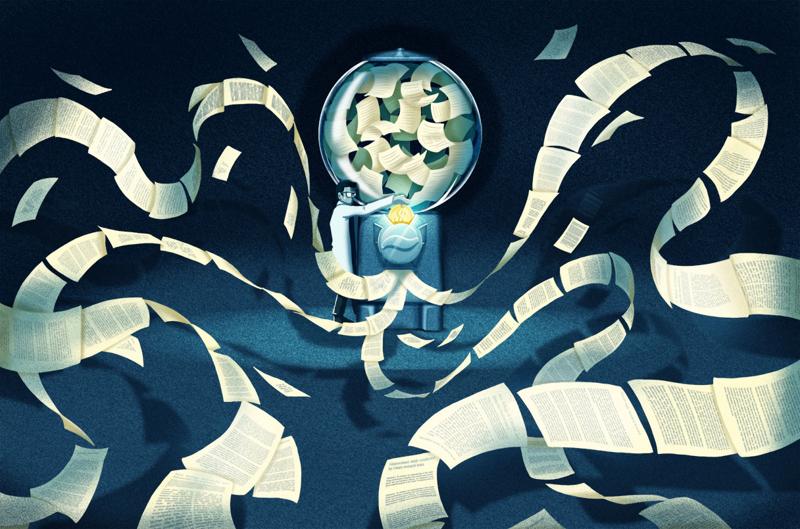
Thousands of shady advertisements promising effortless authorship for cash have flooded online platforms, according to a large-scale investigation published in Science on April 23, 2026. The investigation reveals a shadowy marketplace where companies known as paper mills sell authorship slots on scientific manuscripts to researchers seeking to boost their publication records.
The findings, described by investigators as “only the tip of the iceberg,” indicate that the problem is far more widespread than previously documented. These ads, often appearing on social media, messaging apps, and academic forums, offer guaranteed authorship in exchange for payment, with prices varying based on the journal’s impact factor and the author’s position on the paper.
Paper mills operate by producing fabricated or plagiarized manuscripts and selling authorship to individuals who need publications for career advancement, grant applications, or academic promotions. The investigation analyzed thousands of ads collected between 2019 and 2024, finding that many of the resulting papers show strong textual similarities to known paper mill outputs.
This practice undermines the integrity of scientific research by allowing unqualified individuals to gain credit for work they did not perform. It also distorts the scientific record, making it harder for legitimate research to be identified and built upon. Experts warn that the rise of paper mills threatens public trust in science and could lead to harmful consequences if flawed or fraudulent findings inform clinical decisions or public policy.
How Paper Mill Ads Operate Online
The investigation found that paper mill advertisements frequently use vague, appealing language to attract buyers. Common phrases include “guaranteed publication,” “fast-track authorship,” and “no effort required.” Some ads explicitly state that the paper will be prepared according to the target journal’s guidelines, while others promise inclusion in journals indexed in major databases like PubMed or Scopus.

Payments are typically processed through untraceable methods such as cryptocurrency, gift cards, or third-party payment platforms. In many cases, the transaction occurs through private messaging apps after initial contact is made via public posts. This structure makes it difficult for authorities or publishers to track and intercept these exchanges.
Whereas the ads often target early-career researchers from low- and middle-income countries, the investigation noted that buyers come from a wide range of geographic and institutional backgrounds. Some advertisements are tailored to specific fields, such as medicine, engineering, or computer science, reflecting the demand for publications in high-pressure academic environments.
Impact on Scientific Integrity and Public Trust
The proliferation of paper mill-produced papers poses a serious threat to the credibility of scientific literature. When fraudulent papers enter the record, they can waste researchers’ time, mislead clinical guidelines, and divert funding from legitimate studies. In medicine, where research directly influences patient care, the inclusion of flawed data could lead to ineffective or even harmful treatments.
Journal editors and publishers have reported increasing difficulty detecting these submissions, as paper mills continually evolve their tactics to bypass plagiarism software and peer review. Some mills now generate highly customized manuscripts that mimic the writing style of the purported author, making detection more challenging without specialized forensic tools.
In response, several major publishers have formed coalitions to share information about suspicious manuscripts and develop better screening tools. However, experts agree that a coordinated, international response involving funders, institutions, and governments is necessary to address the root causes driving demand for fraudulent authorship.
Responses from the Scientific Community
Following the publication of the investigation, scientific organizations and research integrity groups have called for stronger measures to combat paper mills. The Committee on Publication Ethics (COPE) issued a statement urging journals to enhance their screening protocols and to retract confirmed fraudulent papers promptly.
Some universities have begun reviewing the publication records of faculty and students suspected of purchasing authorship, though such investigations are complex and require evidence of misconduct. Funding agencies in Europe and North America have also signaled interest in exploring whether grant applications should be scrutinized for signs of paper mill involvement.
Despite these efforts, researchers caution that punitive measures alone will not solve the problem. Addressing the intense pressure to publish in academia—often summarized as “publish or perish”—is seen as critical to reducing the incentive to seek fraudulent shortcuts.
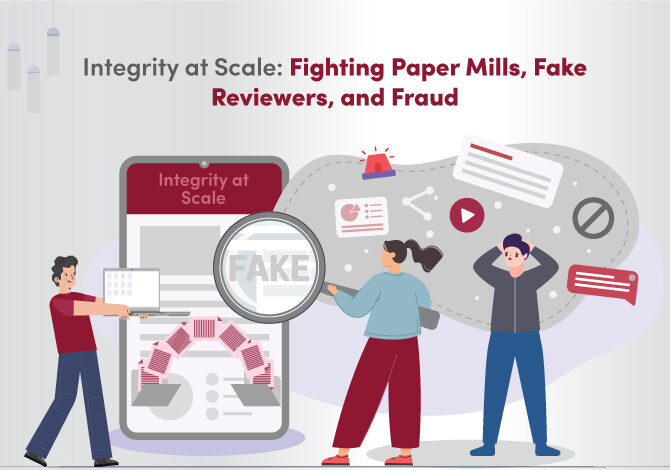
As of now, no international treaty or binding regulation specifically targets paper mills. However, ongoing discussions at forums such as the World Conference on Research Integrity continue to explore policy options, including potential legal frameworks and standardized reporting mechanisms for fraudulent submissions.
The investigation’s authors emphasize that while the current findings are alarming, they represent only a fraction of the actual scale of the issue. Many paper mill operations remain hidden, and modern ads continue to appear daily across encrypted platforms and lesser-known websites.
For readers seeking to understand how to identify potentially fraudmatic papers, resources are available through organizations like COPE and the Office of Research Integrity. These groups provide guidance on red flags such as unusual authorship patterns, methodological inconsistencies, and rapid publication timelines.
What steps should institutions capture to deter involvement with paper mills while supporting researchers facing publication pressure? Share your thoughts in the comments below, and help spread awareness by sharing this article with colleagues and peers.
Related reading