
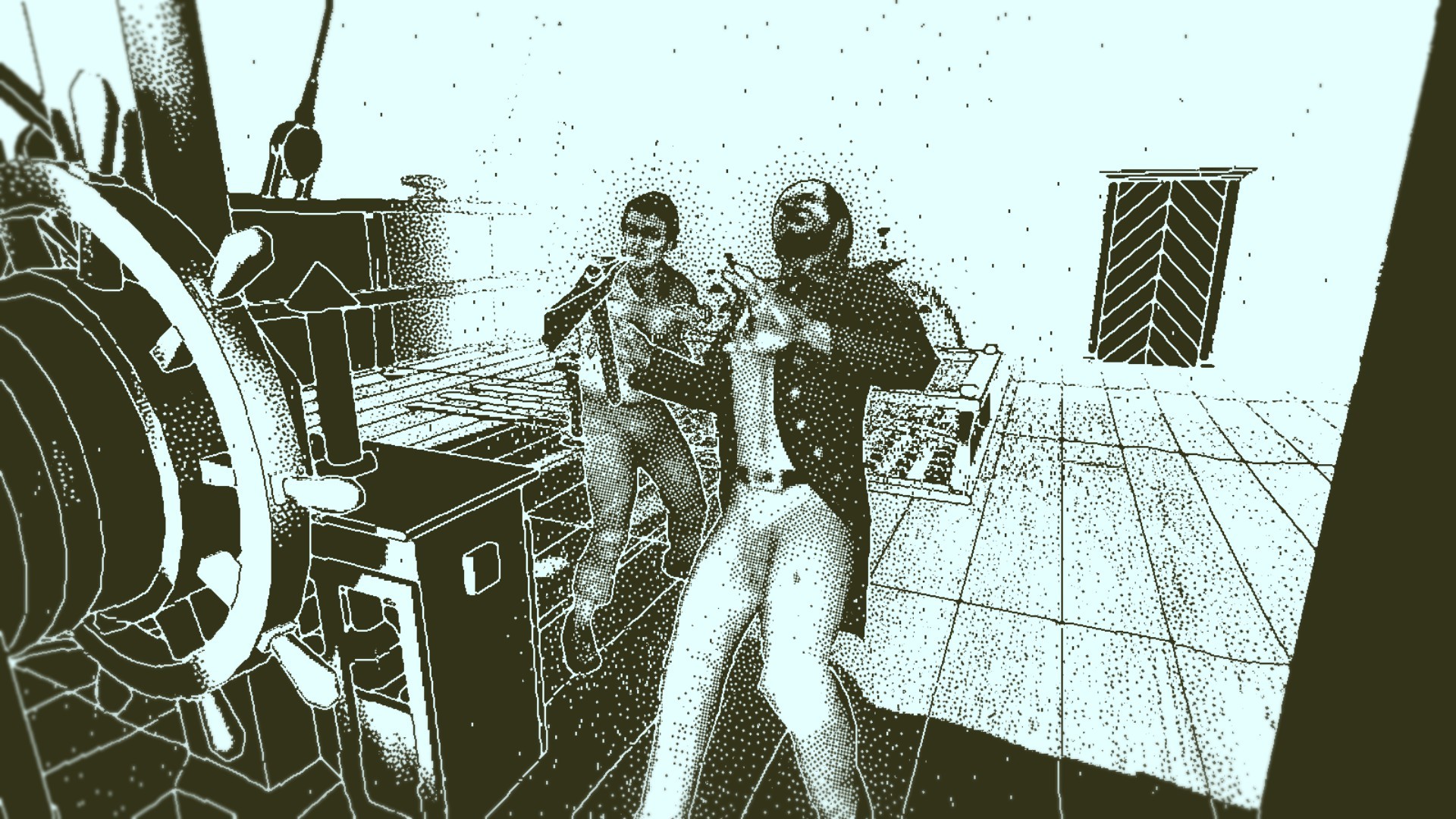
Lucas Pope, the acclaimed developer behind the influential indie titles Papers, Please and Return of the Obra Dinn, is intentionally keeping his current creative endeavors under wraps. In a landscape where transparency and “dev-logs” are often the norm for independent creators, Pope is opting for a strategy of silence to protect his intellectual property from the growing capabilities of artificial intelligence.
The decision stems from a specific anxiety regarding Lucas Pope AI concerns and the potential for conceptual theft. While the developer has confirmed he has many ideas and is actively working on a few projects, he has grow hesitant to share the specifics of these concepts publicly. The primary driver for this secrecy is the fear that AI, or other opportunistic actors, could synthesize and steal his unique game mechanics or narratives before he has the opportunity to fully realize them in a finished product.
This cautious approach highlights a growing tension within the software and gaming industries: the balance between community engagement and the protection of raw, unrefined creativity in an era of generative AI. For a developer like Pope, whose success is built on highly original and unconventional gameplay loops, the risk of a concept being “absorbed” or replicated by an algorithm represents a significant threat to the viability of his future work.
The Risk of Conceptual Theft in Indie Development
The core of the issue lies in the nature of modern AI tools, which can rapidly iterate on existing ideas. Pope’s concern is not merely about the theft of finished code, but the theft of the “concept” itself. In the indie gaming sector, the unique hook—the core mechanical innovation—is often the most valuable asset a developer possesses. If a concept is shared too early, there is a perceived risk that AI could be used to prototype similar ideas more quickly than a solo developer can execute them.
This perspective reflects a broader shift in how independent creators view the disclosure of their work. Traditionally, sharing early concepts helped garner interest and feedback. However, with the rise of generative AI, the speed at which an idea can be analyzed and mirrored has increased, leading some creators to treat their early-stage design documents as high-security secrets.
Insights from the ‘Mike & Rami Are Still Here’ Podcast
These revelations came to light during a conversation on the Mike & Rami Are Still Here podcast, featuring Mike Rose and Rami Ismail. During the discussion, Pope elaborated on his current workflow and the psychological toll of navigating the current tech environment. He noted that while the creative spark remains—confirmed by the fact that he is currently juggling several projects—the environment for sharing those sparks has become significantly more hazardous.
The conversation underscored the vulnerability of independent game creators who do not have the legal resources of major AAA studios to defend their intellectual property. For a solo developer, the cost of litigating a stolen concept is often prohibitive, making preemptive secrecy the only viable form of protection.
Key Takeaways on AI and Creative Security
- Conceptual Vulnerability: Developers fear that AI can steal and replicate game concepts before they are fully developed.
- Shift in Transparency: There is a growing trend toward secrecy in early-stage indie development to avoid AI-driven imitation.
- Intellectual Property Gaps: Solo creators lack the legal infrastructure to fight conceptual theft, necessitating a “silent” development phase.
- Active Development: Despite the secrecy, Lucas Pope is currently working on multiple new projects.
What This Means for the Future of Game Design
The hesitation shown by a developer of Pope’s stature suggests that the industry may be entering a period of “dark development.” If more creators stop sharing their progress to avoid AI exploitation, the public may see fewer “work-in-progress” updates and more sudden, fully-formed releases. This could change the relationship between developers and their communities, reducing the collaborative feedback loop that has historically defined the indie scene.

this situation raises critical questions about the ethics of training AI on the public discourse of creators. When a developer discusses a mechanic in a podcast or a forum, that data can be ingested by AI models, potentially allowing those models to suggest similar “innovations” to other users, thereby diluting the originality of the source creator’s work.
As the industry continues to grapple with these challenges, the case of Lucas Pope serves as a cautionary example of how generative AI is altering the behavior of the world’s most innovative software designers. The focus has shifted from “how do I share this?” to “how do I protect this?”
There are currently no confirmed release dates or titles for Pope’s upcoming projects. The next checkpoint for followers of his work will be any official announcements made via his verified channels once his projects have reached a stage of development that he deems secure from AI replication.
Do you believe AI poses a genuine threat to original game concepts, or is secrecy an overreaction? Share your thoughts in the comments below.