
In an era defined by the rapid, often relentless transition to digital-first media, the tactile experience of holding a physical publication has become something of a luxury—a deliberate choice in a world of infinite scrolling. As we navigate the complexities of the modern media landscape, the return to print for many independent journals is not merely an exercise in nostalgia. it is a calculated strategic pivot. The VIBE—that intangible synergy between audience engagement, editorial integrity, and the physical medium—is real, and it is proving to be a cornerstone for sustainable growth in a crowded market.
The road back to the printing press has been undeniably bumpy. Supply chain disruptions, fluctuating paper costs, and the evolving economics of physical distribution have presented significant hurdles for publishers worldwide. According to recent data from the global newspaper publishing industry, while digital revenue streams continue to dominate, the resilience of niche, high-quality print remains a critical indicator of brand loyalty and reader retention. We have seen that the “VIBE”—a shorthand for the unique, immersive engagement that only print can offer—is a tangible asset in our current economic climate.
The Economics of the Tangible
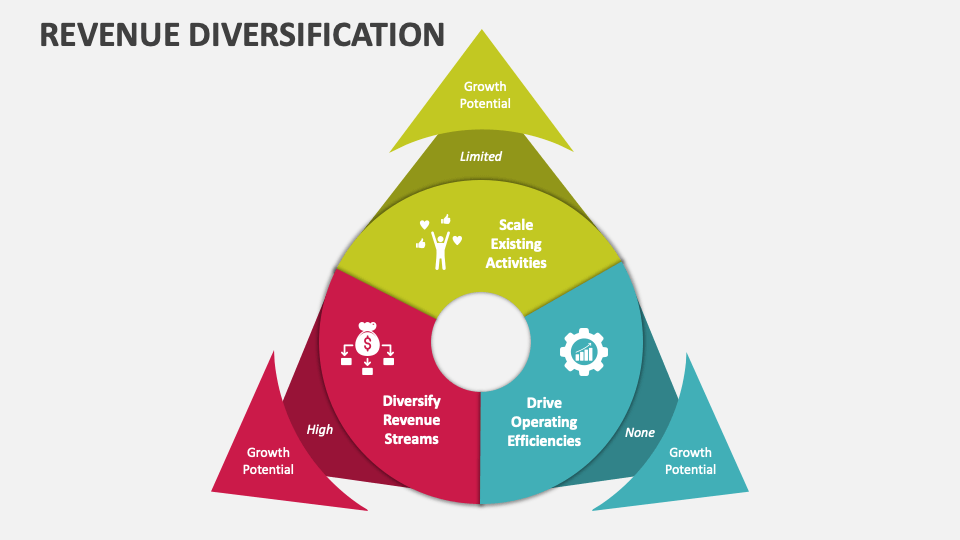
From an economic perspective, the shift back to print represents a move toward diversifying revenue streams. For years, the industry operated under the assumption that digital transformation was a binary choice: adapt to online-only models or face obsolescence. However, the current media business landscape suggests a more nuanced reality. Diversification is no longer optional; it is a prerequisite for financial stability. By offering a premium print experience, organizations are successfully tapping into a market segment that values depth over speed—a demographic that is often willing to pay a premium for curated, high-quality content.
The operational challenges of this pivot cannot be overstated. Managing the logistics of a global supply chain, from sustainable paper sourcing to international shipping, requires a level of precision that digital distribution simply does not demand. Yet, the rewards are measurable. The physical object acts as a permanent artifact, reinforcing the authority and credibility of the publication in a way that transient web pages often struggle to achieve. For readers, the “VIBE” is found in the deliberate act of reading, a practice that fosters a deeper connection between the reader and the editorial mission.
Navigating the Digital-Print Hybrid
The most successful media entities today are those that treat print and digital as complementary, rather than competing, channels. This hybrid model allows for the agility of digital news—where breaking updates and real-time analysis thrive—alongside the reflective, long-form journalism that characterizes our print editions. Integrating these two worlds requires a sophisticated understanding of audience behavior. Our data indicates that while our audience relies on World Today Journal for rapid, authoritative reporting, they return to our print archives for context, analysis, and a respite from the digital noise.
This strategy relies on transparency. We have found that when we communicate the “bumpy” nature of our logistics to our readers, it fosters a sense of community. When a printing delay occurs, or when paper costs force a shift in distribution strategy, our audience is more likely to remain invested if they understand the constraints. It is this transparency that builds the trust necessary to survive in a volatile market.
Key Takeaways: The Evolution of Print
- Audience Retention: Readers who engage with physical media often exhibit higher levels of brand loyalty and long-term subscription retention.
- Revenue Diversification: A hybrid model mitigates the risks associated with digital advertising fluctuations.
- Editorial Authority: Print editions provide a platform for long-form, rigorous journalism that is often diluted in high-frequency online formats.
- Sustainable Logistics: Success in the current print environment requires meticulous management of supply chain costs and environmental impact.
Why the VIBE Matters Now More Than Ever
Why do we persist in the face of these challenges? Because the “VIBE”—the visceral, intellectual, and emotional connection to the printed word—is not just a marketing slogan; it is the heartbeat of our profession. In a time of misinformation and algorithmic content curation, the physical journal serves as a curated, vetted, and permanent record of the state of our world. It represents a commitment to the craft of journalism that goes beyond the click-through rate.
As we look toward the next quarter, our focus remains on refining this hybrid experience. We are currently preparing for our upcoming annual economic assessment, which will be featured in our next print cycle. This publication will include verified data sets and expert commentary on global market trends, ensuring that our readers have access to the most accurate information available. We invite you to join us in this ongoing dialogue. Your feedback on our editorial direction is invaluable, and we encourage you to share your thoughts on our digital platforms or through our official correspondence channels.
Looking ahead, our next major update will coincide with the release of the Q4 global economic outlook report, scheduled for early next month. We thank you for your continued support as we refine our processes and continue to bring you the high-quality, authoritative journalism you expect. We are happy to see you here, and we look forward to your continued engagement as we navigate the future of global business news together.
Keep reading