
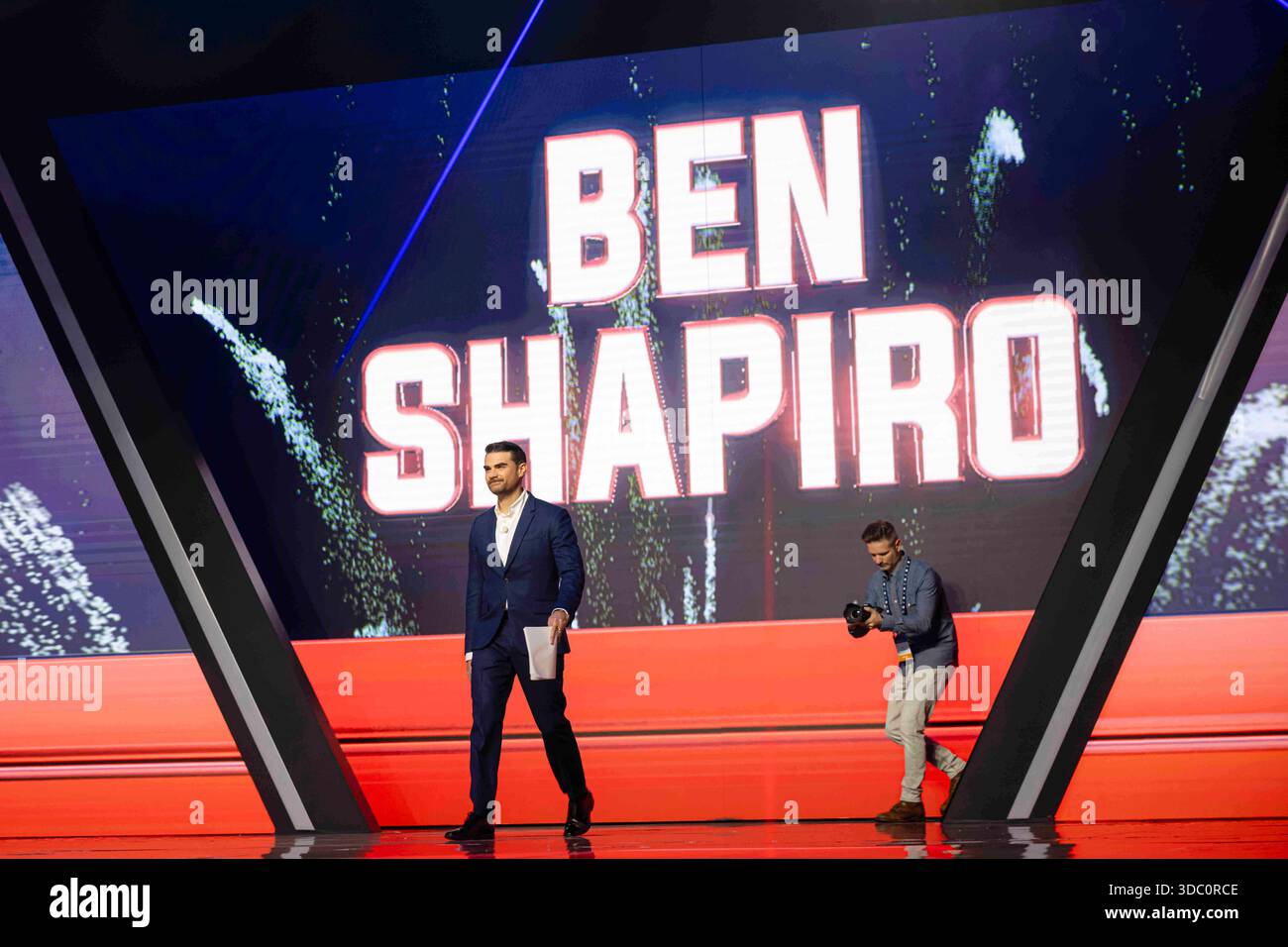
In the rapidly evolving landscape of digital media, the influence of legacy conservative outlets is undergoing a profound transformation. Ben Shapiro, long considered a defining voice of right-wing commentary and the co-founder of The Daily Wire, currently faces a significant shift in his media footprint. Industry observers note that the digital infrastructure that once propelled his content to the top of social media charts has encountered substantial headwinds, reflecting broader changes in how audiences engage with political discourse online.
The transition away from traditional digital media dominance is not unique to Shapiro, but his platform’s recent trajectory highlights the volatility of the current information ecosystem. Following reports of organizational restructuring and evolving audience preferences, the strategies that once defined the early 2010s digital conservative movement are being tested against a new, more fragmented internet culture. As Shapiro navigates this period, the broader question remains: how will established media figures adapt when the algorithms and audience loyalties that built their empires begin to shift?
The Evolution of Digital Conservative Media
The rise of digital media companies in the last decade relied heavily on a “flywheel” effect: creating content that resonated with specific ideological demographics, distributing it through social media platforms like Facebook, and using the resulting traffic to sustain further growth. For years, this model allowed figures like Shapiro to bridge the gap between traditional broadcast-style punditry and the speed of the internet. However, recent data suggests that the efficacy of this model is waning as platforms adjust their algorithms and users move toward more niche, decentralized content streams.
The decline in social media engagement for major digital outlets is a well-documented trend across the media industry, often attributed to the shifting priorities of tech giants. For The Daily Wire, this has manifested in reports of reduced traffic and organizational changes. While the company has historically sought to expand its reach through various formats—including feature-length film production and scripted series—these ventures have faced varying levels of commercial success. The current focus for many media organizations, including those on the right, has shifted toward stabilizing core operations amidst an increasingly unpredictable digital landscape.
Shifting Vibe Shifts and Ideological Fragmentation
A primary factor in the current media environment is the emergence of what some analysts describe as a “vibe shift” within the conservative movement. The ideological coalition that supported the political movements of the mid-2020s has begun to fracture, with new figures and movements rising to challenge established voices. This fragmentation is particularly evident in how different factions approach global issues, including the role of the United States in international conflicts and the stance toward specific foreign nations.
Unlike some of the newer, more isolationist voices gaining traction in online spaces, Shapiro has maintained a consistent, traditional conservative stance on foreign policy, particularly concerning the U.S.-Israel relationship. This consistency, which was once a pillar of his brand, has placed him in a unique position relative to more radicalized segments of the far-right internet. Analysts suggest that the prioritization of “taboo” or provocative topics on social media platforms creates an incentive structure that rewards extreme rhetoric, often leaving more traditional commentators struggling to maintain the same level of digital engagement.
The Impact of New Media Figures
The digital attention economy is increasingly dominated by independent creators and live-streamers who operate outside of the established corporate media structures. These figures often utilize raw, unpolished, and high-frequency content to build deep, loyal audiences. For traditional media figures, competing with this style presents a significant challenge. The “stuffiness” of professionalized digital media is often contrasted with the perceived authenticity of independent, personality-driven content. As these new figures continue to capture the interest of younger demographics, the influence of legacy digital media entities is being recalibrated.
What Happens Next?
The long-term impact of these shifts on the American conservative media landscape remains to be seen. Industry experts are watching for how established organizations will pivot their content strategies to regain audience share or whether they will continue to see a decline in their digital dominance. While some suggest that the era of the “sensible conservative” digital reaction video has passed, others argue that the market for such content may simply be consolidating or moving to different platforms.
For now, stakeholders in the media industry are monitoring the ongoing performance of legacy digital outlets, including their ability to retain talent and sustain operational budgets through changing market conditions. As social media platforms continue to modify their policies regarding political content, creators and media companies alike will need to adapt their strategies to remain relevant in a space that increasingly favors the newest and most provocative trends. The future of digital media will likely be defined by those who can navigate this volatile environment without sacrificing their core mission—or by those who successfully reinvent it for a new generation of users.
This is a developing topic. Readers interested in the latest updates on media industry trends and shifts in digital discourse are encouraged to follow official reports from media analysis organizations and industry watchdogs. We welcome your thoughts on how digital media is changing—join the conversation in the comments section below.
Keep reading