
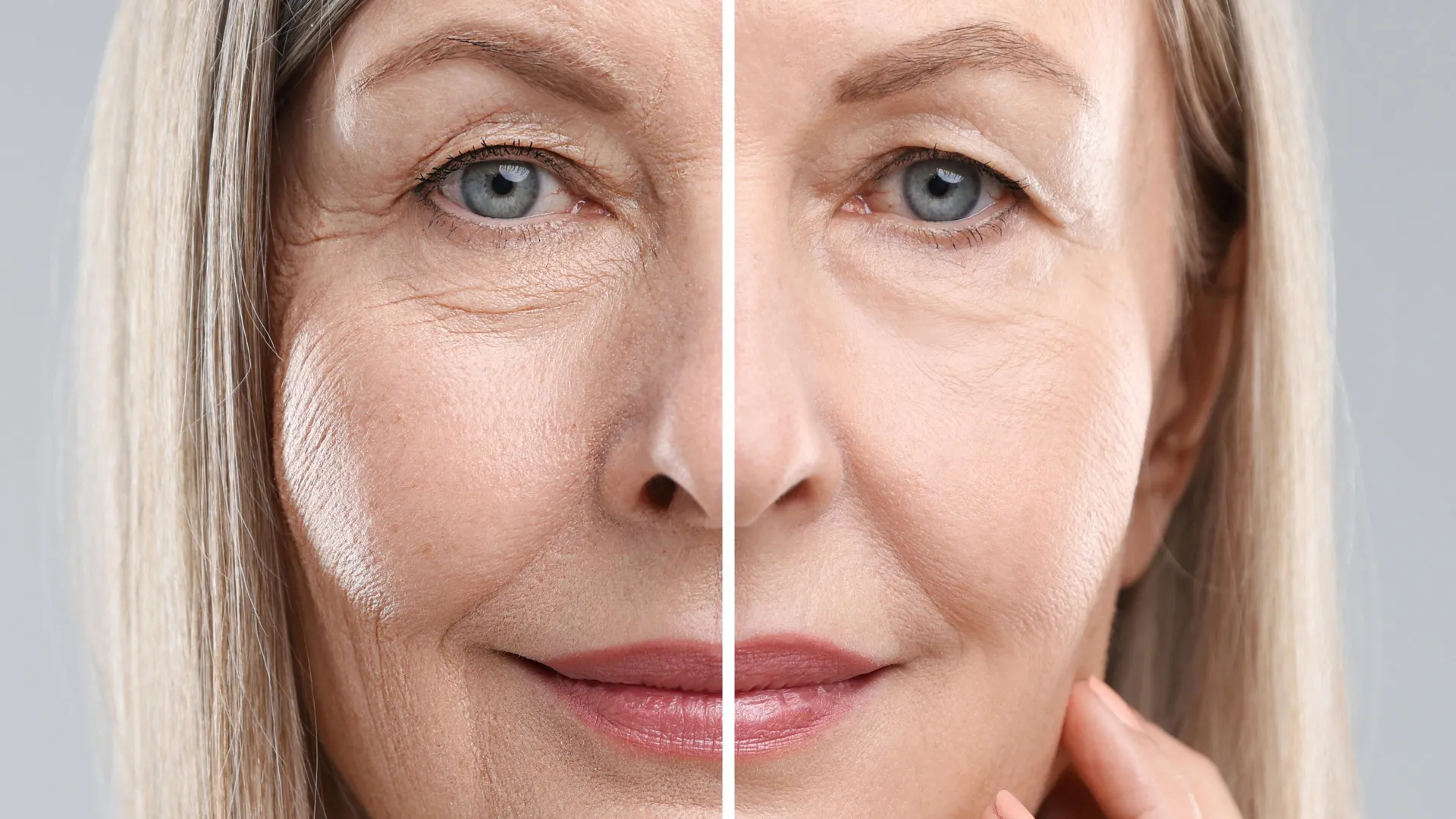
For decades, the medical community has viewed aging as a one-way street—a steady, inevitable decline in cellular function and vitality. However, emerging research is challenging this narrative, suggesting that the “biological clock” may be more flexible than previously believed. A recent study from the University of Sydney has revealed that targeted dietary interventions over a brief period can actually shift biological age markers in older adults, effectively making them appear younger at a cellular level.
The findings suggest that biological age—the measure of how your cells and organs are functioning—is not strictly tethered to chronological age, which is simply the number of years since birth. By altering specific macronutrient intakes over just four weeks, researchers observed a measurable reversal in biomarkers associated with aging, providing a glimpse into a future where nutritional precision could be used to combat age-related decline.
As a physician and journalist, I have followed the evolution of longevity science with keen interest. The shift from treating age-related diseases individually to addressing the underlying biology of aging itself represents a paradigm shift in public health. This study is particularly compelling because it demonstrates that significant biological changes can occur in a remarkably short window, suggesting that the body remains responsive to nutritional cues even in later life.
Decoding the Biological Clock: Chronological vs. Biological Age
To understand how a diet can “reverse” age, it is first necessary to distinguish between the two types of aging. Chronological age is an immutable fact of time. Biological age, however, is a composite measure of various physiological markers, including inflammation levels, metabolic efficiency and epigenetic changes—specifically DNA methylation.
DNA methylation acts as a series of chemical tags on our DNA that turn genes on or off. As we age, these patterns change in a predictable way, creating what scientists call an “epigenetic clock.” By analyzing these patterns, researchers can estimate a person’s biological age. When a study reports a “reversal” of biological age, it means these chemical tags have shifted back toward a pattern typically seen in younger individuals.
This distinction is critical for healthcare policy and personal wellness. If biological age can be decoupled from chronological age, the goal of medicine shifts from merely managing the symptoms of old age to optimizing the biological environment to extend “healthspan”—the period of life spent in good health, free from chronic disease.
The University of Sydney Study: Methodology and Findings
The University of Sydney study focused on older adults to determine if short-term dietary changes could influence these biological markers. Participants were asked to modify their eating habits for four weeks, with researchers tracking the impact on their biomarkers of aging. The study specifically looked at the roles of fat intake and protein sources.
The results indicated that participants who reduced their overall fat intake or transitioned toward more plant-based proteins experienced the most significant improvements in their health biomarkers. Most notably, the strongest results were observed in those who adopted a lower-fat, higher-carbohydrate diet. This finding is particularly interesting given the current popularity of high-fat, low-carb diets, suggesting that for biological age reversal in older populations, a different macronutrient balance may be more effective.
Conversely, those who maintained diets similar to their usual eating patterns saw almost no change in their biological age markers. This contrast underscores the potency of targeted nutritional intervention; the biological clock did not move backward by chance or through general “healthy eating,” but through specific shifts in the ratio of fats to carbohydrates and the origin of protein.
The Impact of Plant-Based Proteins and Fat Reduction
A key component of the study’s success was the shift toward plant-based proteins. Plant proteins, such as those found in legumes, nuts, and seeds, often come packaged with fiber and phytonutrients that reduce systemic inflammation—a primary driver of biological aging often referred to as “inflammaging.”
Reducing saturated fats may also play a role in improving insulin sensitivity and reducing oxidative stress on the mitochondria, the powerhouses of the cell. When mitochondrial function improves, the cell can repair itself more efficiently, which reflects as a “younger” signature on the epigenetic clock. The combination of lower fat and higher complex carbohydrates likely provided the necessary energy substrates for cellular repair without the inflammatory burden associated with high-fat diets in some older adults.
From a clinical perspective, this suggests that the “best” diet for longevity is not a one-size-fits-all prescription but may depend heavily on the current biological state of the individual. For those already facing the metabolic challenges of aging, a shift toward plant-centric, lower-fat nutrition may be the most effective lever for biological rejuvenation.
Practical Implications for Healthy Aging
While a four-week study provides a powerful “proof of concept,” the long-term sustainability of these results remains a subject for further research. However, the immediate takeaway for the global population is that nutritional choices have an almost immediate impact on cellular health.
For those looking to integrate these findings into their daily lives, the focus should be on gradual, sustainable shifts rather than extreme restrictions. Transitioning from animal-based proteins to plant-based options—such as swapping beef for lentils or tofu a few times a week—and replacing saturated fats with complex carbohydrates like whole grains and vegetables can align with the patterns seen in the University of Sydney research.
It is also vital to note that biological age reversal is not about “stopping” time, but about optimizing the body’s resilience. Improving biomarkers of aging can lead to a lower risk of age-related conditions, including cardiovascular disease, cognitive decline, and type 2 diabetes. By lowering biological age, we are essentially increasing the body’s buffer against the wear and tear of time.
Key Takeaways for Biological Age Management
- Biological vs. Chronological: Your “cellular age” can differ from your birth date and is influenced by lifestyle.
- Dietary Levers: Lowering fat intake and increasing complex carbohydrates showed the strongest correlation with biological age reversal in the Sydney study.
- Protein Pivot: Shifting toward plant-based proteins helps reduce inflammation and improve aging biomarkers.
- Rapid Response: Significant cellular shifts can be observed in as little as four weeks, proving the body’s plasticity in older age.
- Consultation is Key: Always consult a healthcare provider before making drastic dietary changes, especially when managing chronic conditions.
What Happens Next in Longevity Research?
The University of Sydney study adds to a growing body of evidence that the hallmarks of aging are malleable. The next phase of this research will likely focus on “precision nutrition”—using a person’s specific epigenetic profile to determine exactly which macronutrient ratio will best reverse their biological age.
We are moving toward a model of preventative medicine where a doctor might prescribe a specific dietary protocol not just to lower cholesterol or blood pressure, but to specifically target the epigenetic markers of aging. As we refine our understanding of how nutrients interact with our DNA, the ability to “tune” our biological age could become a standard part of geriatric care.
The scientific community is now looking toward longer-term trials to see if these four-week gains can be maintained over years and whether they translate into a measurable increase in overall lifespan and quality of life. The goal is no longer just to live longer, but to live “younger” for longer.
The next confirmed checkpoint for this field of research will be the publication of expanded longitudinal data from similar dietary intervention trials, expected in upcoming medical journals throughout 2026. These updates will clarify whether the biological reversal observed in short-term studies leads to a permanent shift in health trajectory.
Do you believe dietary changes are the key to longevity, or do genetics play too large a role? Share your thoughts in the comments below or share this article with someone interested in the science of aging.