
For millions of people facing a cancer diagnosis, the battle is fought on two fronts: the physical struggle against the disease and the invisible, often overwhelming, psychological toll that follows. While medical advancements have significantly improved survival rates, the mental health burden—specifically the risk of clinical depression—remains a critical challenge that can hinder recovery and diminish the quality of life.
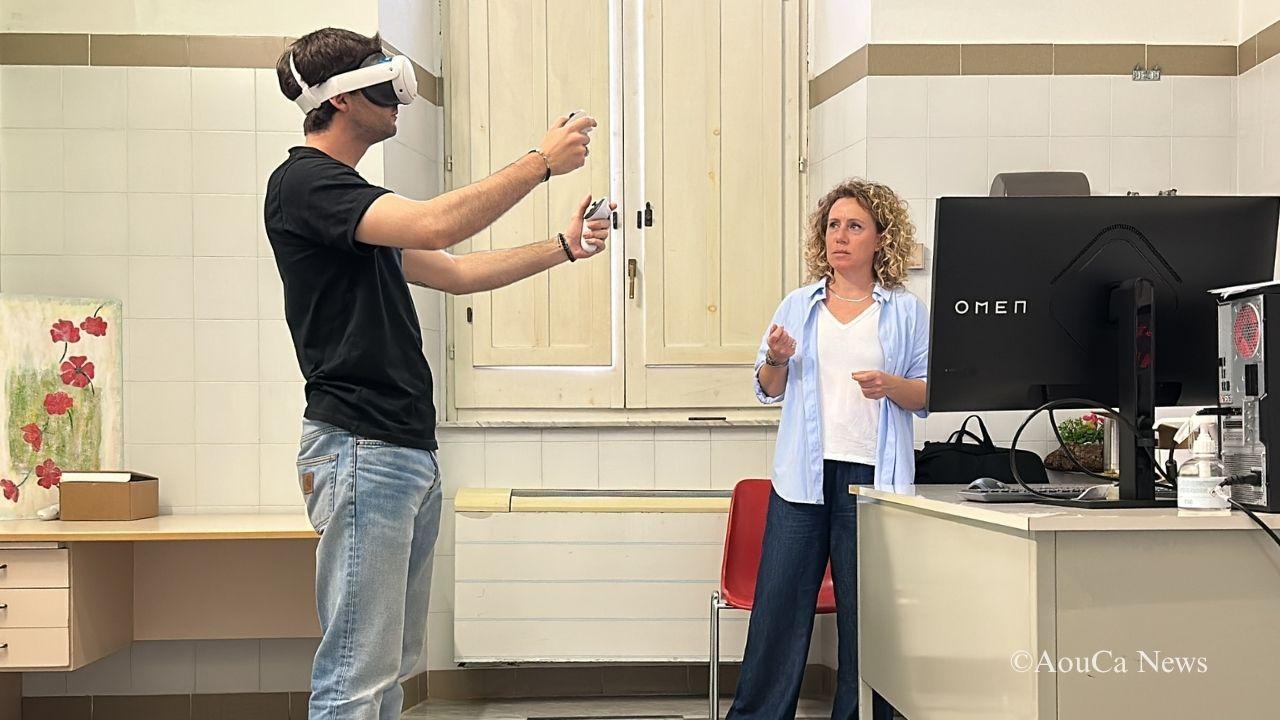
In a significant move toward holistic patient care, the Azienda Ospedaliero-Universitaria (AOU) di Cagliari in Italy has introduced a pioneering model for the depression diagnosis in cancer patients. By integrating traditional psychological screening with immersive virtual reality (VR) technology, the institution aims to identify mental health struggles earlier and provide innovative interventions to mitigate the emotional trauma associated with oncology treatments.
This approach marks a shift in how healthcare systems view the intersection of oncology and psychiatry. Rather than treating depression as a secondary complication to be addressed only after it becomes severe, the Cagliari model treats psychological well-being as a primary component of the clinical pathway. This ensures that patients are not only physically treated but are emotionally supported from the moment of diagnosis.
As a physician and journalist, I have seen how often the “invisible” symptoms of cancer—anxiety, hopelessness, and deep depression—are overlooked in fast-paced clinical settings. The initiative in Cagliari represents a necessary evolution in medicine, acknowledging that a patient’s mental state can directly influence their physiological response to treatment and their overall prognosis.
The Critical Need for Early Depression Screening in Oncology
Depression in cancer patients is not merely a natural reaction to a difficult diagnosis; it is often a clinical condition that requires targeted intervention. When left untreated, depression can lead to decreased treatment adherence, poor nutrition, sleep disturbances, and a weakened immune response, all of which can complicate the primary cancer treatment plan.

The challenge has always been early detection. Many patients struggle to articulate their emotional distress, or their symptoms are mistaken for the general fatigue and malaise associated with chemotherapy and radiation. What we have is where the AOU di Cagliari’s modern model intervenes, implementing a more rigorous and technologically aided screening process to catch early warning signs of depressive disorders.
According to guidelines from the World Health Organization, integrating mental health services into general healthcare is essential for improving global health outcomes. By embedding psychological diagnostics directly into the oncology workflow, the AOU di Cagliari is operationalizing this global health priority on a local scale, ensuring that no patient “slips through the cracks” of the healthcare system.
Integrating Immersive Virtual Reality into Patient Care
The most distinctive element of the Cagliari model is the use of immersive virtual reality. While VR is often associated with gaming or entertainment, its application in “digital therapeutics” is growing rapidly. In the context of the AOU di Cagliari’s program, VR is used as both a diagnostic aid and a preventative tool.
Immersive VR allows clinicians to place patients in controlled, calming environments designed to reduce acute stress and anxiety. By monitoring a patient’s response to these virtual environments, healthcare providers can gain deeper insights into their emotional state and level of distress. More importantly, VR serves as a non-pharmacological intervention to prevent the onset of depression by providing a “mental escape” from the sterile and often frightening atmosphere of a hospital.
The technology works by engaging the brain’s sensory systems to override the stress response. For a patient undergoing a grueling treatment session, a VR headset can transport them to a serene landscape, reducing the perception of pain and the feeling of isolation. This reduction in immediate trauma is a key pillar in the prevention of long-term clinical depression.
The Mechanics of the Revolutionary Diagnostic Model
The “revolutionary” aspect of the AOU di Cagliari’s approach lies in its systemic integration. The model does not treat VR as a standalone gadget but as part of a multidisciplinary pipeline. The process typically involves several key stages:
- Initial Psychological Profiling: Patients undergo standardized screening to establish a baseline of their mental health status upon entering the oncology program.
- VR-Enhanced Emotional Regulation: Patients are introduced to immersive experiences designed to lower cortisol levels and reduce anxiety, which are often precursors to depression.
- Continuous Monitoring: The model employs a feedback loop where psychological specialists and oncologists share data to adjust the patient’s care plan in real-time.
- Targeted Intervention: If the screening and VR monitoring indicate a high risk of depression, the patient is immediately transitioned to specialized psychiatric care without the usual delays of a referral system.
This seamless transition from screening to intervention is what distinguishes this model from traditional care. By removing the barriers between the oncology ward and the psychiatric clinic, the AOU di Cagliari reduces the stigma associated with seeking mental health support and ensures that care is proactive rather than reactive.
Impact on Patient Quality of Life and Treatment Outcomes
The ultimate goal of improving the depression diagnosis in cancer patients is to enhance the overall quality of life. When depression is managed effectively, patients report higher levels of satisfaction with their care and a greater sense of agency over their lives. This psychological resilience is not just a comfort; it is a clinical asset.
Research in psycho-oncology suggests that patients with a positive emotional outlook and managed stress levels often exhibit better adherence to complex medication schedules and are more likely to complete their full course of treatment. By utilizing VR to manage the “anticipatory anxiety” of treatment, the Cagliari model helps patients maintain the mental strength required to endure long-term therapy.
the use of technology in this capacity empowers the patient. Being given a tool like VR allows the patient to actively participate in their own emotional regulation, shifting them from a passive recipient of care to an active participant in their recovery process.
The Future of Digital Therapeutics in Global Healthcare
The initiative at AOU di Cagliari is a bellwether for the future of medicine. We are entering an era where “digital therapeutics”—software-driven evidence-based therapeutic interventions—will complement traditional pharmacology. The success of this model in Italy provides a blueprint for other cancer centers worldwide to integrate mental health technology into their standard of care.
As we move forward, the integration of Artificial Intelligence (AI) could further refine these models. AI could potentially analyze a patient’s interactions within a VR environment to predict depressive episodes before the patient is even consciously aware of them, allowing for truly preventative psychiatry.
However, the core lesson of the Cagliari model remains human-centric: the most advanced technology is only useful when it is used to strengthen the bond between the clinician and the patient. The VR headsets and screening tools are not replacements for human empathy; they are conduits that allow doctors to see and treat the hidden pain of their patients more effectively.
For those currently navigating a cancer diagnosis or supporting a loved one, it is important to remember that mental health support is not an “extra” or a luxury—it is a fundamental right and a medical necessity. Institutions like the AOU di Cagliari are proving that with the right tools and a holistic mindset, we can treat the whole person, not just the disease.
The next phase of this initiative will likely involve expanded clinical trials to quantify the long-term impact of VR on depression rates among oncology patients, with further data expected to be shared through medical conferences and peer-reviewed journals in the coming year.
Do you believe mental health screening should be mandatory for all oncology patients? We invite you to share your thoughts and experiences in the comments below or share this article with others who may locate this information helpful.