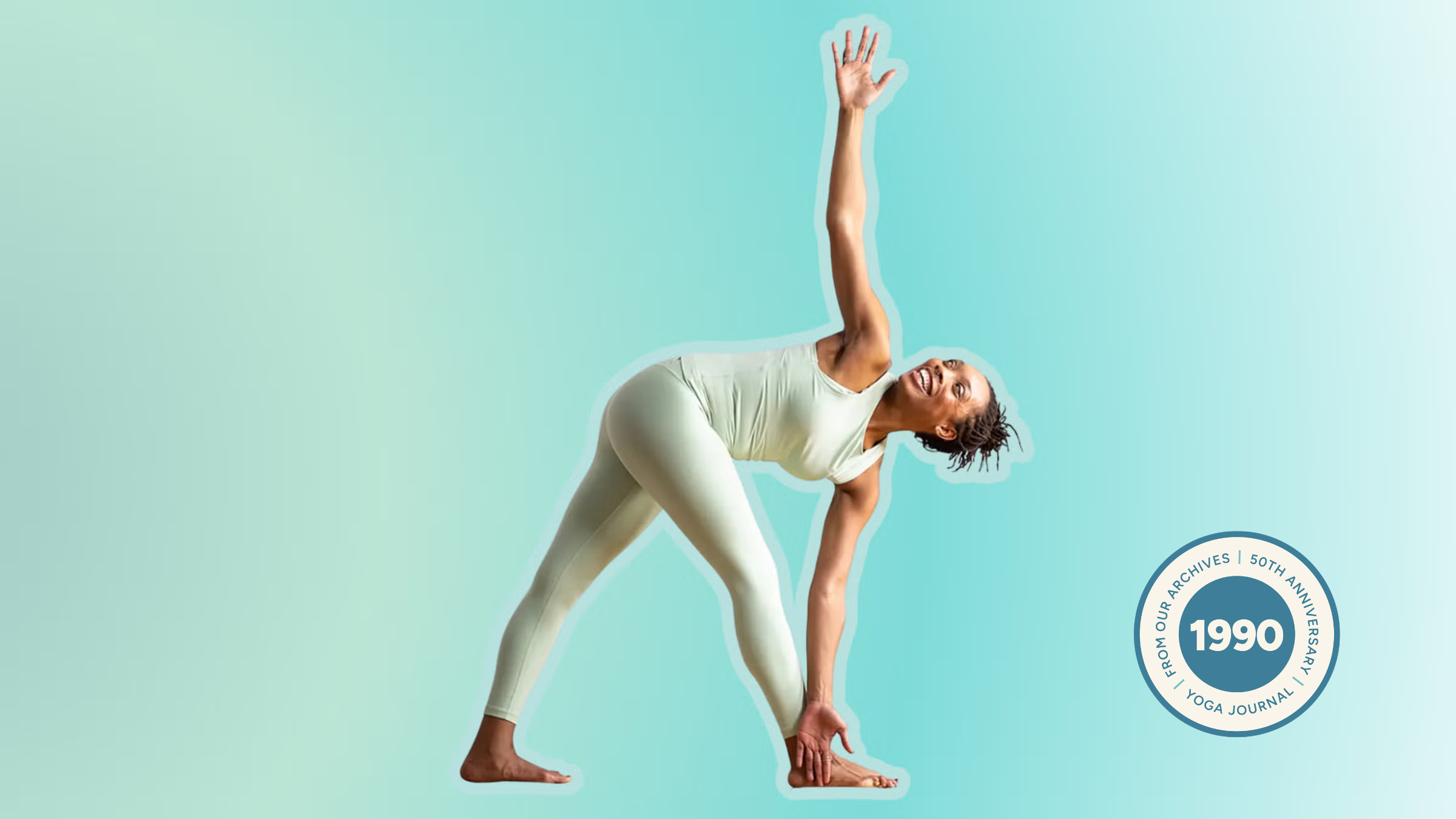
Revolved Triangle Pose is a forward bend and an opening twist that grounds and expands.
The primary therapeutic value of Revolved Triangle Pose lies in its ability to simultaneously lengthen the hamstrings and rotate the spine.
Understanding the Biomechanics of Revolved Triangle Pose
When executing the pose, the pelvis remains squared to the front, which serves as a fixed base for the thoracic rotation. This action helps to build strength in the legs and gluteal muscles, which are necessary for maintaining the integrity of the posture. For those with limited hamstring flexibility, the use of a yoga block under the hand can prevent the rounding of the spine, ensuring that the twist originates from the upper back rather than the lumbar region, where the vertebral discs have less rotational capacity.

Clinical Considerations for Safety and Alignment
To safely enter the pose, start in a wide stance, turning the front foot forward and the back foot out at a slight angle. As you hinge at the hips, keep the spine elongated. The twist should be gradual, following the breath.
Integrating Stability into Daily Practice
Incorporating Revolved Triangle Pose into a broader routine can help improve proprioception—the body’s ability to sense its position in space.
To maximize the benefits of this pose, focus on the following elements:
- Grounding: Ensure both heels are firmly pressed into the floor to provide a stable foundation.
- Core Engagement: Draw the navel toward the spine to support the lower back during the rotation.
- Breath Control: Use deep, rhythmic breathing to facilitate the movement; avoid holding the breath, which can increase intra-abdominal pressure.
As with all physical training, the goal is progressive improvement. If you are new to this movement, consider practicing near a wall for support or working with a certified yoga instructor to refine your alignment. Always monitor your physical response and adjust your intensity based on your current level of flexibility and strength. Please share your experiences with this pose or any questions regarding its impact on your fitness routine in the comments section below.