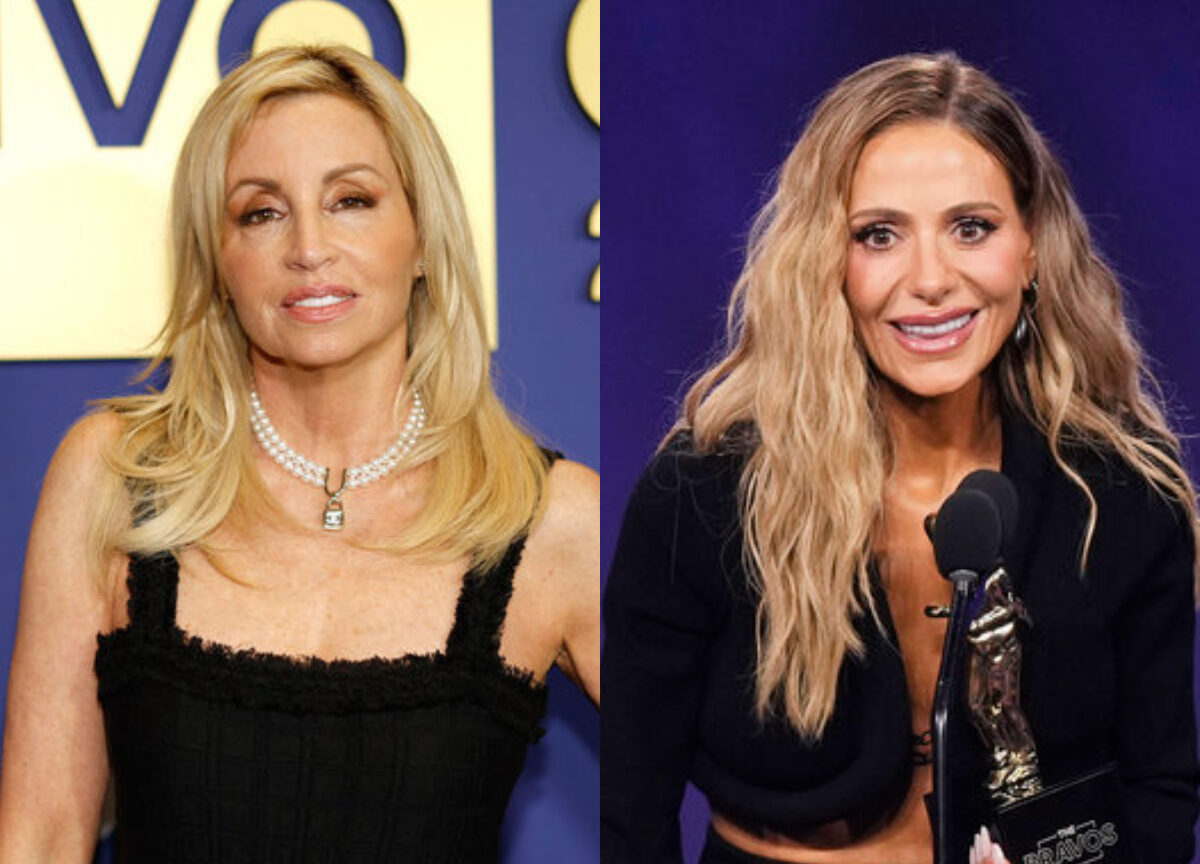
Camille Grammer has publicly responded to comments made by Dorit Kemsley regarding their interactions within the Real Housewives of Beverly Hills franchise. Following Kemsley’s appearance on Watch What Happens Live, where she discussed her perceptions of Grammer, the former cast member utilized social media to characterize Kemsley’s remarks as an attempt to portray her as someone seeking undue attention.
The exchange, which surfaced on social media platforms earlier this week, highlights the ongoing interpersonal friction that often characterizes the long-running reality series. Grammer’s rebuttal specifically addressed Kemsley’s claims, suggesting that the narrative of “chasing the spotlight” was a misrepresentation of her own motivations and behavior.
The Origins of the Recent Tensions
The disagreement stems from Kemsley’s recent guest spot on Watch What Happens Live, a late-night talk show hosted by Andy Cohen. During the broadcast, Kemsley offered her perspective on various cast dynamics, including her history with Grammer. Kemsley suggested that Grammer’s recent commentary on the show and its participants was motivated by a desire to remain relevant in the public eye.

Grammer, who has been a prominent figure in the franchise’s history since its inception in 2010, responded by labeling Kemsley’s assessment as a deflection. According to Grammer’s public statements, the accusation of seeking attention is a common tactic used to discredit critics. She argued that Kemsley is instead “playing the victim” to avoid addressing the substance of the criticisms leveled against her.
Understanding the Reality Television Dynamic
The friction between the two television personalities is not entirely new, as both have navigated the complex social hierarchies of the show over several seasons. In the context of The Real Housewives of Beverly Hills, public discourse between current and former cast members often serves to maintain audience engagement during gaps between production cycles.
For viewers, these exchanges often illustrate the blurred lines between personal grievances and the performative nature of reality television. By utilizing platforms like Instagram to respond to broadcast comments, participants can bypass traditional media gatekeepers, allowing for a more direct, albeit highly curated, form of communication with their fanbase.
What Happens Next
As of June 8, 2026, there have been no further official statements from either party regarding a potential reconciliation or a continuation of the public debate. The production schedule for future seasons of the franchise remains managed by Bravo, and casting or guest appearances are typically announced through official network channels. Fans of the series continue to follow these developments on social media, where the discourse remains active.
We will continue to monitor these developments as they unfold. Readers are encouraged to share their thoughts on these recent events in the comments section below.
Worth a look