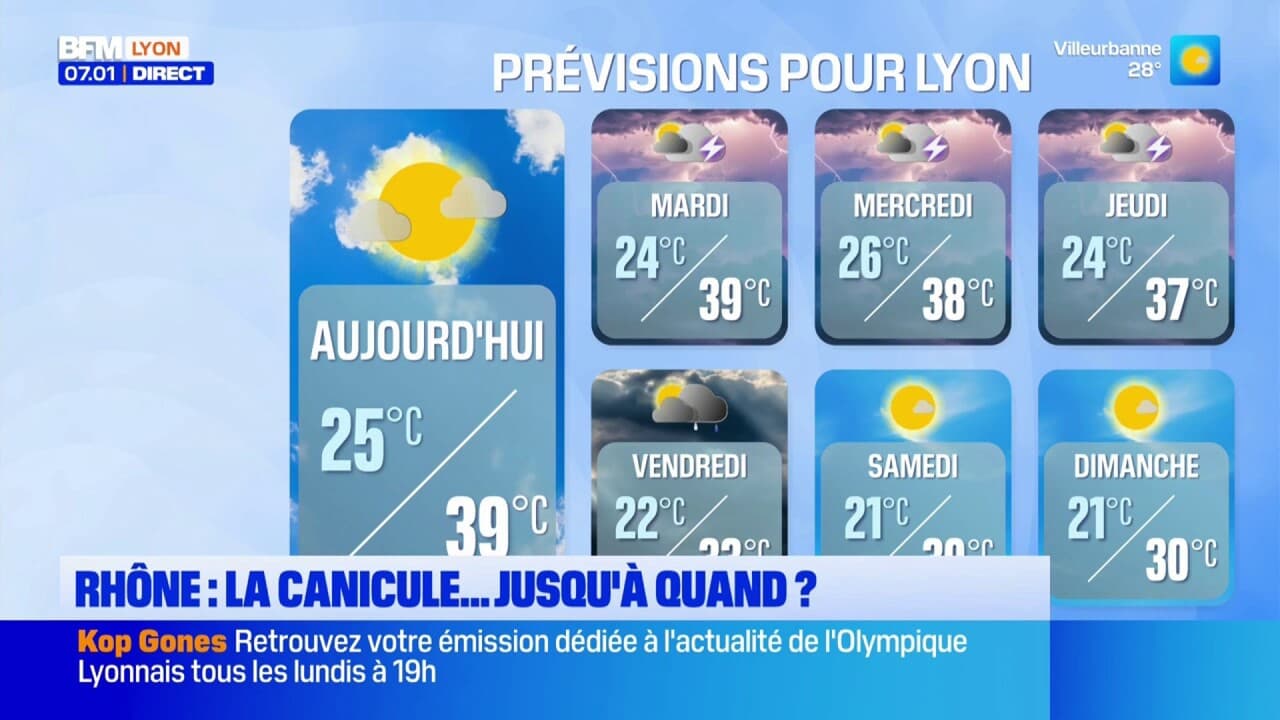
Residents across the Rhône department in France are currently facing a period of intense heat, with meteorological authorities monitoring the duration and severity of the current weather pattern. According to Météo-France, the region has been subject to elevated temperatures that necessitate heightened caution regarding public health and safety, particularly for vulnerable populations. As of the latest updates, the persistence of these high temperatures remains a primary focus for local civil protection services and regional authorities.
The current heatwave, locally referred to as a “canicule,” is defined by sustained high temperatures that do not sufficiently drop during the night, preventing the human body from recovering from the daytime heat. The French Ministry of Health and Prevention maintains a comprehensive national heatwave plan designed to coordinate emergency responses and preventative measures when temperatures cross specific thresholds. These thresholds vary by department based on local climate norms, meaning that what constitutes a heatwave in the Rhône may differ from other parts of the country.
Monitoring the Heat Thresholds
In the Rhône, local authorities and Météo-France track both daytime highs and nighttime lows to assess the risk level. When these figures remain above established averages for at least three consecutive days, officials typically escalate the departmental alert level. This triggers specific protocols, including the activation of communal registers for the elderly and isolated individuals, and the mobilization of medical services to manage heat-related illnesses such as heatstroke and severe dehydration.
According to the Santé Publique France, the primary objective of these alerts is to reduce the mortality and morbidity associated with extreme weather events. The agency provides real-time data and guidance to help the public recognize symptoms of heat exhaustion, such as dizziness, muscle cramps, and intense thirst. Residents are encouraged to stay in cool environments, drink water regularly, and avoid strenuous physical activity during the hottest parts of the day.
Public Health and Safety Measures
The impact of prolonged heat extends beyond individual health to infrastructure and public services. Local municipalities in the Rhône often implement “cool islands”—public buildings, parks, or shaded areas—where residents can seek relief from the sun. Furthermore, regional transport authorities may adjust services or issue travel advisories if tracks or road surfaces are affected by thermal expansion, a phenomenon monitored by the Ministry of Ecological Transition.
Data from the French government indicates that the frequency and intensity of heatwaves in France have increased over the past several decades, a trend attributed by climate scientists to broader changes in global weather patterns. While individual heatwave events are distinct from long-term climate trends, the cumulative effect of these periods necessitates long-term adaptation strategies for urban planning and public health infrastructure.
What Happens Next and Where to Find Updates
The duration of the current heat episode depends on the movement of atmospheric pressure systems across Western Europe. Meteorological models are updated multiple times daily by national agencies, and the most reliable source for the latest forecast in the Rhône remains the Météo-France vigilance map. This digital platform provides color-coded alerts—green, yellow, orange, or red—that dictate the level of urgency and the specific actions required by the population.
Residents are advised to monitor local radio broadcasts and official social media channels managed by the Prefecture of the Rhône for specific instructions regarding water usage or public activity restrictions. As the situation evolves, official statements will provide clarity on when temperatures are expected to return to seasonal norms. For ongoing updates, the government’s Service-Public.fr portal serves as a central hub for all emergency administrative information and health precautions.
We will continue to monitor the situation as official reports are released. Please share your experiences or questions in the comments section below, and ensure you are following official local government channels for the most immediate safety alerts in your specific municipality.
Keep reading