
Taxi drivers operating at the Lyon Part-Dieu railway station are calling for a significant overhaul of passenger pickup zones, citing logistical bottlenecks that hinder operations for the approximately 140 licensed drivers serving the hub. The request follows a period of intense construction and reconfiguration at the city’s primary transit artery, which has left many drivers frustrated by the current lack of a dedicated station directly in front of the main entrance.
According to local transport representatives, the design of the redeveloped station forecourt has complicated access for professional drivers, leading to what some describe as a chaotic environment for both commuters and transport providers. The concerns center on the distance between the station exit and the current designated taxi waiting areas, which drivers argue does not meet the functional needs of a major European transit center.
Infrastructure Challenges at Lyon Part-Dieu
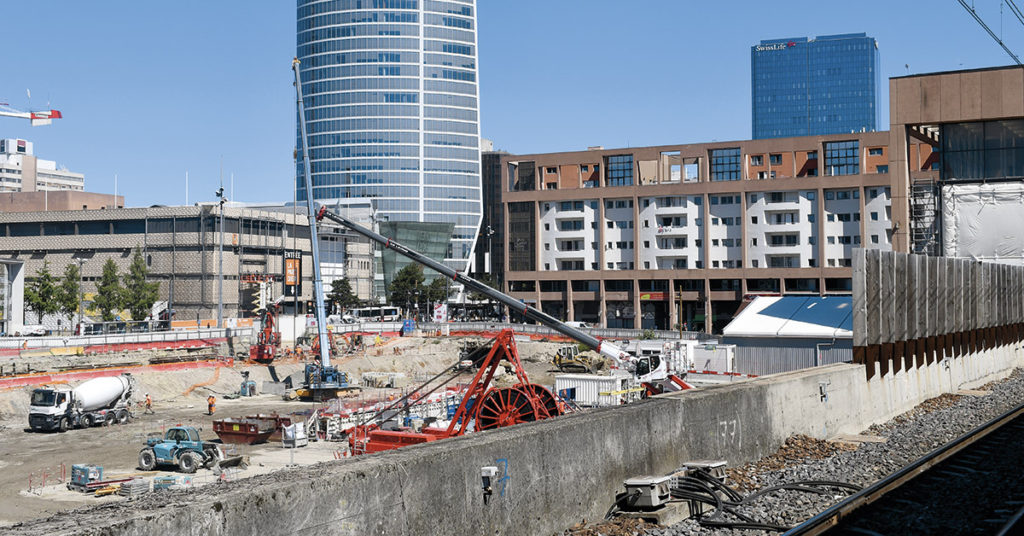
The Lyon Part-Dieu station, which serves as a critical node in the French rail network, has undergone a massive multi-year transformation project aimed at increasing capacity and improving pedestrian flow. However, the integration of taxi services into this new layout has become a point of contention. As reported by SNCF Réseau, the project involved complex work to manage multimodal traffic, including buses, trams, and private vehicles, within a dense urban environment.
Drivers argue that the current setup creates an unnecessary disconnect. “I have never seen a station without a taxi stand in front of the main entrance,” one veteran driver noted, reflecting a sentiment shared by many in the local taxi union. The primary grievance involves the placement of the taxi rank, which drivers claim is too far from the main passenger flow, forcing elderly or mobility-impaired passengers to navigate long distances with luggage.
The Impact on Daily Operations
For the 140 drivers who rely on the Part-Dieu hub, the current arrangement represents more than a minor inconvenience. It affects their ability to maintain a steady flow of service. When taxi stands are poorly positioned or undersized, it often leads to congestion in surrounding streets as drivers wait for space to open up. This ripple effect can cause delays for passengers and increase carbon emissions due to idling vehicles.
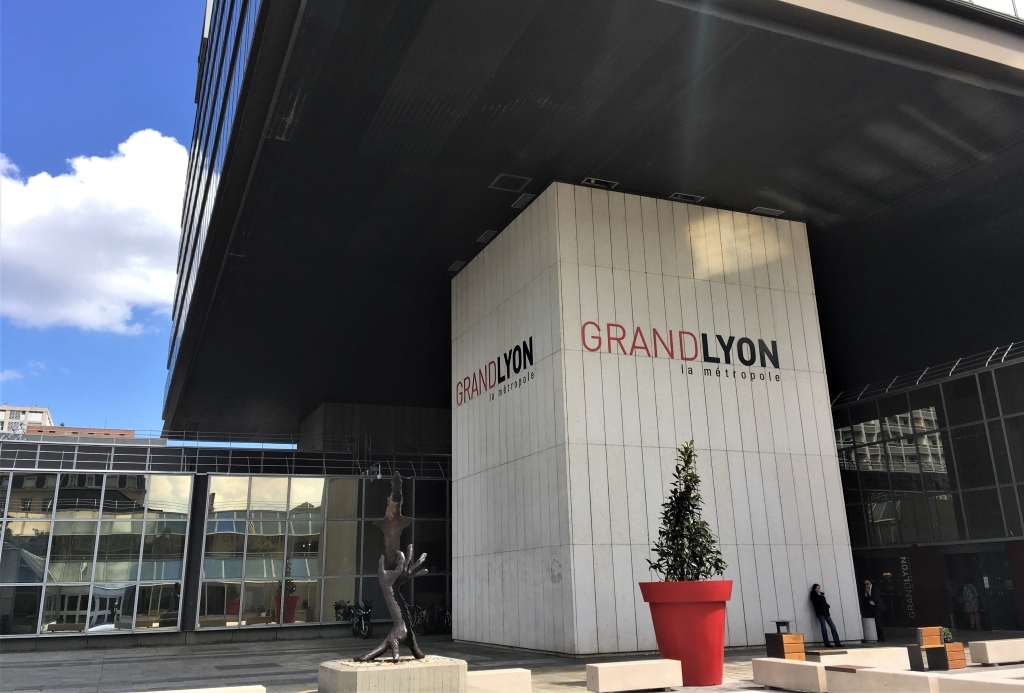
Local authorities and the Grand Lyon metropolitan government have historically attempted to balance the needs of various transport modes. Managing the interface between high-speed rail arrivals and surface transport remains a delicate balancing act. Previous studies on urban mobility in the area have highlighted the importance of “last-mile” connectivity, which taxi services provide for passengers who cannot easily utilize the city’s bus or tram networks.
Current Status and Future Adjustments
As of late 2024, there has been no official announcement regarding a relocation of the taxi stands. The current configuration remains part of the broader Lyon Part-Dieu urban renewal project, which is designed to handle the growing number of daily passengers—a figure that has steadily increased as the station integrates more high-speed TGV connections.

While the administration emphasizes the need for a pedestrian-friendly forecourt, the taxi collective continues to lobby for a more pragmatic solution that places them closer to the heart of the transit hub. The next steps for the station’s management will likely involve a review of traffic flow metrics and potential adjustments to the site’s permit conditions for public transport vehicles.
Updates regarding any potential modifications to the Part-Dieu station logistics will be communicated through the official municipal channels of the City of Lyon. Residents and regular commuters are encouraged to monitor local transport advisories for changes to pickup and drop-off points. We invite our readers to share their experiences with local transit infrastructure in the comments section below.
Worth a look