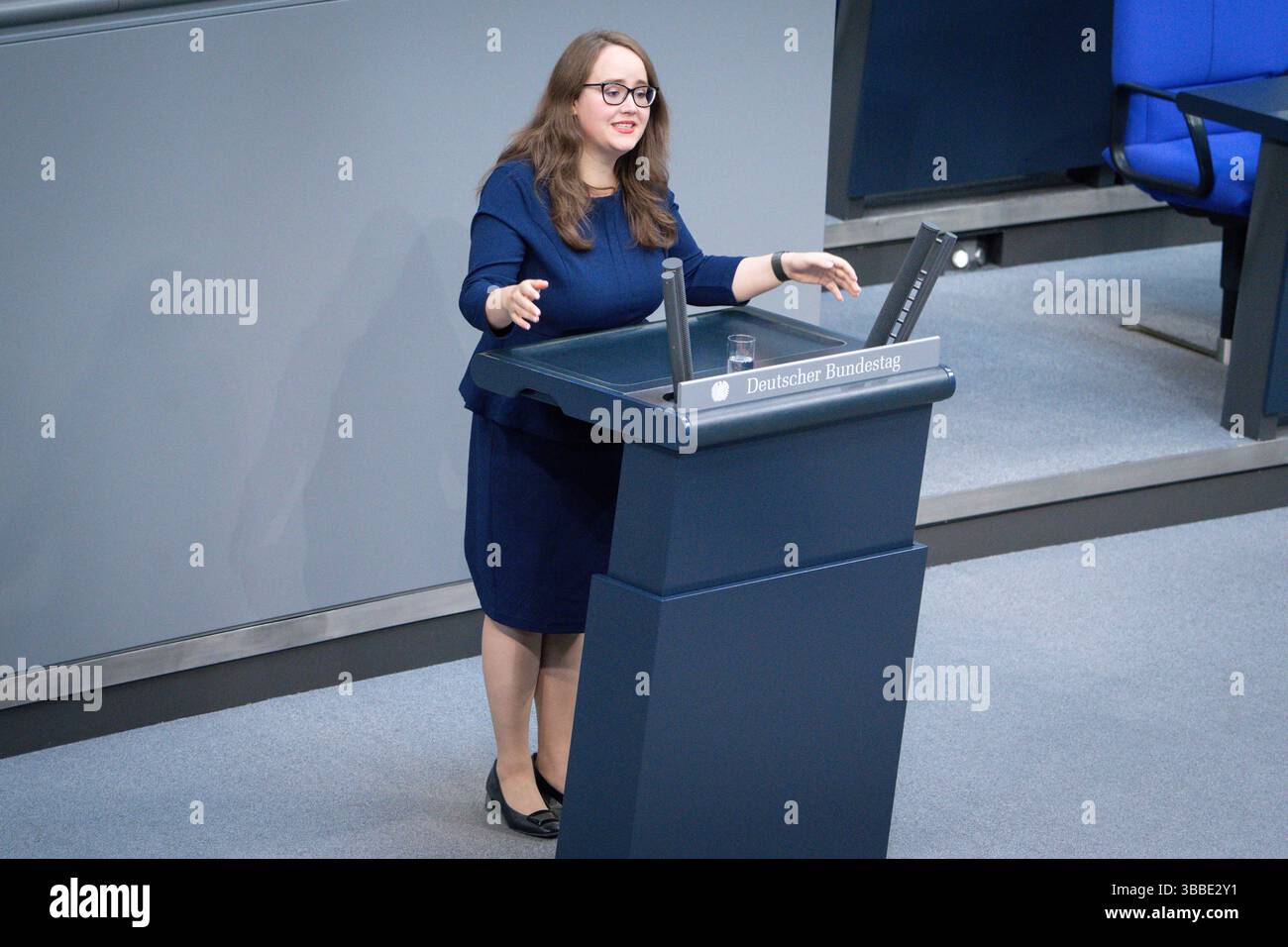
The release of the internal Robert Koch Institute (RKI) files has sparked a significant public and political debate regarding the decision-making processes during the COVID-19 pandemic in Germany. Amidst growing calls for transparency, Ricarda Lang, chair of the Alliance 90/The Greens party, recently addressed questions concerning the handling of the crisis and the transparency of government-advisory bodies during a public discussion.
The RKI files consist of thousands of pages of minutes from the institute’s crisis management team, which were released following a legal battle and subsequent publication by independent journalists. According to the Robert Koch Institute’s official portal, these documents provide a detailed look at the internal deliberations held between 2020 and 2023. The discourse focuses on the extent to which political directives influenced scientific recommendations, particularly regarding school closures, vaccination strategies, and the assessment of risk levels.
The Debate Over Pandemic Policy Transparency
During the discussion, questions were raised about whether the federal government adequately integrated scientific findings into its legislative actions or if political pressures led to the suppression of dissenting expert opinions. Ricarda Lang emphasized that the pandemic was an unprecedented situation requiring rapid decision-making based on the information available at the time. She noted that while retrospect is always clearer, the government’s primary objective remained the protection of public health and the stabilization of the healthcare system.
The publication of the RKI documents has prompted a wider examination of the “Infection Protection Act” (Infektionsschutzgesetz), which served as the legal framework for pandemic measures in Germany. The Federal Ministry of Health maintains that the legislation was necessary to grant the government the flexibility to react to changing infection rates. Critics, however, argue that the release of the minutes reveals that some measures were maintained despite internal concerns regarding their efficacy or proportionality.
YouTube:
Scientific Independence and Political Influence
A central point of contention involves the relationship between the Robert Koch Institute and the Federal Ministry of Health. Under the German Infection Protection Act, the RKI functions as the central federal institution for disease control. The recently disclosed protocols show that the institute’s risk assessment was occasionally adjusted in coordination with political leadership.
For many observers, the core question is whether the RKI maintained its role as an independent scientific authority. Legal experts and civil liberties advocates have pointed to specific entries in the protocols that suggest internal scientific disagreement was not always reflected in the public-facing risk communication. The German Bundestag’s Health Committee has held multiple sessions to address these concerns, focusing on the procedural integrity of government agencies during the crisis period.
What Happens Next for Pandemic Accountability
The public demand for a formal parliamentary inquiry commission (Enquete-Kommission) has gained momentum in recent months. Supporters of such an inquiry argue that a comprehensive, non-partisan review is essential to restore public trust in state institutions. Conversely, some government officials argue that current transparency initiatives, including the full declassification of the RKI files, are sufficient to address the public’s questions.
As the discourse continues, the focus is shifting toward the long-term implications for public health policy. The German government is currently evaluating the lessons learned from the pandemic to refine future emergency response plans. This includes potential amendments to how advisory bodies are structured and how internal dissent is recorded and managed within federal agencies.
The next major checkpoint in this ongoing process will be the continued review of the protocols by the Bundestag’s health experts and the potential publication of further redacted sections of the files. The Robert Koch Institute has stated it is working to provide maximum transparency while adhering to data protection laws, with regular updates posted to their dedicated documentation page. Readers are encouraged to monitor official parliamentary records and the RKI’s periodic reporting for further developments as this story unfolds.
Related reading
- Women’s Health Strategy: No Improvement After One Year as Minister Lacks Urgency
- How the Corona Pandemic Fueled the Fintech Boom: The Rise of Payment Giants like Adyen
- House of the Dragon Season 3: Episode 7 Review and Finale Teasers (world-today-news.com)
- Antiphospholipid Syndrome Case Highlights Stroke Risks in Elderly Patients (time.news)