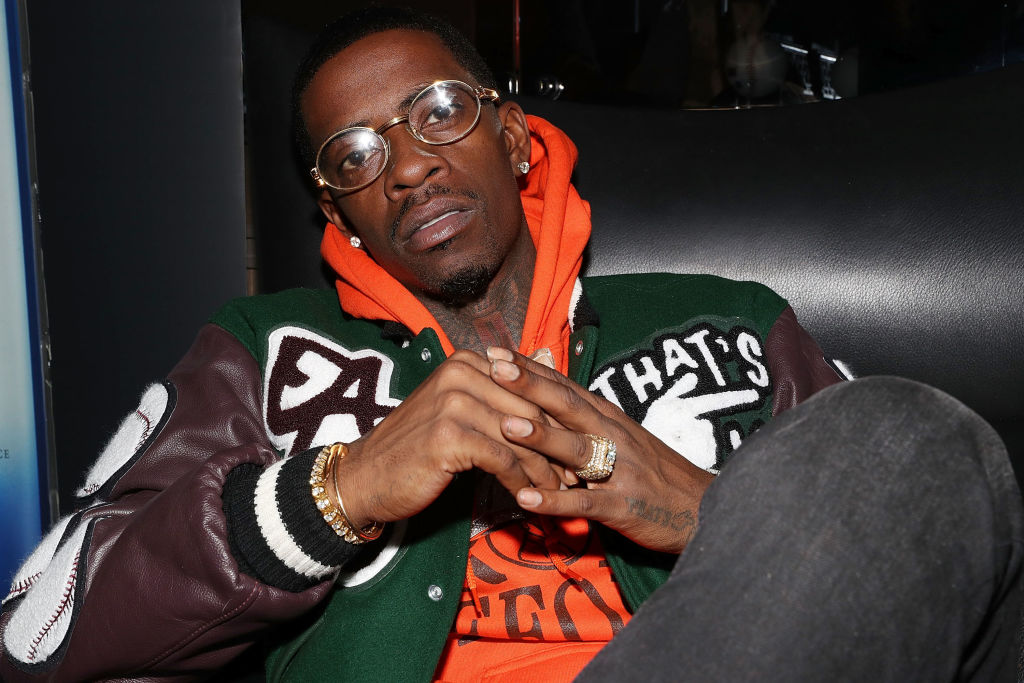
The intersection of digital technology and artistic legacy has sparked intense debate following the release of an AI-assisted music video featuring the late Atlanta rapper Rich Homie Quan. The artist, born Dequantes Devontay Lamar, passed away in September 2024, an event that deeply affected the hip-hop community. The recent digital project, which incorporates synthetic imagery to depict the rapper in reflective, intimate settings, has ignited a polarized response from fans, industry observers, and ethicists alike.
The controversy centers on the use of artificial intelligence to generate likenesses of deceased performers. In the video, a digital recreation of the rapper is shown in scenes that include his children, a creative choice that has drawn both praise for its perceived emotional resonance and sharp criticism regarding the ethics of using a deceased individual’s image without their consent. The discourse reflects a broader, ongoing tension in the entertainment industry concerning the boundaries of technology in posthumous artistic projects.
Rich Homie Quan’s team is receiving backlash for releasing an AI-generated video of Rich Homie Quan teasing new music pic.twitter.com/CBB3eLrX5P— FearBuck (@FearedBuck) May 21, 2026
The Ethics of Digital Resurrection
For many, the core of the issue is the question of consent. Critics argue that regardless of the intent behind a tribute, the act of using AI to “resurrect” a performer crosses a moral threshold. Social media platforms have become the primary battleground for these opinions. One user expressed disbelief, stating, “AI generating a dead man seeing his kids.. Man WTF!” while another remarked, “Imagine scrolling the net and you see an AI made video of your deceased father… society has lost all morals.”
This sentiment highlights the discomfort felt by those who believe that the digital recreation of a deceased person for commercial or entertainment purposes constitutes exploitation. As one critic noted, “AI resurrecting the dead for clout and streams is next-level disrespectful. Let the man rest in peace. Quan gave us enough real hits while he was here. This ain’t a tribute, it’s exploitation.”
Balancing Legacy and Technology
Conversely, some listeners have defended the project, arguing that such technology serves as a bridge for fans who wish to maintain a connection to an artist’s work. The argument for these proponents is that the digital imagery is a tool to sustain a legacy in a modern, digital-first era. One supporter commented, “I mean he’s not here to do it. And this is how they feel it keeps him alive in this day and time how others get upset.”

This perspective suggests that for a segment of the audience, the emotional value of seeing a familiar artist—even in a synthetic capacity—outweighs the ethical concerns. The hesitation, however, remains prevalent. Even among those who do not outright condemn the project, there is a sense of uncertainty. “Sounds dope but don’t know how I feel about it,” one fan observed, illustrating the internal conflict many face when reconciling their admiration for the music with the methods used to present it.
Broader Industry Implications
The conversation surrounding the late Atlanta rapper is not an isolated incident but rather part of a growing trend of AI-driven controversy in the music industry. The use of synthetic imagery in music videos and promotional material has become increasingly common, often drawing scrutiny for its potential to mislead audiences or exploit the likenesses of those who can no longer provide input. This development echoes earlier instances, such as the debate surrounding AI-driven visuals used in recent industry projects that also sparked criticism for their use of synthetic imagery in contexts perceived as flippant or exploitative.
As the music industry continues to experiment with these tools, the debate over who controls an artist’s image after their passing is likely to intensify. Legal and ethical frameworks regarding “digital rights of publicity” for deceased individuals remain a complex and evolving area of law, with different jurisdictions providing varying levels of protection for the estates of late performers.
Key Considerations for the Future
- Consent Frameworks: The industry is currently grappling with how to establish clear guidelines for the posthumous use of an artist’s digital likeness.
- Audience Reception: The stark divide in public opinion suggests that artists and estates will face significant scrutiny when utilizing AI in tribute projects.
- Technological Ethics: The distinction between a respectful tribute and commercial exploitation remains a subjective, yet critical, point of contention for fans.
As this story develops, it serves as a reminder of the profound impact that Rich Homie Quan’s music continues to have on his audience. Whether through his established catalog or the contentious emergence of new AI-assisted content, his influence remains a focal point of online discussion. There have been no further official statements from the late rapper’s estate regarding the specific production of this video, but the ongoing public reaction ensures that this topic will remain at the forefront of discussions regarding the future of music and artificial intelligence.
We invite our readers to share their thoughts on the balance between technological innovation and the preservation of an artist’s legacy in the comments section below.
Worth a look