For individuals who have undergone metabolic and bariatric surgery (MBS), the journey toward long-term weight management does not always follow a linear path. While procedures such as gastric bypass or sleeve gastrectomy are highly effective for many, a subset of patients faces a suboptimal clinical response, often defined by weight loss outcomes that fall short of initial expectations. A new clinical trial, the BARI-STEP study, provides important data for this population, suggesting that the medication semaglutide may offer a significant therapeutic option for those struggling with weight regain or insufficient loss following surgery.
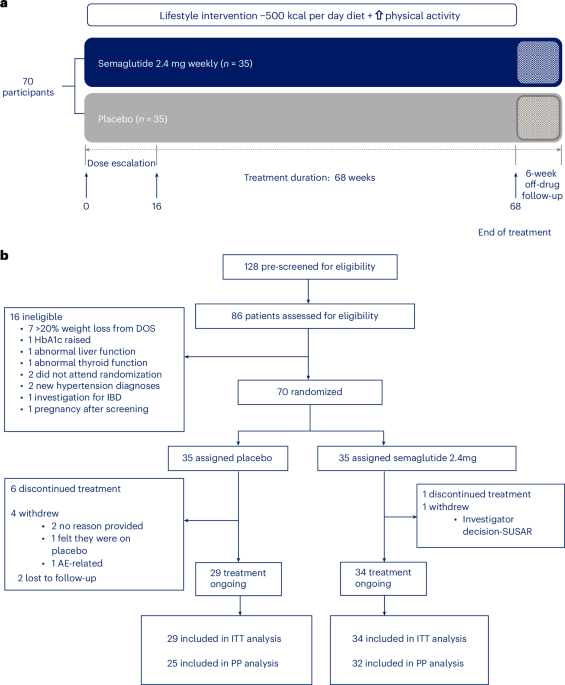
As a physician, I frequently discuss the complexities of obesity management with my patients. It is important to remember that obesity is a chronic, relapsing condition, and even after surgical intervention, the body’s metabolic signaling can remain a challenge. The findings from the BARI-STEP trial, which were recently published in Nature Medicine, offer a rigorous, double-blinded, randomized, placebo-controlled look at how GLP-1 receptor agonists can be integrated into post-surgical care. The study highlights the efficacy of weekly 2.4 mg semaglutide injections in patients who had undergone surgery at least one year prior and were experiencing a suboptimal response, specifically defined as less than 20% weight loss from their original surgery.
Understanding the BARI-STEP Trial Results
The trial, registered under the identifier NCT05073835, enrolled 70 adult participants, with an intention-to-treat sample of 63 individuals. The research design was robust, comparing the effects of a 2.4 mg weekly dose of semaglutide against a placebo over a 68-week period. Participants in both arms of the study also engaged in a lifestyle intervention program, which included a 500-kcal daily energy deficit.
The results were statistically significant. By the conclusion of the 68-week treatment period, participants in the semaglutide group achieved an estimated mean percentage weight loss of -18.0% (standard deviation 9.2). In contrast, those in the placebo group experienced a mean weight change of +0.4% (standard deviation 7.0). The mean adjusted treatment difference between the two groups was -19.18, with a 95% confidence interval ranging from -23.4 to -14.8 (P < 0.001).
Clinical Safety and Patient Considerations
When evaluating new treatment pathways, safety and tolerability are paramount. According to the study data, the adverse events reported during the trial were consistent with the well-documented safety profile of semaglutide, which is already established for its use in weight management and type 2 diabetes treatment. There were no new safety concerns identified specifically for the post-bariatric population. Among the participants, eight serious adverse events were recorded; however, there were no treatment-related deaths, and only one suspected unexpected serious adverse reaction was noted.
Beyond the primary outcome of weight reduction, the researchers observed improvements in metabolic parameters and overall quality of life for those receiving the active treatment. For patients who have hit a plateau after surgery, these findings suggest that pharmacological intervention may serve as a meaningful adjunct to their existing surgical foundation. However, as with any medical intervention, this treatment should only be initiated under the guidance of a healthcare professional who can assess individual health history, potential contraindications, and long-term management needs.
Moving Forward in Metabolic Health
The BARI-STEP trial underscores a shift in how we approach weight management: moving away from a “surgery-only” mindset toward a more comprehensive, longitudinal model of care. For many patients, the combination of metabolic surgery and subsequent pharmacological support could provide a more stable and effective long-term outcome. As the medical community continues to analyze these findings, the focus will likely remain on how to best integrate these therapies into standard post-bariatric follow-up protocols.
For those interested in the details of the study, the full data is available through the Nature Medicine publication. As we look toward future clinical guidance, it is essential that patients maintain open communication with their surgical and endocrine care teams to determine if such interventions are appropriate for their specific health needs. We will continue to monitor updates regarding clinical protocols and regulatory guidance as this field evolves.
Have you or a loved one navigated the complexities of post-bariatric weight management? We invite you to join the conversation below. Please remember that all medical decisions should be made in consultation with your personal physician.
Worth a look