
A viral video capturing a tourist throwing rocks at an endangered Hawaiian monk seal has sparked widespread outrage across the islands, leading Maui officials to vow prosecution against the visitor. The incident, which took place in Lahaina, has transitioned from a social media outcry to a formal state and federal investigation after the man was filmed dismissing the gravity of his actions by citing his personal wealth.
The suspect, identified by environmental authorities in Maui as a 37-year-old tourist from Seattle, Washington, was captured on camera hurling a large rock toward a seal swimming near the shoreline on a Tuesday morning. The animal, identified as Lani, is a well-known fixture on the shores of West Maui and has been seen in the area for more than 20 years.
According to witness accounts and footage, the tourist’s reaction to being confronted was one of indifference. Kaylee Schnitzer, an 18-year-old resident of Maui who witnessed the event, told Hawaii News Now that the man threw a rock “the size of a coconut” specifically aiming for the seal’s head. When Schnitzer confronted the man, he allegedly responded, “I don’t care, I’m rich,” and added, “Fine me with whatever you want. I can pay for it.”
Official Response and Legal Actions
The reaction from local leadership was swift. Maui Mayor Richard Bissen, who identified the seal as Lani in a video posted to social media, has pledged that justice will be served. The Mayor’s office has vowed prosecution in response to the disturbing act of wildlife harassment.
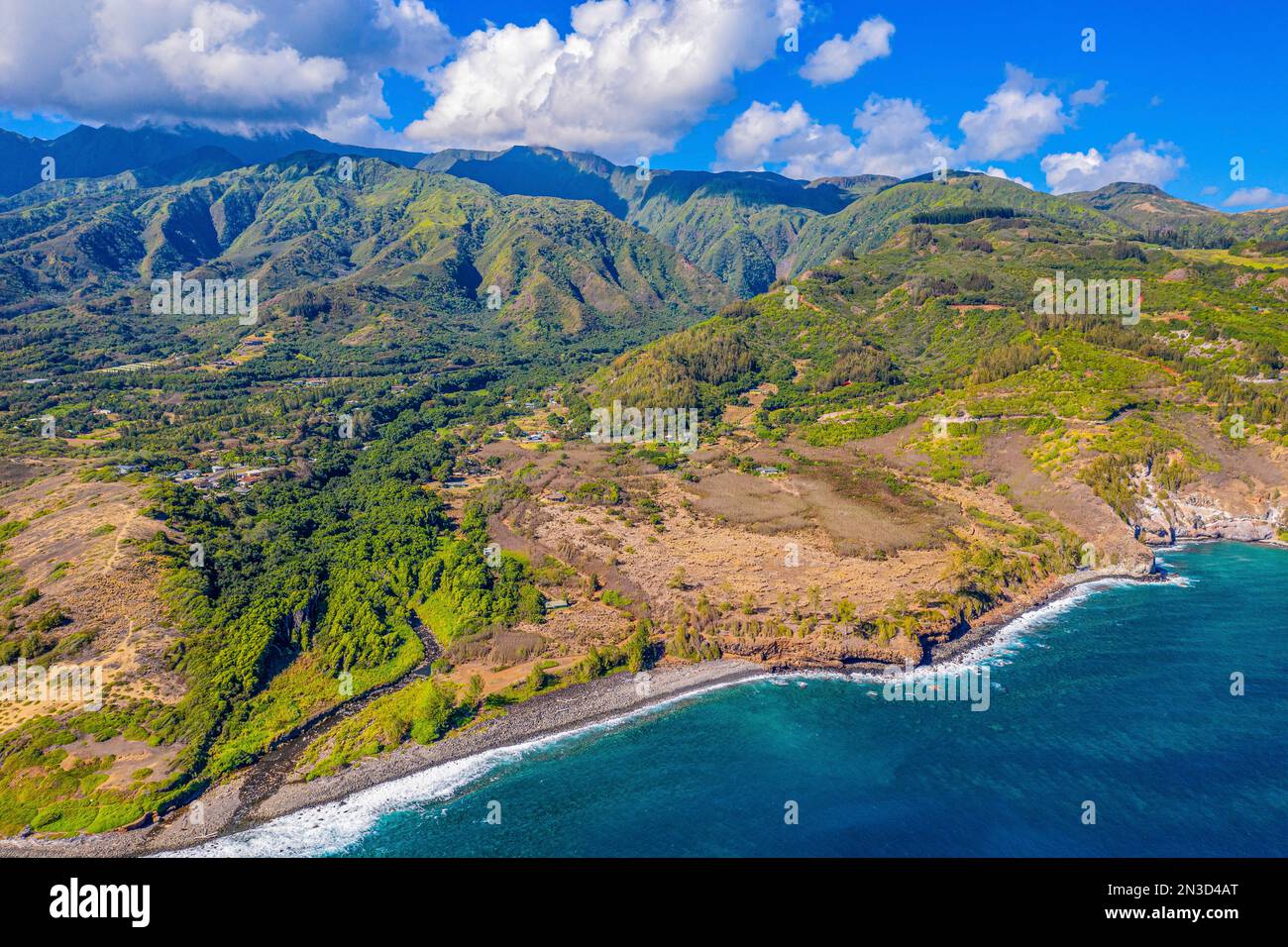
Following the incident, Hawaii’s Department of Land and Natural Resources (DLNR) confirmed via Facebook that its Division of Conservation and Resources Enforcement (DOCARE) detained the man shortly after the event occurred. While the 37-year-old was questioned and subsequently released, the matter has been referred to federal officials for further review. Because the Hawaiian monk seal is a protected species, the case now falls under both state and federal jurisdiction according to reports from NBC Bay Area.
The Significance of Lani and the Hawaiian Monk Seal
The target of the attack, Lani, is more than just a local animal. she is a symbol of the fragile ecosystem in West Maui. Having frequented the shores for over two decades, Lani is recognized by the community, making the act of aggression particularly poignant for local residents.

Hawaiian monk seals are one of the most endangered seal species in the world. Their protection is strictly mandated by law to prevent extinction, as they face numerous threats including habitat loss, entanglement in marine debris and human interference. The act of throwing objects at these animals is not only a violation of local ordinances but can trigger severe penalties under federal laws designed to protect marine mammals.
Why Wildlife Harassment Carries Severe Penalties
The referral of this case to federal officials suggests that the authorities are looking beyond simple municipal fines. Federal protections for endangered species are designed to deter the exact mentality displayed by the Seattle tourist—the belief that financial resources can offset the legal consequences of harming protected wildlife.
When individuals interfere with the natural behavior of endangered species, it can lead to increased stress, physical injury, or the abandonment of critical hauling-out sites. For a species already struggling for survival, a single incident of harassment can have cascading effects on the animal’s health and ability to thrive in its natural environment.

The current investigation will likely focus on whether the man’s actions constitute a violation of the Marine Mammal Protection Act or the Endangered Species Act, both of which provide the federal government with the authority to levy significant fines and, in some cases, pursue criminal charges.
As the case moves into the hands of federal reviewers, the community in Lahaina and across Hawaii continues to monitor the situation, viewing the pursuit of the Seattle tourist as a necessary step in upholding the sanctity of Hawaii’s natural heritage.
The next confirmed step in this process is the review by federal officials to determine if formal charges or federal fines will be issued. We will provide updates as the legal proceedings progress.
Do you believe stricter penalties are needed for tourists who harass wildlife? Share your thoughts in the comments below or share this story to raise awareness about endangered species protection.
Related reading