For over two decades, the battle for living room dominance has been fought not just with hardware specifications, but with the software that defines a generation. Since the launch of the original Xbox in 2001, Microsoft has transitioned from a newcomer attempting to break the Sony-Nintendo duopoly into a gaming behemoth that prioritizes ecosystem accessibility over strict hardware lockdowns. For gamers, this evolution has shifted the conversation from “which console do I need to buy?” to “which subscription service gives me the most value?”
The concept of the “exclusive” has undergone a radical transformation. In the early 2000s, an exclusive was a walled garden; if you wanted to play Halo, you bought an Xbox. Today, Microsoft’s strategy revolves around the Xbox ecosystem, where first-party titles typically launch simultaneously on Xbox consoles and Windows PCs, often bundled into the Game Pass subscription model. This shift has expanded the reach of Microsoft’s most ambitious projects while redefining how the industry views platform loyalty.
As a software engineer turned journalist, I have watched this trajectory with particular interest. The technical leap from the rudimentary AI of the early 2000s to the sprawling, procedurally generated universes of today is a testament to Microsoft’s willingness to invest in high-risk, high-reward development. From the cover-based combat of Gears of War to the open-world vistas of Forza Horizon, Xbox exclusives have often pushed the boundaries of what console hardware can achieve.
Understanding the best Xbox exclusive games requires looking beyond mere sales figures. It involves analyzing how these titles influenced game design across the entire industry and how they have anchored the brand through three distinct console generations. Whether you are a veteran of the 360 era or a newcomer to the Series X, these are the titles that define the Microsoft gaming legacy.
The Architects of the FPS: The Halo Legacy
This proves impossible to discuss Xbox exclusives without starting with Halo. When Halo: Combat Evolved arrived in 2001, it didn’t just launch a console; it proved that first-person shooters (FPS) could work seamlessly on a controller. Before Halo, the FPS genre was almost exclusively the domain of the PC. By implementing a intuitive control scheme and a compelling narrative, Microsoft established a blueprint that nearly every console shooter has followed since.
The franchise reached its cultural zenith with Halo 3, released on September 25, 2007. The game was a landmark event in gaming history, not only for its storytelling but for its integration with Xbox Live, which turned multiplayer gaming into a social network. The “Forge” mode allowed players to create their own maps, introducing a level of user-generated content that was revolutionary for its time. This era cemented the Xbox 360 as the definitive hub for online competitive play.
While the series has seen various iterations and shifts in leadership, the core identity of Halo—combining large-scale warfare with a deep, mysterious lore—remains the cornerstone of Microsoft’s first-party portfolio. The transition to Halo Infinite marked a shift toward a “live service” model, emphasizing evolving content and seasonal updates to keep the community engaged over years rather than months.
Defining the Third-Person Shooter: Gears of War
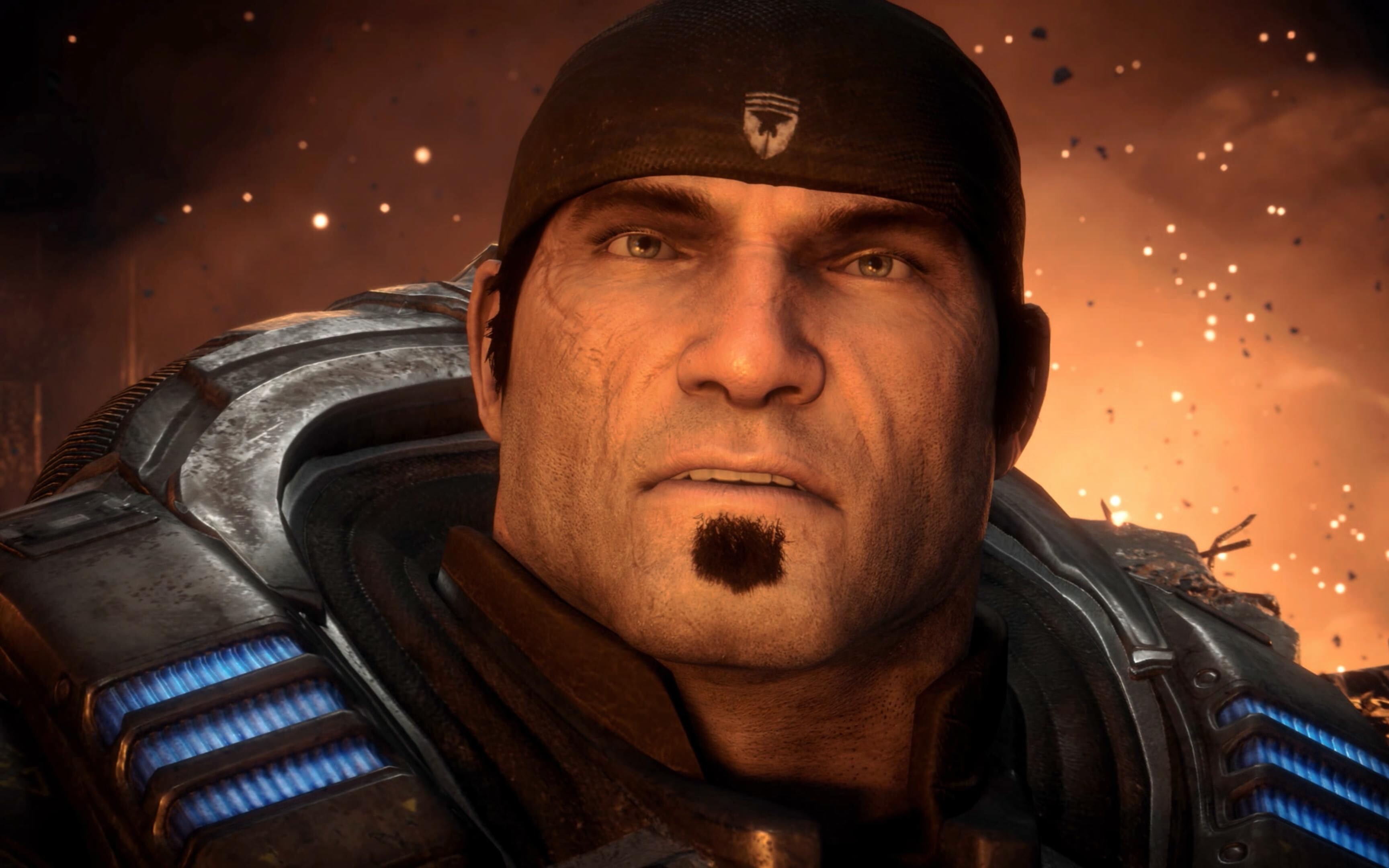
If Halo owned the FPS space, Gears of War redefined the third-person shooter. Released in 2006 for the Xbox 360, Gears of War introduced the “stop-and-pop” cover system. This mechanic, where players snap to walls for protection before popping out to fire, was so influential that it was adopted by countless other franchises across all platforms for the next decade.
Beyond the mechanics, Gears of War was a technical showcase for the Unreal Engine 3. Its “gritty” aesthetic—characterized by heavy armor, industrial decay, and visceral combat—gave the Xbox brand a mature, hard-hitting identity that contrasted with the more colorful offerings of its competitors. The series excelled in cooperative play, fostering a culture of “squad-based” gaming that rewarded teamwork and strategic positioning.
The franchise has since expanded into several sequels and spin-offs, maintaining a consistent focus on familial bonds and the desperation of war. While the narrative scale grew, the core appeal remained the same: tight, impactful gunplay and a rewarding sense of progression, making it a mandatory experience for anyone exploring the history of Xbox exclusives.
The Gold Standard of Racing: The Forza Series
Microsoft’s approach to racing games is split into two distinct philosophies: the simulation of Forza Motorsport and the celebratory open-world exploration of Forza Horizon. Together, they represent the gold standard for automotive gaming. Forza Motorsport caters to the purists, focusing on track precision, telemetry, and the minutiae of car tuning.
However, it is Forza Horizon that has captured the global imagination. By moving the action from the track to sprawling open worlds—from the landscapes of Colorado to the diverse biomes of Mexico in Forza Horizon 5—the series transformed racing into a festival. The game’s emphasis on accessibility ensures that both casual players and simulation enthusiasts can enjoy the experience.
From a technical perspective, the Forza series often serves as the primary benchmark for Xbox hardware. The use of photogrammetry to recreate real-world environments and the implementation of ray tracing in newer titles demonstrate Microsoft’s commitment to visual fidelity. The series doesn’t just simulate driving; it simulates the feeling of a road trip, making it one of the most consistently praised first-party franchises in the company’s history.
The Modern Era: Acquisitions and the Game Pass Shift
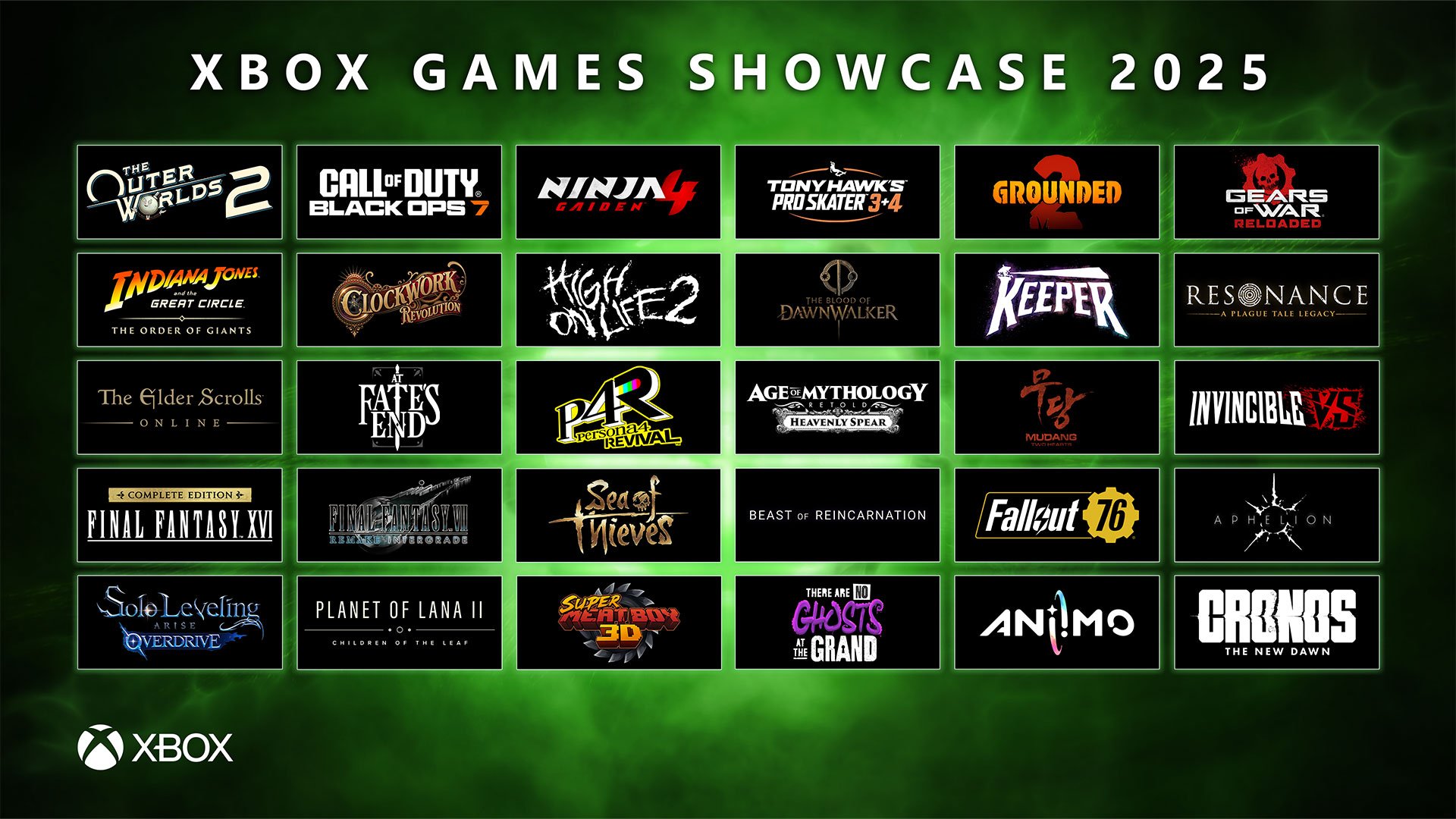
The current generation of Xbox, led by the Series X and Series S, is defined by a massive shift in corporate strategy. Rather than relying solely on internal studios, Microsoft has engaged in aggressive acquisitions to bolster its library. The acquisition of ZeniMax Media, the parent company of Bethesda Softworks, brought legendary IPs like The Elder Scrolls and Fallout under the Xbox umbrella.
This strategy culminated in the release of Starfield on September 6, 2023. As Bethesda’s first new intellectual property in 25 years, Starfield represented a bold gamble: a massive, space-faring RPG designed to leverage the power of the Series X. While the game sparked debate over its traversal mechanics and loading screens, its sheer ambition—featuring over 1,000 explorable planets—underscores the scale of projects Microsoft is now capable of funding, and publishing.
Parallel to these acquisitions is the rise of Xbox Game Pass. By offering a “Netflix for games” model, Microsoft has decoupled the value of an exclusive from the initial purchase price. This has allowed smaller, more experimental titles to find an audience. Games like Hi-Fi Rush, a rhythm-action title that was released as a “shadow drop” (announced and released on the same day), might have struggled in a traditional retail environment but flourished within the Game Pass ecosystem.
The Ecosystem Debate: What is a “True” Exclusive?
In the current landscape, the term “exclusive” is increasingly nebulous. Because almost every first-party Xbox game is also available on Windows 10 and 11, the industry has moved toward the term “platform exclusive.” In other words the game is exclusive to the Microsoft ecosystem, rather than a specific piece of plastic under the TV.
This approach has significant implications for the “console wars.” By prioritizing the ecosystem, Microsoft is betting that the future of gaming is platform-agnostic. For the consumer, this is a win; it means more flexibility in how and where they play. For the industry, it sets a precedent that the value of a game lies in the service and the community rather than the hardware lock.
However, this strategy also places a heavy burden on Microsoft to consistently deliver high-quality content to justify the Game Pass subscription. The success of the ecosystem now depends on a steady stream of “system sellers”—games so compelling that they drive users to subscribe to the service or purchase the hardware to experience them at their best.
Key Takeaways: The Xbox Exclusive Evolution
- The Halo Effect: Established the viability of FPS on consoles and pioneered the social aspects of online gaming via Xbox Live.
- Mechanical Innovation: Gears of War introduced the cover-based shooter mechanic, which became a global industry standard.
- Visual Benchmarking: The Forza series continues to push the technical limits of console hardware through photorealistic environments.
- Strategic Pivot: The move from “Console Exclusive” to “Ecosystem Exclusive” via Game Pass and PC parity.
- Content Expansion: Massive acquisitions (Bethesda, Activision Blizzard) have shifted the focus toward sprawling RPGs and legacy franchises.
Comparing the Eras of Xbox Exclusives
| Era | Defining Title | Primary Focus | Distribution Model |
|---|---|---|---|
| Original Xbox | Halo: Combat Evolved | Genre Establishment | Physical Disc |
| Xbox 360 | Gears of War / Halo 3 | Online Connectivity | Physical / Digital Store |
| Xbox One | Forza Horizon | Open World / Multimedia | Physical / Digital Store |
| Xbox Series X/S | Starfield / Hi-Fi Rush | Ecosystem Integration | Game Pass Subscription |
Looking forward, the next major checkpoint for the Xbox ecosystem will be the continued integration of Activision Blizzard titles into the Game Pass library, a move that will likely redefine the value proposition of the service for millions of users. As the lines between console and PC continue to blur, the “best” exclusives will be those that transcend the hardware they were born on.

Do you believe the shift toward ecosystem exclusives is the future of gaming, or do you miss the era of strict console lockdowns? Share your thoughts in the comments below and let us know which Xbox title defined your gaming experience.
Related reading