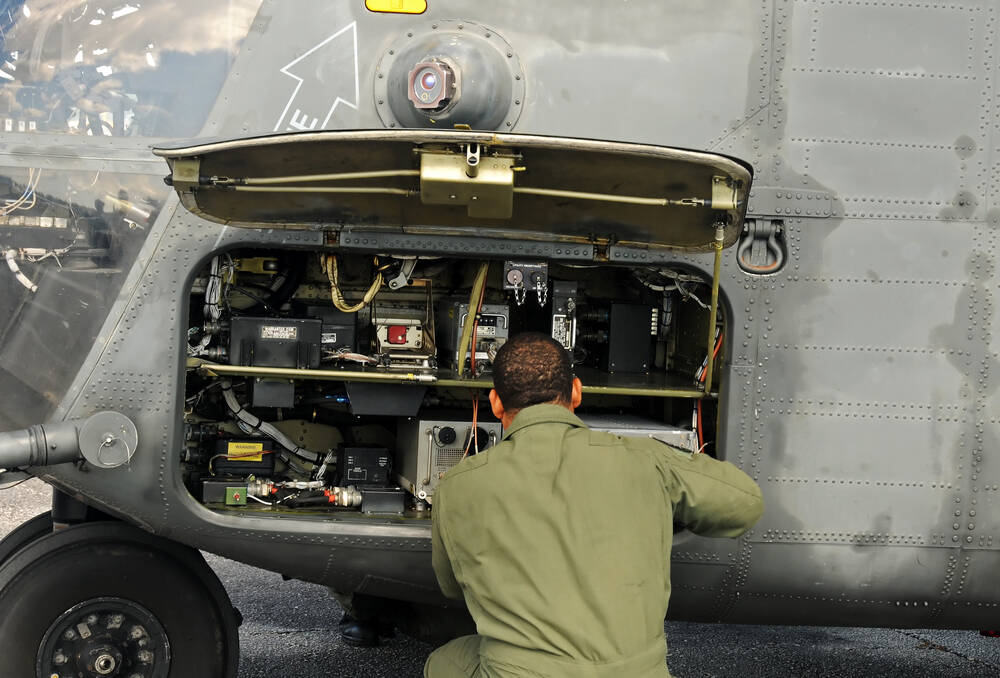
Defense Industry Successfully Lobbies Against Right-to-repair in 2026 NDAA
The 2026 national Defense Authorization Act (NDAA) - a critical piece of legislation for the U.S. military – excluded key right-to-repair provisions despite a strong push from advocates. This outcome highlights the notable influence of defense contractors who stand to profit from the current system of costly sustainment contracts. Here’s a breakdown of what happened, why it matters, and what’s next for the fight for military repairability.
What Was at Stake?
Right-to-repair legislation aims to give autonomous repair shops and the military itself access to the parts, tools, and information needed to fix equipment. This would lower costs, speed up repairs, and possibly improve military readiness. The proposed provisions in the 2026 NDAA would have mandated this access for defense systems.
Why Did It Fail?
According to Nathan Proctor,senior director of PIRG‘s Right to Repair campaign,the defense industry mounted a considerable lobbying effort to block the provisions. These companies,with “deep pockets and influence on Capitol Hill,” benefit from the military’s reliance on their expensive repair services.
The industry successfully argued against opening up access, effectively protecting their inflated sustainment costs. A “data as a service” solution – favored by defense contractors – was also rejected. This would have kept repair data controlled by vendors, rather than providing it upfront with procurement.
Key Players and Funding
The influence of defense contractors is evident in campaign contributions.
* Mike Rogers (R-AL), chair of the House Armed Services Committee, and Adam Smith (D-WA), the ranking Democrat, have both received significant funding from defense companies in recent years.
* While correlation doesn’t equal causation, the timing and amounts raise concerns about potential influence. You can review their funding details on OpenSecrets: Mike Rogers and Adam Smith.
What Did Make It Into the NDAA?
Despite the setback, the fight isn’t entirely lost. House and Senate committees negotiated some right-to-repair permissions into the final bill. these include:
* Identifying Data Gaps: The Department of Defense must now identify instances were a lack of technical data hinders weapon and aviation system operation or maintenance.
* Technical Data System: A new system will be established to track and assess data related to system maintenance and repair.
However, these provisions fall short of a true right-to-repair solution. The technical data system specifically mentions “authorized repair contractors,” and there’s no focus on parts availability or broader repairability improvements.
Why This Matters to You
This outcome impacts not only military spending but also national security. A more open repair ecosystem could:
* Reduce Costs: Lower sustainment costs free up resources for other critical defense priorities.
* Improve Readiness: Faster repairs mean more equipment is operational when needed.
* Enhance Security: Reducing reliance on a limited number of contractors can mitigate supply chain vulnerabilities.
Looking Ahead to 2027
Right-to-repair advocates are already gearing up for another attempt in the 2027 NDAA.
“PIRG and our partners will work to ensure this common sense solution to cut costs, improve readiness and help save servicemembers’ lives makes it through the finish line in the FY27 NDAA,” Proctor stated.
The fight for military right-to-repair is far from over.Continued advocacy and public pressure will be crucial to overcoming the influence of powerful industry interests and ensuring a more efficient, secure, and cost-effective defense system.
Disclaimer: This article provides information based on publicly available sources and expert commentary. It is intended for informational purposes only and does not constitute professional advice.
- Why Regulatory Readiness is a Competitive Advantage for CIOs
- Italian Driver Avoids Speed Camera Fines Legally: How He Did It
- The Congressional Review Act, Explained: How Congress Kills Federal Rules (daybreakwire.com)
- Stuart Fails to Save the Universe Episode 2 Features Surprise Big Bang Theory Cameo (news-usa.today)