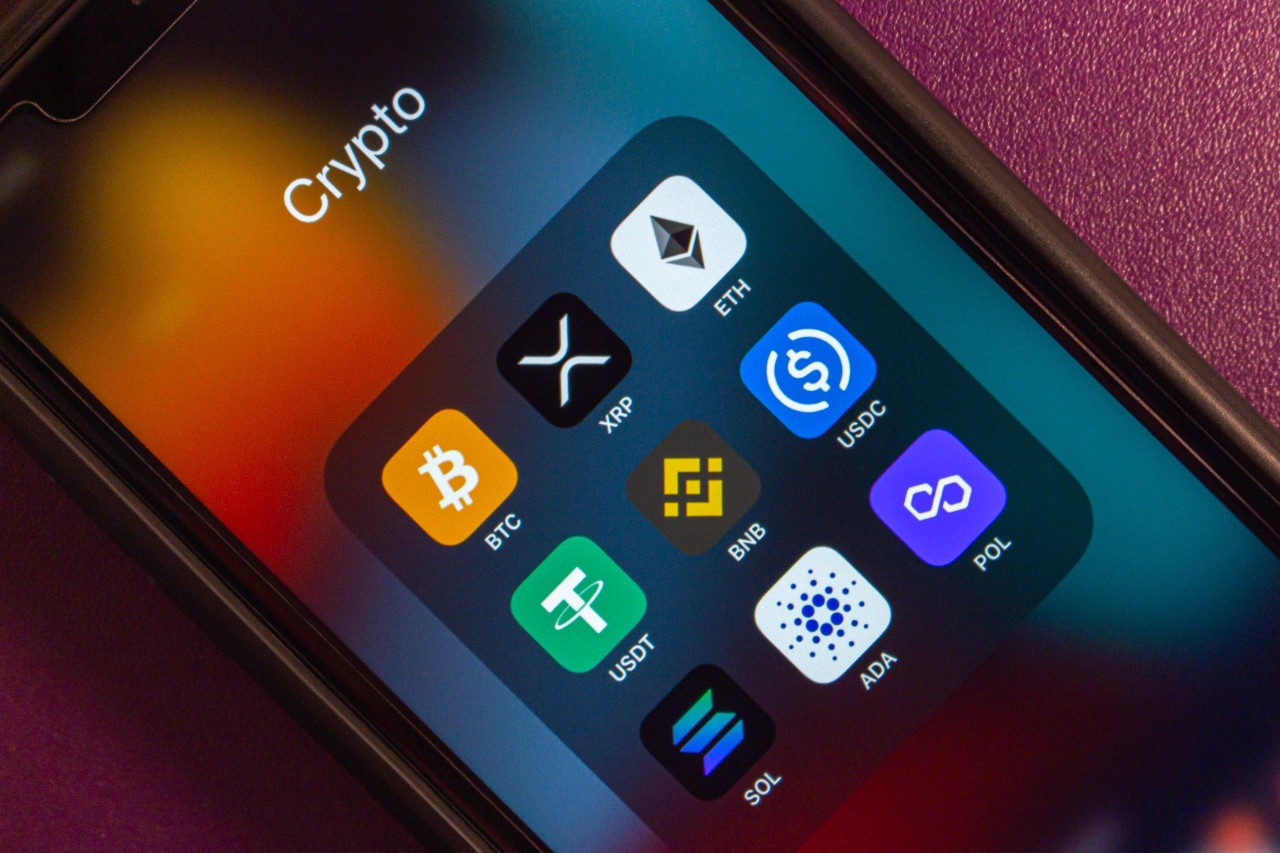
XRP, the digital asset associated with Ripple Labs, has seen significant price volatility, prompting market observers to evaluate whether the token will fall below the $1.00 support level. Market fluctuations remain tied to broader cryptocurrency trends, ongoing regulatory developments involving the U.S. Securities and Exchange Commission (SEC), and shifting investor sentiment regarding altcoin liquidity. As of late 2024, the asset’s valuation continues to react to both macroeconomic shifts and specific legal milestones that have defined its market trajectory for several years.
Dr. Olivia Bennett, Chief Editor of the Business section at World Today Journal, notes that while technical analysis provides a framework for monitoring these price levels, digital assets remain highly sensitive to external regulatory news. Investors often look to historical support and resistance zones to gauge potential movement, yet these indicators are frequently disrupted by sudden changes in federal oversight or institutional adoption rates.
The Regulatory Context and XRP Market Performance
The price of XRP has been intrinsically linked to the protracted legal battle between Ripple Labs and the SEC. In July 2023, U.S. District Judge Analisa Torres ruled that the programmatic sale of XRP to retail investors did not constitute the offering of investment contracts, providing a major legal victory for the company. According to official SEC filings and court records, the litigation centered on whether Ripple’s distribution of XRP violated federal securities laws. While the court found that institutional sales did violate these laws, the partial win sparked a surge in market confidence that helped propel the token’s price at various points throughout the following year.

Despite these legal clarifications, the path forward remains subject to appeals and ongoing regulatory scrutiny. Investors monitoring the $1.00 threshold should consider that cryptocurrency markets do not operate in a vacuum. Changes in the regulatory environment, such as the potential for new legislation or updates to existing frameworks, often trigger immediate, high-volume trading activity. Data from the Federal Reserve’s recent reports on digital assets highlights that the lack of a standardized global regulatory framework continues to contribute to the volatility seen in tokens like XRP.
Technical Indicators and Support Levels
When analysts discuss whether a token will fall below a specific psychological price point like $1.00, they typically reference historical trading volume and moving averages. A price drop below this level is often viewed by traders as a signal of a potential shift in momentum, either toward a deeper correction or a period of consolidation. However, technical analysis in the crypto sector is frequently challenged by “whale” activity—large-scale transactions by institutional holders that can move the market price independently of retail sentiment.
The current market environment is characterized by a focus on liquidity and exchange listings. As reported by major financial news outlets, liquidity remains a primary concern for institutional investors who require stability to execute large orders. If XRP fails to maintain support at the $1.00 mark, traders often look to the next established support levels, which are determined by previous peaks and troughs in the asset’s price history. These levels are not fixed; they are dynamic points that adjust as market participants recalibrate their risk profiles.
Factors Influencing Future Valuation
Several variables beyond legal rulings influence the price of XRP. These include:

- Macroeconomic Conditions: Interest rate decisions by central banks, such as the Bank of England or the U.S. Federal Reserve, directly impact the appetite for risk-on assets like digital currencies.
- Adoption of RippleNet: The actual utility of the Ripple network for cross-border payments remains a key long-term value driver. Increased usage by financial institutions for international settlements provides fundamental support for the asset.
- Market Correlation: XRP often tracks the movements of Bitcoin and Ethereum, the two largest cryptocurrencies by market capitalization. When these major assets experience downward pressure, altcoins typically follow suit.
According to data tracked by the Bank for International Settlements (BIS), the integration of distributed ledger technology into traditional finance is still in its nascent stages, meaning the long-term viability of XRP depends heavily on its continued adoption by banking partners rather than speculative trading alone.
Monitoring the Next Market Checkpoint
Market participants should continue to monitor official filings from the U.S. court system regarding the ongoing Ripple case, as any updates to the appellate process could influence investor behavior. Additionally, quarterly reports from Ripple Labs regarding their holdings and market operations provide the most accurate look at the company’s internal financial health. There are no scheduled government policy changes specifically targeting XRP at this time; however, the broader UK and international task forces on crypto-assets continue to meet to discuss regulatory standards that may eventually impact market access.
The movement of XRP remains a subject of intense interest for both retail traders and institutional analysts. As the market approaches key price thresholds, maintaining a focus on verifiable news and official documentation is essential for informed decision-making. We invite readers to share their analysis on these market trends in the comments section below.