The U.S. men’s national soccer team’s recent competitive results have reignited public discourse surrounding the intersection of professional sports and political commentary. Following high-profile matches, including recent tournament exits, social media platforms saw a surge in commentary directed at Donald Trump, who has engaged with the team’s public profile and player selection. This intersection of athletic performance and political figureheads reflects broader tensions regarding the role of public officials in national sports programs.
The scrutiny follows a period where Donald Trump took a vocal interest in the roster composition of the U.S. national team, specifically regarding the eligibility of dual-national players. While fans and pundits have analyzed the team’s tactical shortcomings on the pitch, the discourse on social media has increasingly focused on the political environment surrounding the sport. According to reports, critics have utilized the team’s recent losses to mock Donald Trump’s previous public interventions into the program’s operations.
The Intersection of Politics and Roster Management
The controversy surrounding the U.S. team’s roster is not entirely new. In previous cycles, Donald Trump had publicly commented on the recruitment of specific players, most notably regarding Folarin Balogun. Balogun, who was born in the United States and raised in England, ultimately chose to represent the United States internationally over England and Nigeria. Donald Trump’s public support for his inclusion in the squad became a flashpoint for debate regarding birthright citizenship and the politicization of international sports.
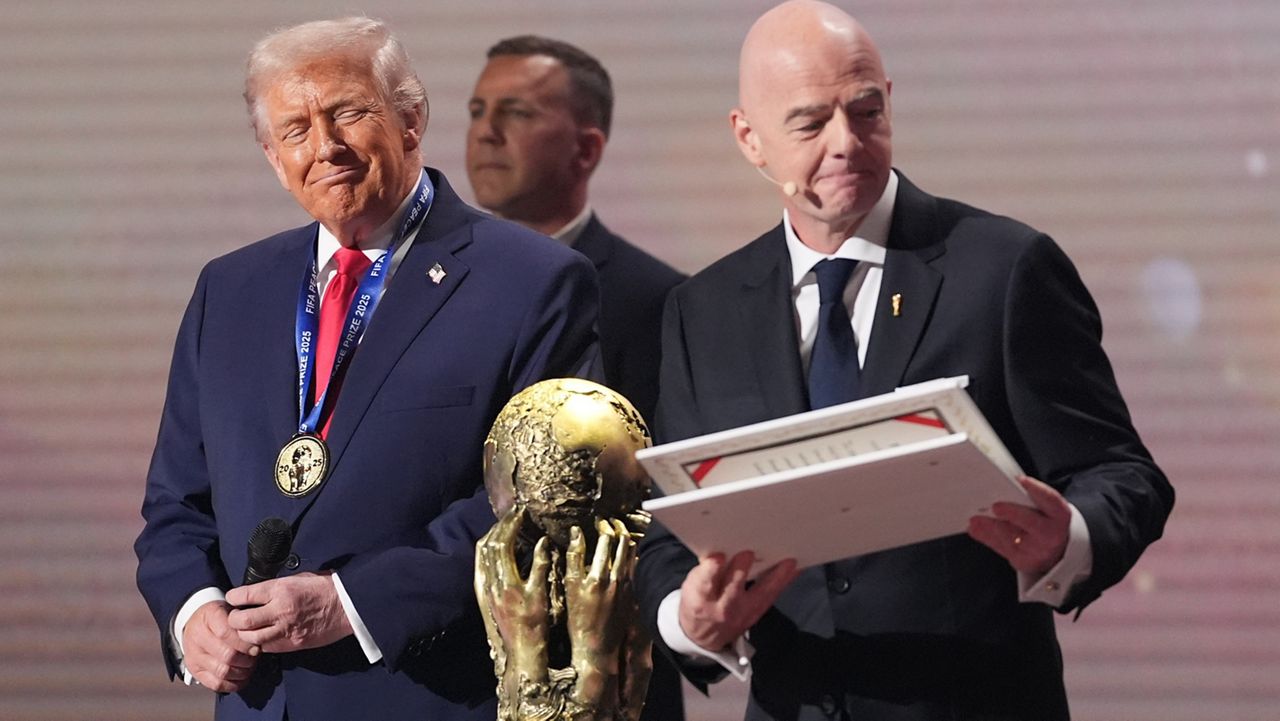
The White House has previously addressed inquiries regarding these political interventions, describing certain commentary on player eligibility and citizenship as an “asinine observation,” according to records from The Hill. This friction highlights a recurring challenge for international sports bodies: maintaining the autonomy of national team programs while operating in a climate where high-profile political figures seek to influence player selection and national identity narratives.
FIFA and the Global Governance of Soccer
Beyond the domestic political theater, the management of international soccer has faced systemic criticism from industry leaders. Javier Tebas, the president of La Liga, has been a vocal critic of what he terms the “complicit silence” surrounding FIFA’s governance and decision-making processes. As reported by the BBC, these criticisms often center on the perceived lack of transparency in how major tournaments, such as the upcoming 2026 World Cup, are organized and how political influence is mitigated within the sport.

The structural concerns raised by figures like Tebas suggest that the issues facing the U.S. national team—such as the tug-of-war over dual-national players—are part of a larger global trend. When national teams become proxies for political agendas, the integrity of the sport is frequently questioned by regulatory bodies and club presidents alike. The 2026 World Cup is expected to intensify these pressures as the global spotlight remains fixed on the North American soccer infrastructure.
Performance and Public Perception
On the field, the U.S. team has faced significant challenges, including recent tournament performances that failed to meet the expectations of fans and analysts. During high-stakes encounters, such as the match against Belgium, tactical decisions—including the substitution of players like Christian Pulisic—have drawn intense scrutiny. According to match coverage from Yahoo Sports, these on-field struggles often serve as a catalyst for the broader social media backlash, as supporters look to assign blame for the team’s failure to mount successful comebacks.
The disconnect between the team’s performance and the political commentary surrounding it has created a unique narrative environment. For many, the mocking of political figures like Donald Trump in the wake of a loss is a manifestation of fan frustration. However, for those within the sport, the focus remains on the developmental hurdles required to compete at the highest level of international competition. The upcoming international windows will serve as the next major checkpoint for the team as they look to reform their tactical approach ahead of the 2026 cycle.

As the U.S. men’s national team prepares for its next series of friendlies and qualifying matches, the focus will likely shift back to the pitch. The organization has not released further statements regarding the political discourse, choosing instead to emphasize the development of its player pool. Readers interested in the official progress of the team and upcoming match schedules can find updates through the U.S. Soccer Federation official portal. We invite our readers to share their thoughts on the balance between sports and politics in the comments section below.