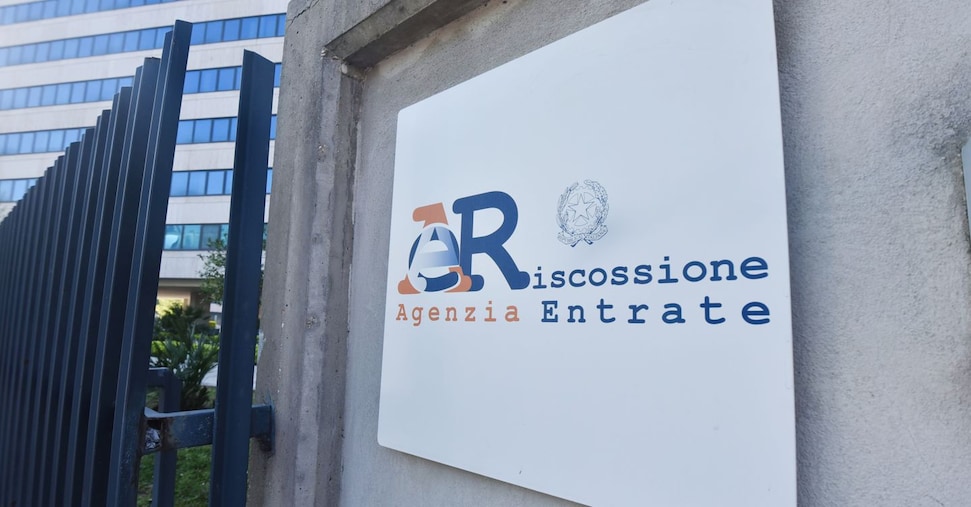
The Italian labor market has reached a significant milestone in the public collection sector, following the formalization of a renewed collective bargaining agreement (CCNL) for the industry. This development, which directly impacts the employees of Agenzia delle entrate-Riscossione and Equitalia Giustizia SpA, marks the conclusion of a prolonged negotiation process aimed at addressing inflationary pressures and modernizing working conditions for thousands of professionals.
As the business sector continues to navigate a complex macroeconomic environment, the agreement provides a clear framework for wage adjustments and operational efficiency. By securing a structured increase in salary minimums alongside a reduction in working hours, the labor unions and the relevant institutional bodies have sought to balance the purchasing power of the workforce with the evolving requirements of the tax collection service. For a comprehensive overview of the current Italian tax collection framework, readers can consult the official documentation provided by the Agenzia delle entrate-Riscossione.
Understanding the Economic Impact of the Agreement
The core of the recent negotiations centered on the necessity to align wages with the cost of living. The finalized agreement introduces a series of incremental increases to the minimum salary tables, distributed over a three-year contractual period. This approach is designed to provide financial stability to workers while ensuring that the fiscal impact remains manageable for the involved agencies. According to official disclosures regarding the agreement, the adjustments are intended to address the erosion of real income caused by recent inflationary trends in the Eurozone, a topic frequently analyzed by the European Central Bank in its periodic economic bulletins.
Beyond the primary salary adjustments, the contract introduces specific enhancements to professional allowances, particularly for staff engaged in front-office operations. By increasing these specific indemnities, the agreement acknowledges the increased complexity and public-facing nature of roles within the collection sector. These adjustments are not merely compensatory; they represent a strategic effort to retain specialized talent within the public administration and improve the quality of service provided to taxpayers.
Structural Changes to Working Hours and Productivity
A pivotal aspect of this renewal is the focus on the reduction of working hours, a trend increasingly observed in European professional sectors seeking to improve employee well-being without compromising service levels. The contractual changes reflect a shift toward a more flexible and efficient operational model. This reduction is expected to encourage a better work-life balance, which, according to research from organizations like the International Labour Organization, can contribute to higher levels of productivity and workplace satisfaction in high-pressure environments.
The implementation of these changes will be monitored closely by the signatory parties to ensure that service continuity is maintained. The agreement also includes provisions for the periodic review of contractual terms, ensuring that the framework remains responsive to future economic fluctuations. This mechanism of “tacit renewal,” unless cancelled within specific timeframes, provides a level of legal certainty that is essential for both the employer and the workforce.
Key Takeaways for Stakeholders
- Wage Growth: Incremental increases to minimum salary tables are scheduled across the three-year duration of the contract, providing a predictable path for income growth.
- Professional Allowances: Specific increases for front-office personnel and cash-handling staff recognize the distinct responsibilities of these roles.
- Operational Efficiency: The reduction in working hours is paired with organizational updates intended to streamline the tax collection process.
- Long-term Stability: The inclusion of clear renewal and cancellation clauses provides a stable legal environment for future labor relations within the sector.
Looking Ahead: The Path Toward Implementation
The successful conclusion of this negotiation underscores the importance of dialogue between labor unions and institutional employers. As the terms of the agreement are implemented, the focus will now shift toward the practical application of these new standards across the regional offices of the agencies involved. Workers are advised to monitor official internal bulletins for specific details regarding the retroactive application of salary adjustments and the timeline for the reduction of working hours.

For those tracking the broader implications for the Italian economy, the next stage will involve the monitoring of these wage trends against national productivity indices. As further updates become available from the relevant labor ministries or the participating trade unions, they will be reported here. We encourage our readers to share their perspectives on this development in the comments section below, as we continue to track how these changes influence the broader public sector landscape.
Related reading