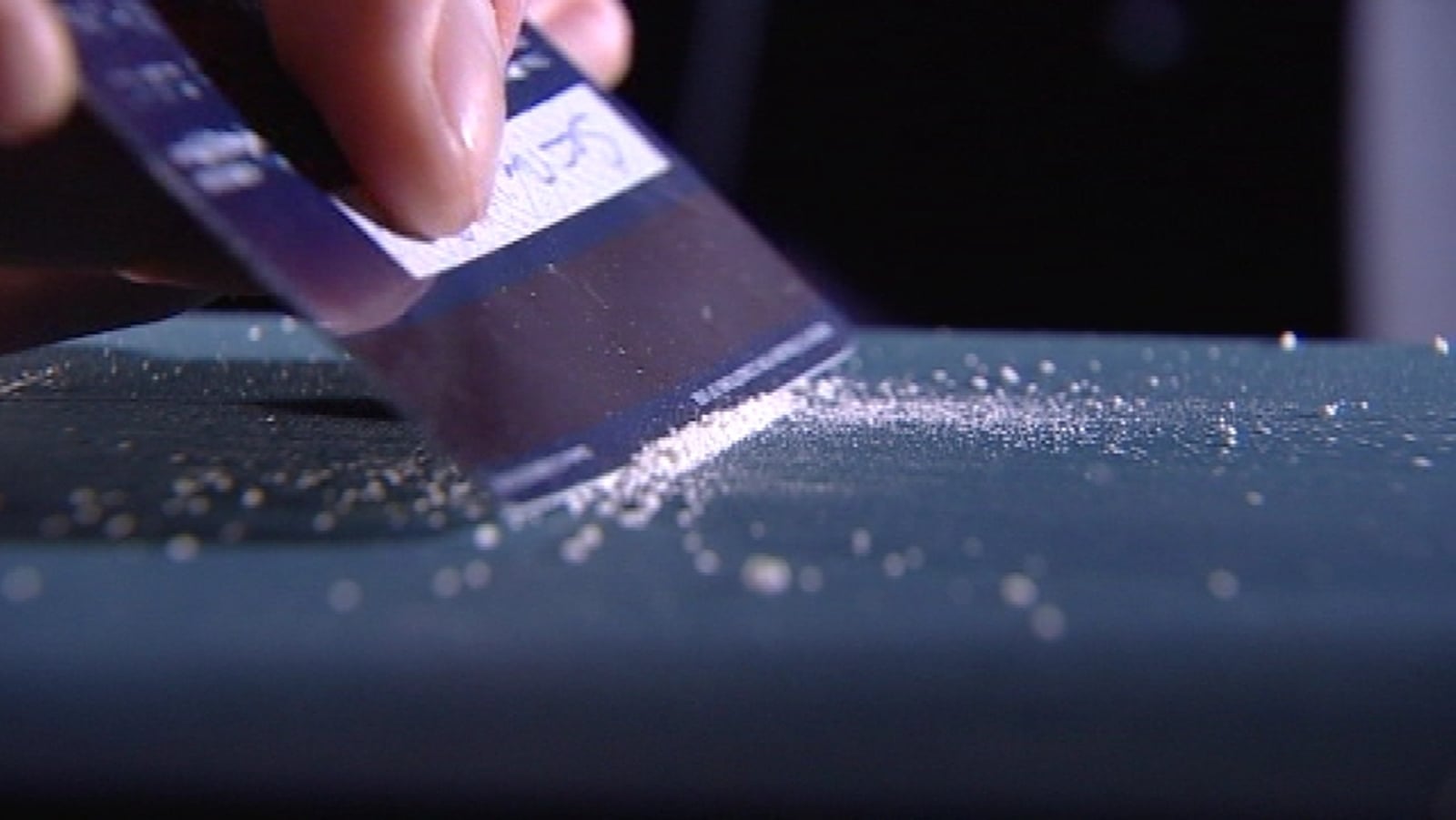
The landscape of public health in Ireland is facing a significant shift as new data highlights a marked increase in the demand for specialized support services. According to the latest findings from the Health Research Board (HRB), there has been a notable rise in treatment for cocaine and crack cocaine use across the country. This data, which reflects the evolving challenges in national substance use patterns, underscores the ongoing pressure on publicly funded healthcare infrastructure.
The HRB report for 2025 details that a total of 15,422 cases were treated for problem drug use during the calendar year. Among these, cocaine has maintained its status as the most frequently cited substance for treatment, excluding alcohol. These figures are critical for policymakers and health officials as they assess the scope of the current public health response to substance-related issues. The Health Research Board’s comprehensive review provides the primary statistical framework for understanding these trends.
Analyzing the Prevalence of Cocaine Treatment
The data indicates that cocaine accounts for 42% of all drug treatment cases documented by the HRB, representing a 24% increase compared to the previous year. This upward trajectory is particularly concerning to health authorities, as cocaine is identified as the primary problem drug for more than half of all individuals entering treatment for the first time. The surge in these figures suggests that the clinical demand for intervention is outpacing previous projections, necessitating a robust and sustained investment in public health resources.

Dr. Gráinne Gorman, Chief Executive of the HRB, noted that the report highlights the continued dominance of cocaine use within Irish society. She emphasized that the findings reflect an increased allocation of investment toward publicly funded drug treatment services. This expansion in funding is intended to ensure that services remain accessible to the growing number of individuals struggling with problem drug use. Detailed analysis from the HRB underscores that while the demand is high, the infrastructure is working to accommodate those in need of clinical support.
Emerging Trends and Demographic Shifts
Beyond the primary statistics regarding cocaine, the HRB report sheds light on broader shifts in substance use, noting an increase in treatment cases related to ketamine and new psychoactive substances. These findings serve as a reminder that the drug treatment sector must remain agile to address the introduction of various substances into the community.

A particularly sensitive finding in the 2025 report involves the use of nitrous oxide. While the total number of cases remains relatively minor, the demographic breakdown is striking: more than half of those who commenced treatment for nitrous oxide issues last year were aged 17 or under. This segment of the data highlights the importance of targeted preventative outreach for younger populations, a factor that will likely inform future public health advisory campaigns.
Understanding the Impact on Public Health Infrastructure
The fiscal and operational implications of these findings are substantial. As the business editor, I view these statistics not merely as health indicators, but as markers of the systemic demand placed on national service providers. The correlation between the rise in treatment cases and the necessity for “increased investment,” as cited by Dr. Gorman, points to a clear economic reality: the cost of managing substance use disorders is rising, requiring long-term budgetary commitments to maintain service continuity and quality.
For stakeholders in the healthcare and social services sectors, the HRB report serves as a baseline for resource allocation. The objective remains to balance the availability of treatment centers with the shifting patterns of consumption observed across different age groups and geographic regions. As the sector moves forward, the transparency provided by the HRB’s annual reporting cycle remains essential for ensuring that public funds are directed toward the most effective interventions.
Key Takeaways from the 2025 HRB Report
- Total cases treated for problem drug use in 2025 reached 15,422.
- Cocaine represents 42% of all treatment cases, marking a 24% rise from the previous year.
- Cocaine is the primary problem drug for over 50% of new treatment entrants.
- There is a notable increase in treatment for ketamine and new psychoactive substances.
- Over half of the patients seeking treatment for nitrous oxide use are aged 17 or under.
The Health Research Board continues to monitor these trends closely. The next official update is expected in the subsequent reporting cycle, where researchers will evaluate whether the current interventions have successfully stabilized the rise in treatment demand. As we observe these developments, the intersection of clinical treatment, public funding, and social policy will remain a critical area of focus for the year ahead. We invite our readers to share their perspectives on the importance of public health investment in the comments section below.
Keep reading
- US and European Markets Rise on Middle East Peace Hopes and AI Optimism
- MC Mong Accused of Threatening Baekhyun and Representative Cha Over Gambling Debts
- New Study Links GLP-1 Medications Like Wegovy and Ozempic to Health Risks (archyde.com)
- Policy Office Head Kim Yong-beom Reported Over Single-Stock Leverage ETF Directive (archynewsy.com)