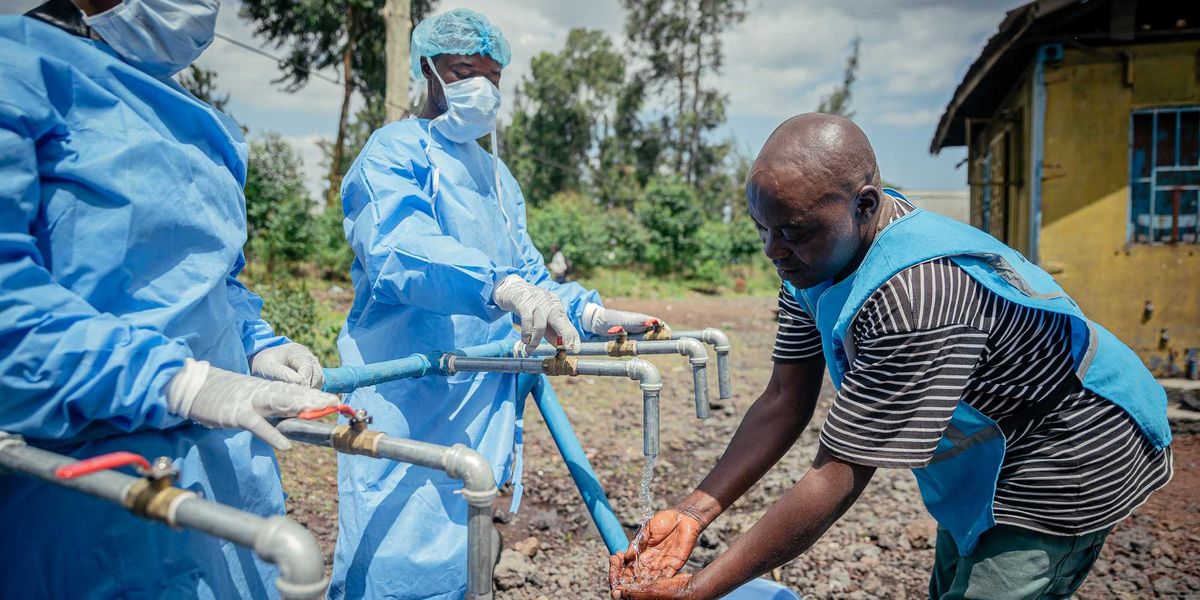
In recent months, the global discourse surrounding emerging infectious diseases has intensified, fueled by reports of sporadic outbreaks such as Ebola and hantavirus. As public health agencies and international bodies monitor these pathogens, a parallel narrative has emerged in some corners of the media, suggesting that the heightened focus on viral threats is primarily a mechanism to benefit the pharmaceutical industry. For those of us working at the intersection of clinical medicine and public health, it is essential to distinguish between legitimate pandemic preparedness and the commercial interests that inevitably surround medical innovation.
The global risk of future pandemics is a subject of rigorous scientific inquiry, not merely a product of industry marketing. When we discuss the potential for new outbreaks, we are addressing the complex interplay of ecological shifts, urbanization, and the increased interface between humans and zoonotic reservoirs. Understanding how we assess these risks—and who stands to benefit from our responses—is crucial for maintaining public trust in our healthcare systems.
The Science of Emerging Pathogens
To understand the current landscape of infectious disease, one must look at the data provided by the World Health Organization. Zoonotic diseases—infections that jump from animals to humans—account for a significant portion of all newly identified infectious diseases. Factors such as climate change, deforestation, and the global wildlife trade have accelerated the frequency with which these pathogens cross species barriers.
Ebola, for instance, remains a significant public health challenge in parts of Central and West Africa. According to the Centers for Disease Control and Prevention (CDC), outbreaks are often linked to direct contact with the blood or body fluids of infected animals or humans. Similarly, hantaviruses are transmitted primarily through contact with the excreta of infected rodents. These are not manufactured threats; they are biological realities that have existed for centuries. The difference today lies in our ability to detect them early and the unprecedented speed at which modern medicine can respond with diagnostics, therapeutics, and vaccines.
Navigating the Pharmaceutical Narrative
It is a matter of public record that the pharmaceutical industry plays a central role in the development of countermeasures for infectious diseases. When a new threat is identified, the race to develop a vaccine or antiviral often involves significant public-private partnerships. Critics argue that this creates a conflict of interest, where private entities may prioritize profit over global equity or long-term public health goals. As noted by the journal Nature, the tension between patent protections and the need for universal access to life-saving medicines remains one of the most significant hurdles in modern healthcare policy.
However, characterizing all alerts as “Big Pharma” maneuvers ignores the foundational work performed by independent researchers, academic laboratories, and non-governmental organizations. These groups are often the first to sound the alarm, motivated by epidemiological data rather than quarterly earnings. For example, the WHO R&D Blueprint is an explicit strategy designed to accelerate the development of tests, vaccines, and medicines for diseases that lack existing commercial incentives, precisely because the market alone often fails to address these critical needs.
Key Takeaways for Public Health
- Zoonotic Origins: Most emerging infectious diseases are zoonotic, meaning they originate in animal populations and transition to humans due to environmental and behavioral factors.
- Evidence-Based Surveillance: Global health alerts are based on real-time genomic sequencing and field surveillance, not corporate agendas.
- The Role of Innovation: While the pharmaceutical industry is a necessary partner in scaling up production, public oversight and government funding are essential to ensure that health priorities remain aligned with the public good.
- Critical Thinking: As information consumers, it is vital to check the source of health news and distinguish between verified epidemiological reports and speculative commentary.
The Path Forward
The challenge of global health security is to balance the need for rapid medical innovation with the necessity of transparent, equitable distribution. As we look toward the future, the focus must remain on strengthening healthcare infrastructure, particularly in regions most vulnerable to zoonotic spillover. This includes investing in community-based surveillance and training local healthcare workers who are on the front lines of every outbreak.
For those interested in tracking the latest verified information on infectious disease, I recommend consulting the official dashboards provided by the WHO Disease Outbreak News. These resources offer a transparent look at the data driving global policy, free from the noise of commercial or political speculation. By staying informed through reliable, peer-reviewed sources, we can better understand the true nature of the risks we face and the collaborative efforts required to mitigate them.
We invite our readers to join the conversation. How do you evaluate the reliability of health news in an era of rapid digital information? Please share your thoughts in the comments section below or join the discussion on our social media channels. Your engagement helps ensure that we continue to prioritize accuracy and scientific integrity in all our reporting.
Keep reading